
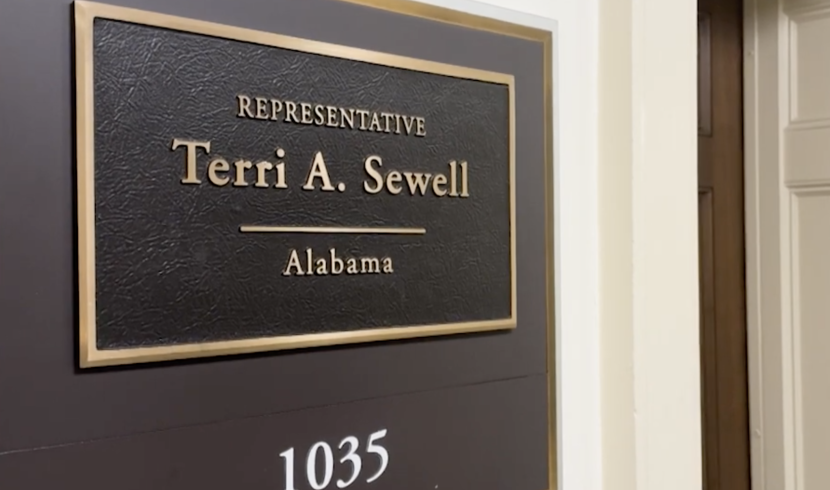
WASHINGTON – U.S. Rep. Terri Sewell, D-Birmingham, is spearheading legislation to improve access to multi-cancer early detection tests under Medicare.
The Nancy Gardner Sewell Medicare Multi-Cancer Early Detection Screening Coverage Act would allow the tests to be covered by Medicare upon approval by the Food and Drug Administration. It’s a bipartisan bill.
The Republican lead on the legislation, Rep. Jodey Arrington, R-TX, named the bill after Sewell’s mother who died from pancreatic cancer in 2021.
Sewell told Alabama Daily News cancer affects everyone and she said expanding access to technologies and therapies to screen for multiple forms of the disease is “something that will not only save lives, it would lower costs, encourage other innovation to come into that space.”
The cancer screening legislation passed out of the House Ways and Means Committee unanimously last Congress. It had strong bipartisan support with 319 House cosponsors. This year, the bill has 17 cosponsors so far, both Democrats and Republicans.
The MCED tests would complement the existing cancer screenings and lead to improved detection. Only five cancers are commonly screened and currently 14 percent of cancers are found through screening, according to Sewell’s press release.
Sewell said she’s ready to make the screening tests more accessible.
“Right now, these therapies and these screens are available through concierge doctors, and they cost upwards of $2,000 and because it is testing your blood at a particular moment in time, it’s only good at the moment they took your blood,” Sewell said.
The legislation would allow the Centers for Medicare and Medicaid Services to cover blood-based MCED tests and future ones approved by the FDA. It would maintain CMS’ authority to use evidence-based processes to determine coverage of the screening tests. It would not impact cost sharing or replace existing tests.
More than 500 organizations are supporting the legislation.
“By creating a pathway for Medicare coverage of innovative blood tests that detect cancers earlier, she is paving the way for a future where prevention and early detection save more families from heartbreak,” Jim Crandall, Founder of Laura Crandall Brown Foundation, said in a statement.