
WASHINGTON – A sweeping Russia sanctions bill now heads to President Donald Trump’s desk after the U.S. House passed the legislation Wednesday with bipartisan support.
Alabama House Republicans and U.S. Rep. Shomari Figures, D-Mobile, voted in favor of the bill named after the late Republican Sen. Lindsey Graham of South Carolina, who had pushed for the legislation for more than a year.
U.S. Rep. Terri Sewell, D-Birmingham, voted against the measure along with a majority of House Democrats, who argued the bill could give Trump too much tariff authority. Seven Republicans also opposed it. The vote was 262-159.
The measure will allow the Trump administration to impose tariffs on the largest purchasers of Russian oil — including China and India — with an exception for countries that buy small amounts of oil to ensure American allies aren’t targeted.
The Lindsey O. Graham Sanctioning Russia and Iran Act passed the U.S. Senate overwhelmingly last month, 86-11. U.S. Sen. Katie Britt, R-Ala., played a key role in shepherding the legislation through Congress.
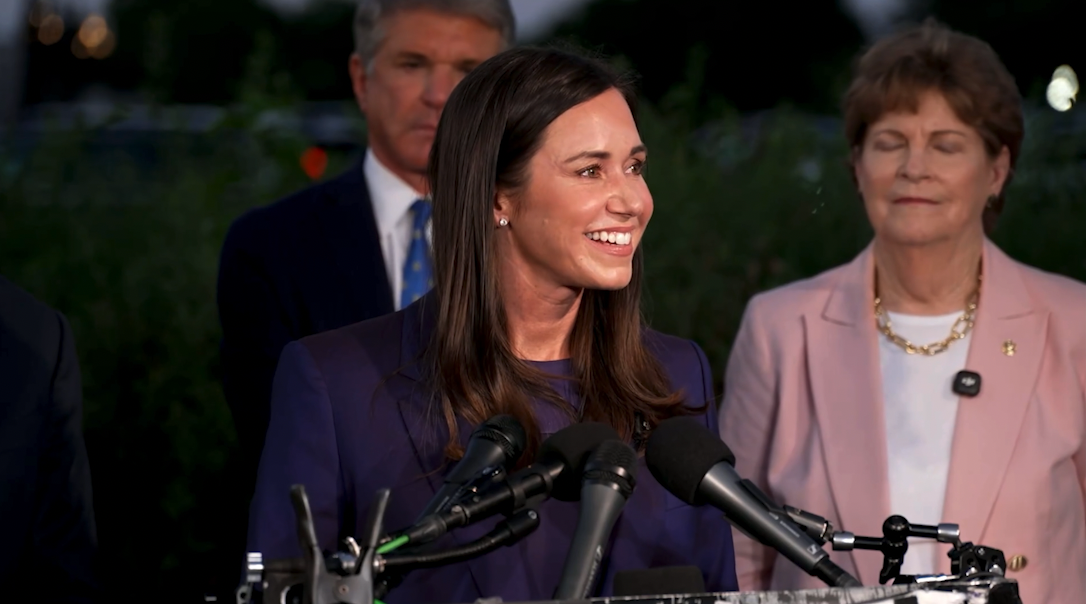
“There is nothing more rewarding here in Congress than actually delivering results, than actually doing something that will matter, and giving…President Trump the tools today, to end this senseless war, to hold Putin accountable for his aggression, to drive him to the table, and to actually make sure that there are consequences,” Britt said in a news conference after the vote.
Ukrainian President Volodymyr Zelenskyy has been pushing for the bill’s passage and visited with senators in July to urge support of the measure.
The bill will also sanction Russian officials, oligarchs, Russian banks, and its shadow fleet. It also extends sanctions on Iran.
“I think this will be a good tool for the president to use,” U.S. Rep. Robert Aderholt, R-Haleyville, told Alabama Daily News. “I’ve been very supportive of Ukraine and so I’m hopeful that might be something that can be useful (in) that respect.”
Figures was one of 58 Democrats, including Speaker Emerita Nancy Pelosi, to vote in favor of the sanctions bill.
“We considered both sides on it and went a little back and forth on it,” Figures told ADN. “But at the end of the day, I felt that it was very important to stand with the people of Ukraine. Russia has been overly aggressive in that region and that is something that has fueled higher fuel costs in this part of the country and around the world.”
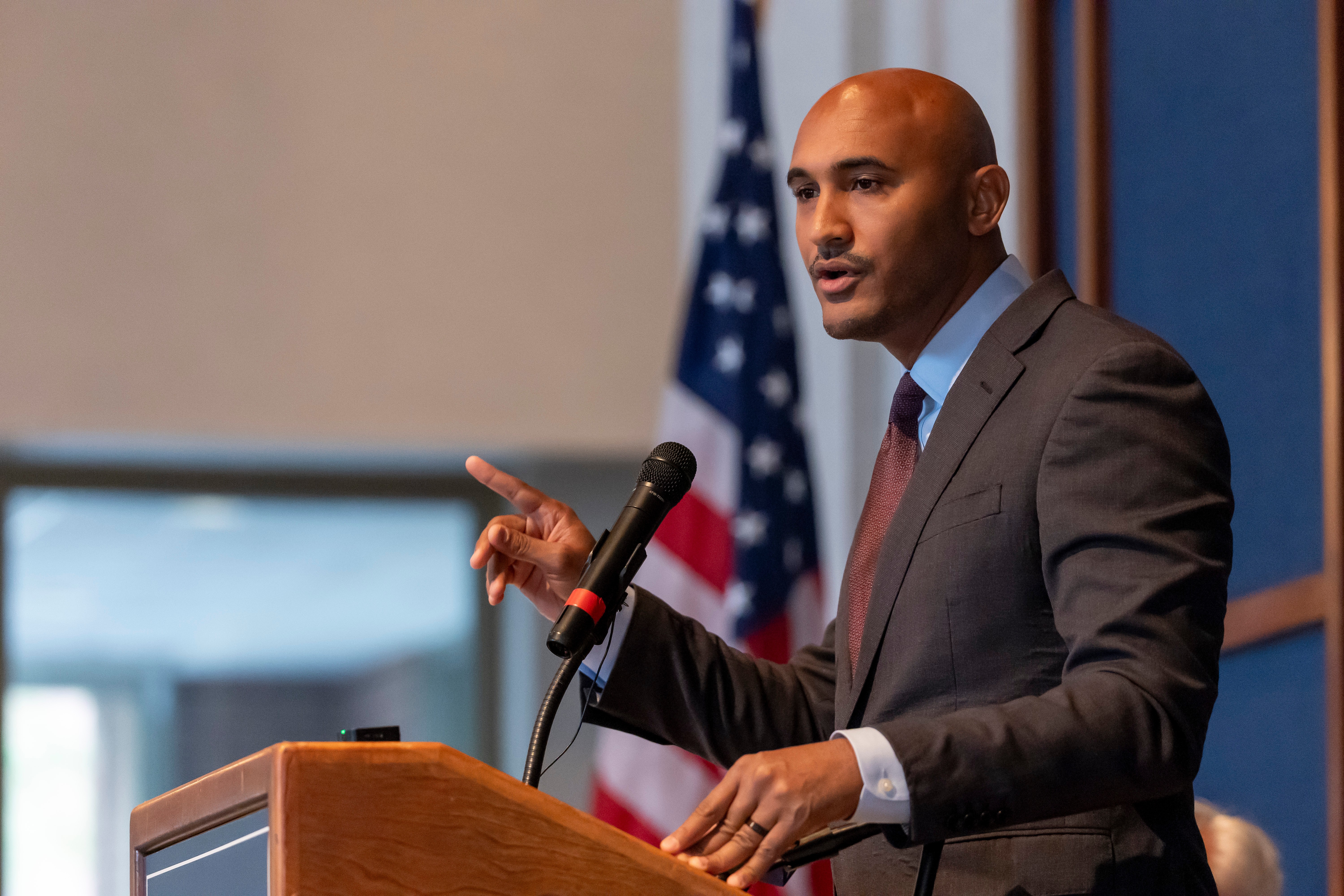
Sewell said she could not support a bill that would “deepen the affordability crisis for my constituents.”
“To be clear, I have been a steadfast supporter of Ukraine, but I have no faith that Donald Trump will use these new authorities to punish Russia when he has failed to use the sanctions power he currently has to hold Putin accountable,” Sewell said in a statement to ADN. “Moreover, this bill gives Trump sweeping new tariff powers to expand his reckless trade wars with our allies and raise prices for hard working American families.”
House Minority Leader Hakeem Jeffries, D-N.Y., used his floor time during debate on Figures’ bill to rename a post office after the Tuskegee Airmen to explain his opposition to the Russia sanctions bill.
Jeffries tied the service of the Tuskegee Airmen during World War II as part of the efforts to stop fascism and tyranny with the need to do that against Russian President Vladimir Putin to end the invasion of Ukraine.
But he argued the sanctions legislation is not the right avenue while still acknowledging that he stood with the Ukrainian people.
“Why in the world would this Congress or the people’s house give this president unfettered authority to visit more tariffs on the world that will have an adverse economic impact on the American people? I can’t do it,” Jeffries said on the House floor.
But Britt pushed back on those concerns.
“This was very narrowly tailored. This was strategic,” Britt told ADN. “So the real question for Democrats is this: Do you hate Donald Trump more than you actually want to save the Ukrainian people?”
Shortly before Graham died in July after visiting Kyiv, the late senator announced a breakthrough with the president in securing his support of the bill. Lawmakers quickly rallied around the legislation to honor the life of the bill’s fiercest champion.