
WASHINGTON — President Donald Trump’s One Big, Beautiful Bill Act has reached the Senate, where it faces challenges from fiscal hawks and moderates, and is even facing backlash from Elon Musk.
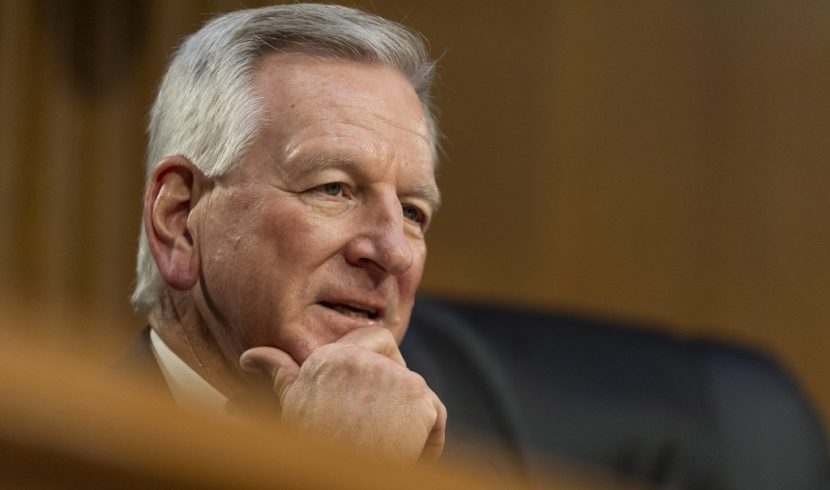
U.S. Sen. Tommy Tuberville, R-Ala., said he’s a “maybe” on the tax cut legislation as of Tuesday. He said he wants to see what changes are made in the next few weeks in the Senate before making his final decision. The legislation will extend Trump’s tax cuts and slash billions from Medicaid and food assistance
“There’s going to be a lot of changes to it,” Tuberville told Alabama Daily News. “So if they change something I don’t like, I can’t tell you, I’m gonna vote for it, and then all of a sudden I am or I am not, you know?”
Tuberville said he’s not a fan of the state and local tax deduction, known as SALT, because it wouldn’t help Alabama. The SALT deduction is a priority for House Republicans in high-tax blue states. However, he said that provision wasn’t a “deal killer” for him. Tuberville also said he remains confident the bill will pass.
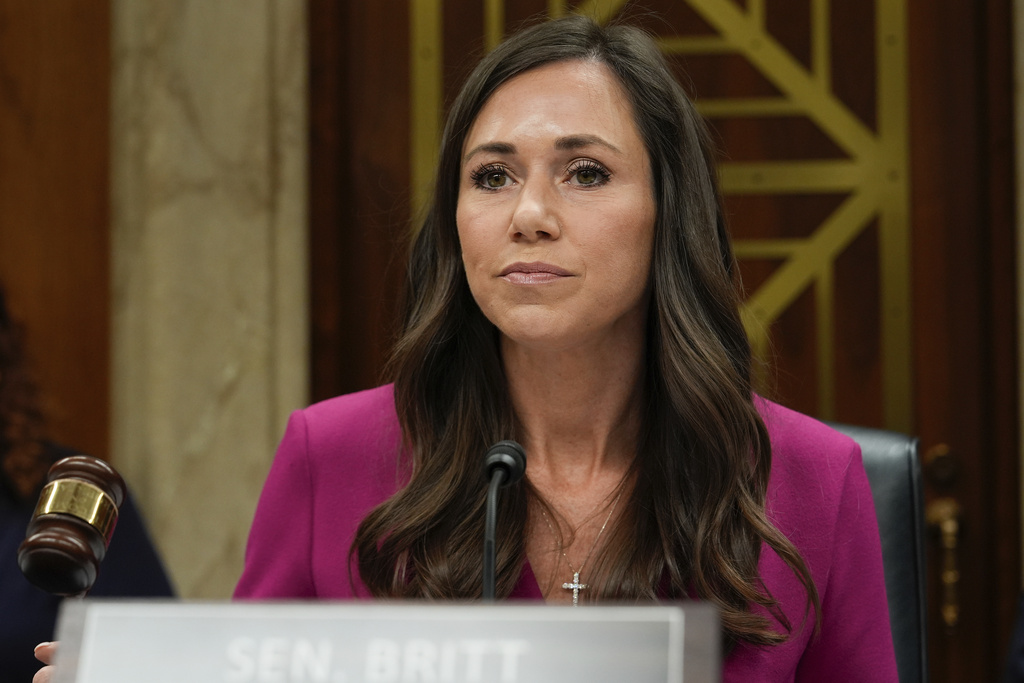
Sen. Katie Britt, R-Ala., has been supportive of the budget bill, arguing for its provisions to extend tax cuts for Americans.
“We also understand that we have to deliver results on what President Trump promised on the campaign trail and what the American voters said they wanted on November 5, so I think we’re all committed to working together to improve the bill and make sure we get it done,” Britt told ADN.
She’s also advocating for tax breaks in the legislation focused on families and child care.
“I would love to see us increase the work that we’re doing in the bill for hardworking Americans, for parents and can think of no better way to do that than actually address the affoardbaility portion of child care so we’ll continue to work… and I’m hopeful the Senate will do even more than the House did,” Britt said.
Republican lawmakers are trying to get the sweeping legislation to Trump’s desk by July 4, but plenty of hurdles remain during the next month. If the Senate makes any changes to the bill, it will have to be sent back to the House for a vote where Republicans have a razor-thin majority.
Fiscal hawks like Sen. Ron Johnson, R-WI, are concerned the bill doesn’t include enough cuts to offset the country’s growing debt. The legislation could add $3.8 trillion to the federal deficit by 2034, according to the Congressional Budget Office analysis of the bill before the House made last-minute changes to it. The White House has disputed CBO’s analysis saying extending current tax policy doesn’t add to the deficit.
“Everybody in our conference wants to bend the deficit curve down,” Johnson told reporters. “That’s my latest charge… no matter what they say about this House bill it does not bend the deficit curve down.”
Elon Musk, who recently left his post overseeing the Department of Government Efficiency, posted on X Tuesday, calling the legislation an “outrageous, pork-filled Congressional spending bill” that’s an “abomination.”
“We have a difference of opinion,” Senate Majority Leader John Thune told reporters in response to Musk’s post. “He’s entitled to that opinion. We’re going to proceed full speed ahead.”
Other problems also plague the bill in the Senate, including concerns over Medicaid cuts. Republican Sen. Josh Hawley of Missouri wants to ensure the Medicaid cuts don’t harm beneficiaries and rural hospitals.
Hawley posted on X that Trump told him in a phone call there will be “NO MEDICAID BENEFIT CUTS.” Republicans insist the cuts only target waste, fraud, and abuse. However, Democrats and advocates argue that any cuts will be harmful for those who rely on Medicaid.
“The bottom line about this bill, this big, ugly bill, is that Alabama can’t afford it,” Debbie Smith, campaign director for Alabama Arise’s Cover Alabama, told Alabama Daily News last week.
“The House-passed bill would cost Alabama $619 million in federal funding to expand Medicaid in the future. It would strip coverage from over 170,000 Alabamians, people who currently get their coverage through Medicaid and the Health Insurance Marketplace.”
The current bill would slash billions from the Supplemental Nutrition Assistance Program and partially shift the costs of the program to the states.
Tuberville said SNAP was a “concern,” but said farmers also need more assistance. The legislation includes some farm bill provisions, including an increase in reference prices. Tuberville said cutting “fraud” from SNAP will allow those farm bill provisions to stay in place under the bill.
“Farmers can’t survive with the reference prices and numbers they are (now) because they haven’t changed since 2012, so we’ve got to have more money for reference prices,” Tuberville told ADN.
“I don’t want to hurt people, but we got to make sure that we do the right thing with Medicare, Medicaid, Social Security, and SNAP.”
This story has been updated with comments from Sen. Katie Britt.