
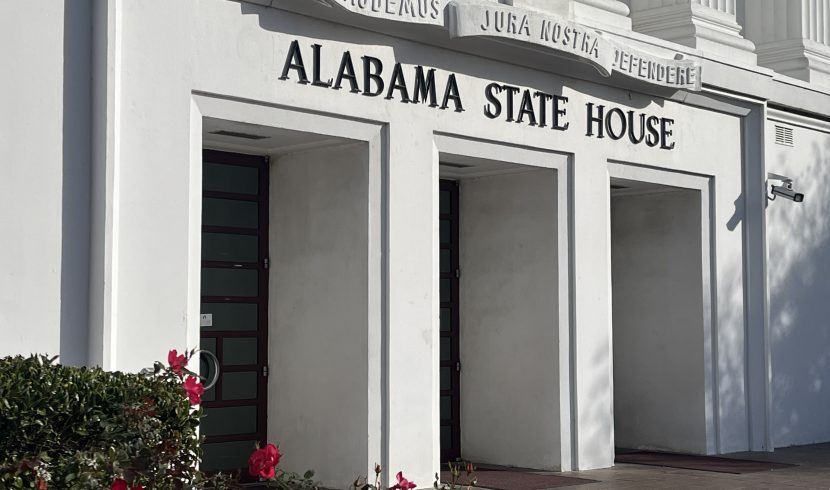
MONTGOMERY, Ala. – The House of Representatives passed a bill to deduct taxes on some of Alabamians’ overtime wages on Tuesday.
House Bill 527, sponsored by House Majority Whip Rep. James Lomax, R-Huntsville, would establish an individual income tax deduction of up to $1,000 on Alabamians’ overtime pay per year.
Lomax estimated during a committee meeting earlier this month that the bill could impact around 800,000 Alabamians.
“This is sustainable legislation and provides relief for the employees that need it,” Lomax said when introducing the bill on the floor.
A floor amendment from Rep. Mike Shaw, R-Hoover, also added a sales tax holiday on groceries to the bill. That holiday will run from May 1 to June 30.
With the amendment, the estimated cost of the bill increased to $83.4 million, more than doubling the original estimate of $37.4 million per year from the fiscal note. Income taxes paid in the state benefit the Education Trust Fund, which supports K-12 and higher education.
Shaw said he discussed the bill with Education Trust Fund Budget Chair Rep. Danny Garrett, R-Trussville. He said the two determined the ETF could absorb the revenue reduction.
“Lowering taxes is always something I think we should be moving toward if we have any opportunity, but what I keep hearing about is grocery tax…” Shaw said on the floor. “My hope is that this will lead to some good discussion in the offseason and maybe we can jump right back into it next year.”
Democrats brought up in discussion that they have tried to remove the grocery sales tax this session to no avail.
Rep. Patrice McClammy, D-Montgomery, filed House Bill 336 to exempt food from sales and use taxes in late January. That bill never made it to committee.
“This is not your bill, this is not your cause,” McClammy said. “It was ours.”
The amendment passed by a vote of 102-0.
Lomax said this overtime deduction is different from previous law because it sets a $1,000 cap and mirrors federal legislation.
The state first adopted an overtime tax cut, carried by House Minority Leader Anthony Daniels, D-Huntsville, in 2023. Initial estimates said the cut would cost the state about $34 million in lost revenue annually, but the final cost for the cut’s 18-month existence ballooned to over $400 million.
That law expired in June of 2025, and despite bipartisan support, the House never put Daniels’ proposed permanent extension to a vote. Republican leadership instead prioritized a four-bill package of tax cuts sponsored by Garrett.
That package reduced the state sales tax on groceries from 3% to 2%, granted the authority to local municipalities to lower their own sales tax on groceries, doubled tax exemptions for seniors drawing from retirement and increased tax-exempt income for lower- and middle-income earners.
Daniels questioned on the floor why Lomax’s bill is a tax deduction instead of a cut. He also pushed back on the notion that the previous bill included no limits.
“I resent the statements that there were no guardrails because our intel told us that this would be the fiscal note, but I heard this addressed and I’m not going to let this go another minute,” Daniels said. “I’m going to address this because when we thought we had the guardrails on it, that it would only be about $40 million so we used the best information that we had at the time that we had.”
Rep. Marilyn Lands, D-Huntsville, also introduced two amendments during debate to raise the ceiling on eligible overtime income to $5,000 and later $2,500.
Lomax moved to table both amendments. They both failed.
People could claim the deduction on overtime pay between Jan. 1, 2026 and Dec. 31, 2028.
The bill passed by a vote of 100-0. It now heads to the Senate with five days remaining in the legislative session.