
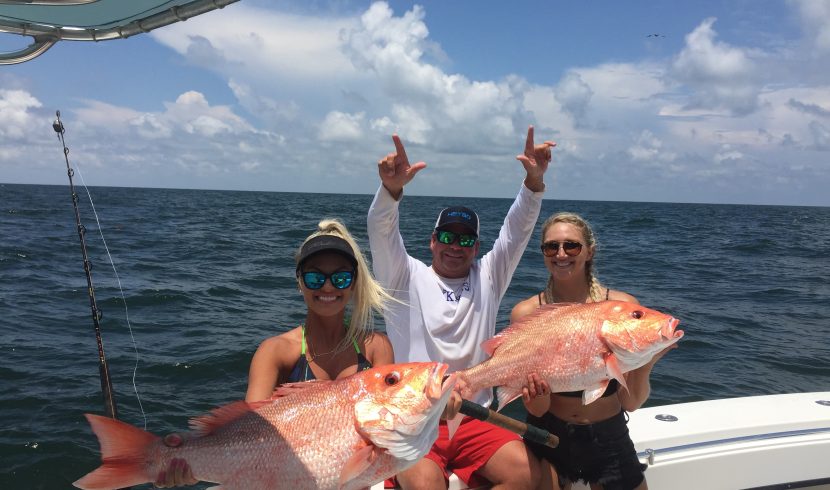
The 2026 Alabama red snapper season opens at 12:01 a.m. May 22. The season will remain open seven days a week until anglers catch the allocated quota of 664,522 pounds or the year ends.
“No hurricane hit us last year, so we had a good season in 2025,” recalled Kevin Anson, the director of the Alabama Marine Resources Division. “We finished the season with about 630,000 pounds, short of the 664,522-pound allocation. We just ran out of time when the year ended. Anglers caught a little bit more fish than the previous year.”
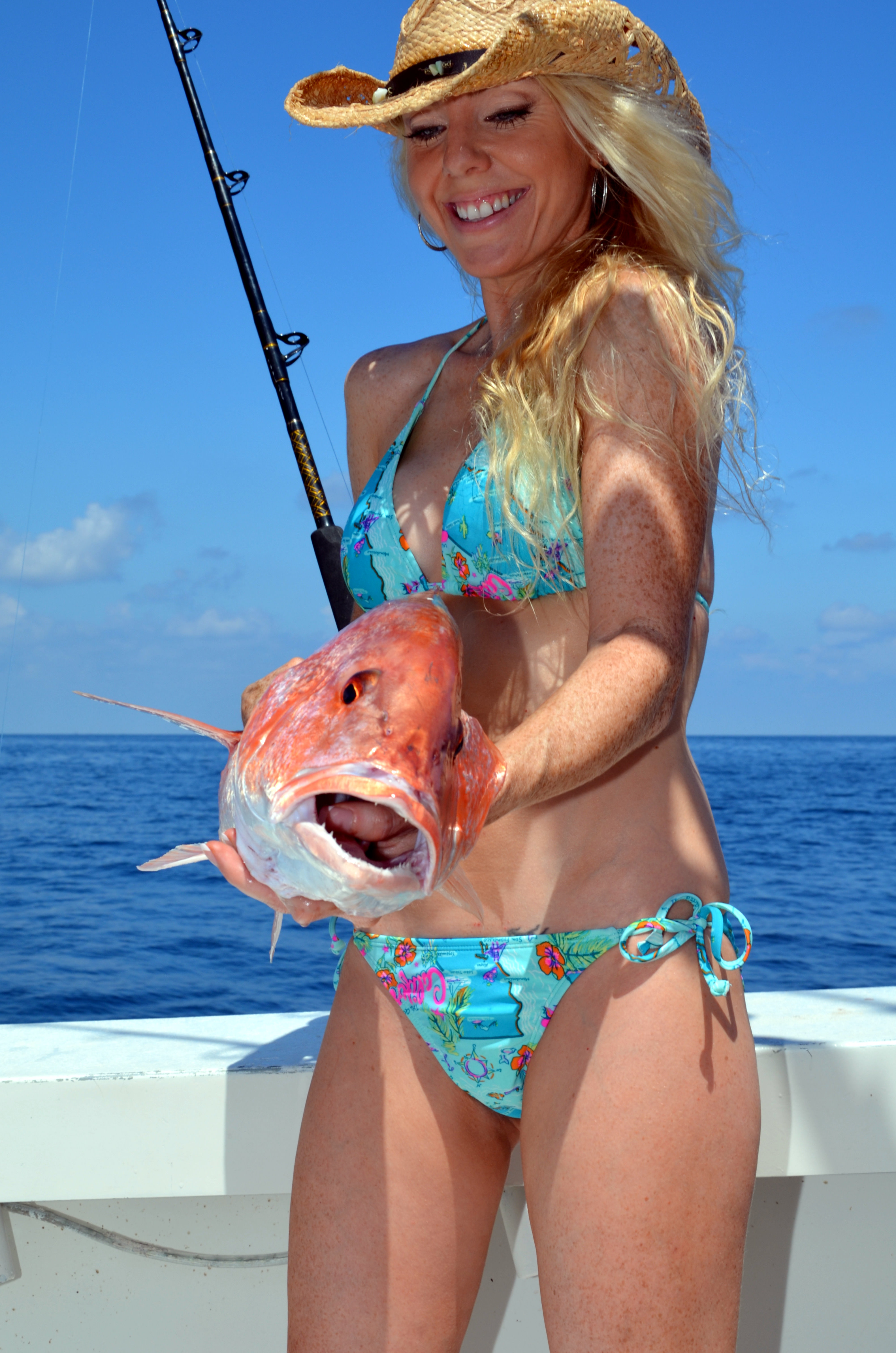
Each person can keep up to two red snapper per day throughout the entire season. Each red snapper must measure a minimum of 16 inches in total length.
“The stock should be in pretty good shape,” Anson said. “We hired Dr. Sean Powers from the University of South Alabama to conducted a survey for us with his researchers. In recent years, the numbers of fish have risen, but the average size of fish has gone down.”
Anson theorized that during a longer season, many anglers keep more smaller fish. During a short season, they hold out for the biggest snapper they can catch. Therefore, studies show that fish brought in tended to run smaller, but people caught more of them. That doesn’t mean people can’t still catch giant snapper. Melvin Dunn, Jr. holds the Alabama red snapper record at 44.75 pounds.
“We still have a lot of big snapper out in the Gulf,” Anson said. “The stock has now been fished to a level where people can still catch a 20-pound-plus red snapper on occasion.”
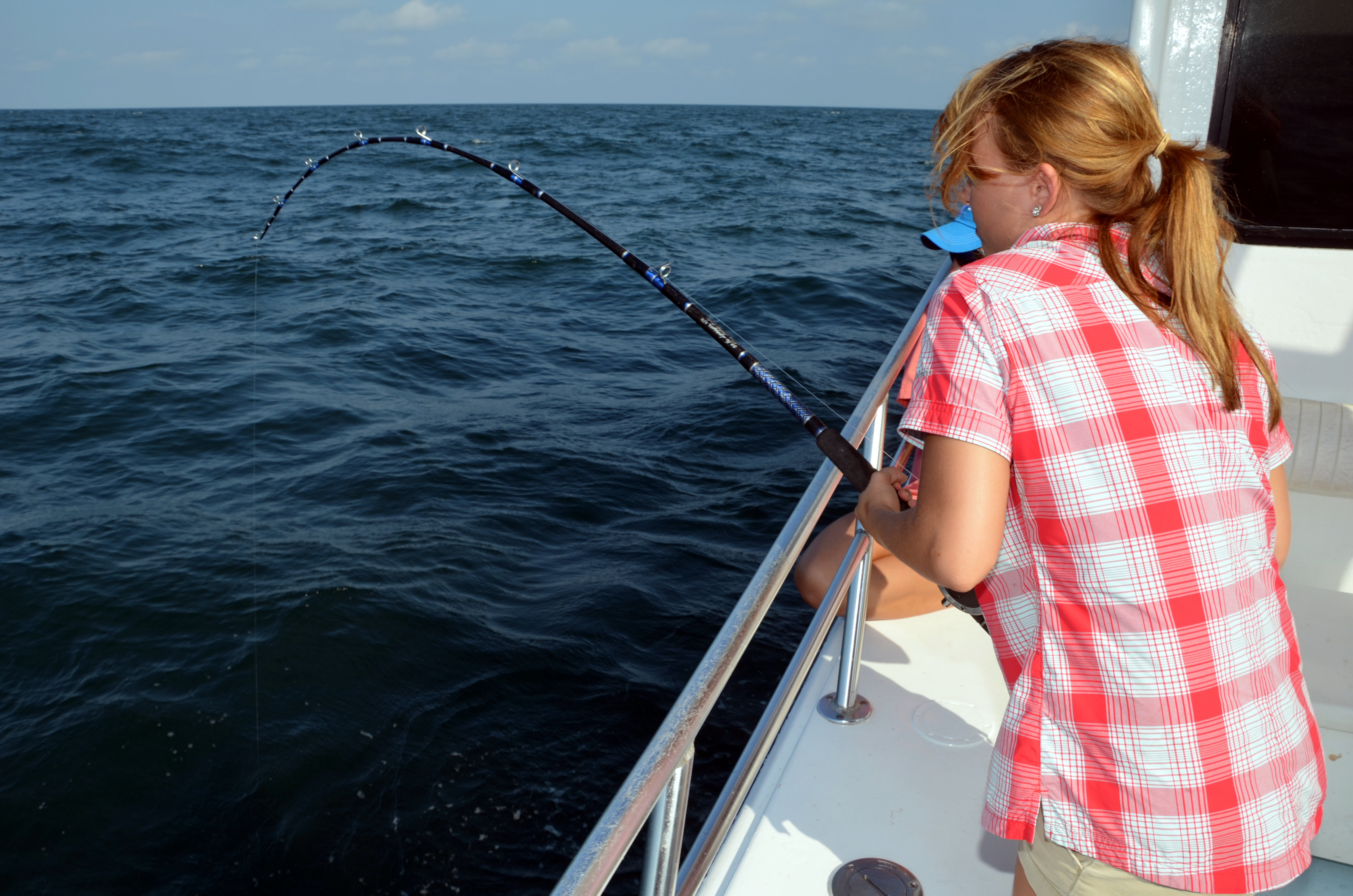
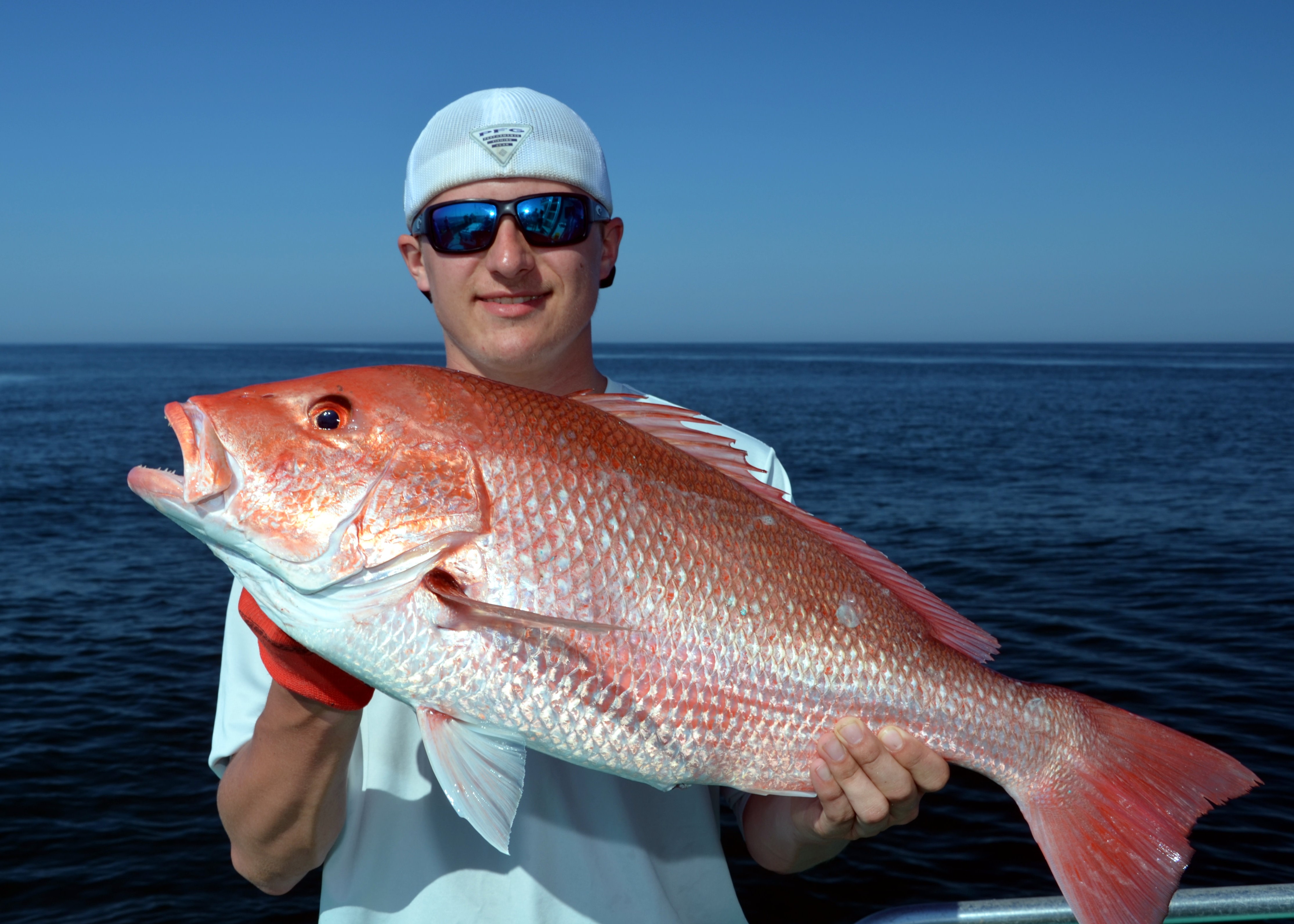
Most people fish the extensive reefs and petroleum platforms for snapper. Alabama began an intensive artificial reef building program in the 1980s. Now, the Gulf state with the smallest coastline manages one of the largest artificial reef systems in the nation.
“We have an extensive reef system off Alabama,” Anson advised. “The state deployed thousands of reefs over the years. In addition, private reef builders created more thousands. Those reefs form the backbone of our snapper fishery off the Alabama coast, making Alabama a premier destination for red snapper fishing.”
To catch the biggest snapper, anglers might need to fish elsewhere or try something different. Snapper can live more than 50 years. To reach about 20 pounds, it normally takes about 10 to 12 years for red snapper to reach 20 pounds, but others might take 20 years.
Fearing becoming someone’s dinner, smaller red snapper habitually keep close to reefs for the first seven to nine years of their lives so they can find cover to escape from numerous predators. As red snapper grow, they change their behavior. They might move off the reefs to hunt in open water or go to other reefs.
“How fish interact with the reefs changes over their lifespan,” Anson explained. “As snapper grow, they start to drift a little bit farther away from each reef. When they get about 15 to 20 years old, red snapper infrequently visit reefs. Older snapper spend much their time out in open water where few people fish for them. Off Alabama, snapper seem to grow faster compared to other areas in the Gulf.”
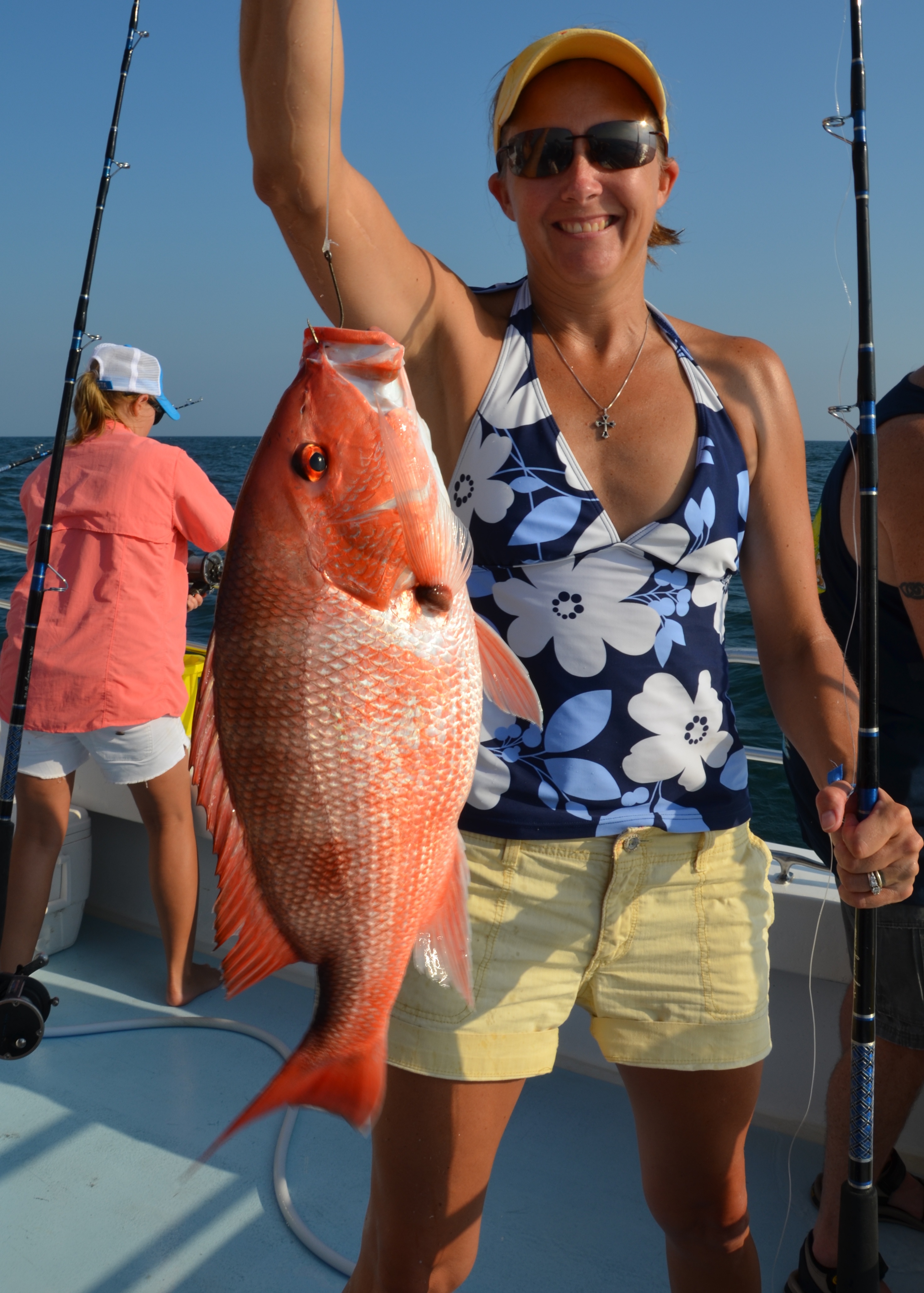
People who fish closer to shore customarily catch smaller snapper. Anglers might catch undersized snapper in Mobile Bay. Generally, red snapper start moving farther offshore about the time they reach legal size.
To catch a 16-inch snapper, anglers should go at least six to seven miles from shore. The state established some reefs six to nine miles from shore, but those reefs get hammered hard, especially early in the season. Larger, more established reef zones from about 13 to 70 miles out typically to produce bigger fish.
Anglers can catch other snapper species with more liberal regulations. Probably the second most common snapper off Alabama after red snapper, vermilion snapper look very similar to small red snapper. Also called beeliners, vermilions average less than one pound and rarely top five pounds.
Vermilion snapper often stay around the same reefs as red snapper, but usually within 20 miles of shore. For vermilions, use smaller hooks and baits. Beeliners can provide incredible action on light tackle.
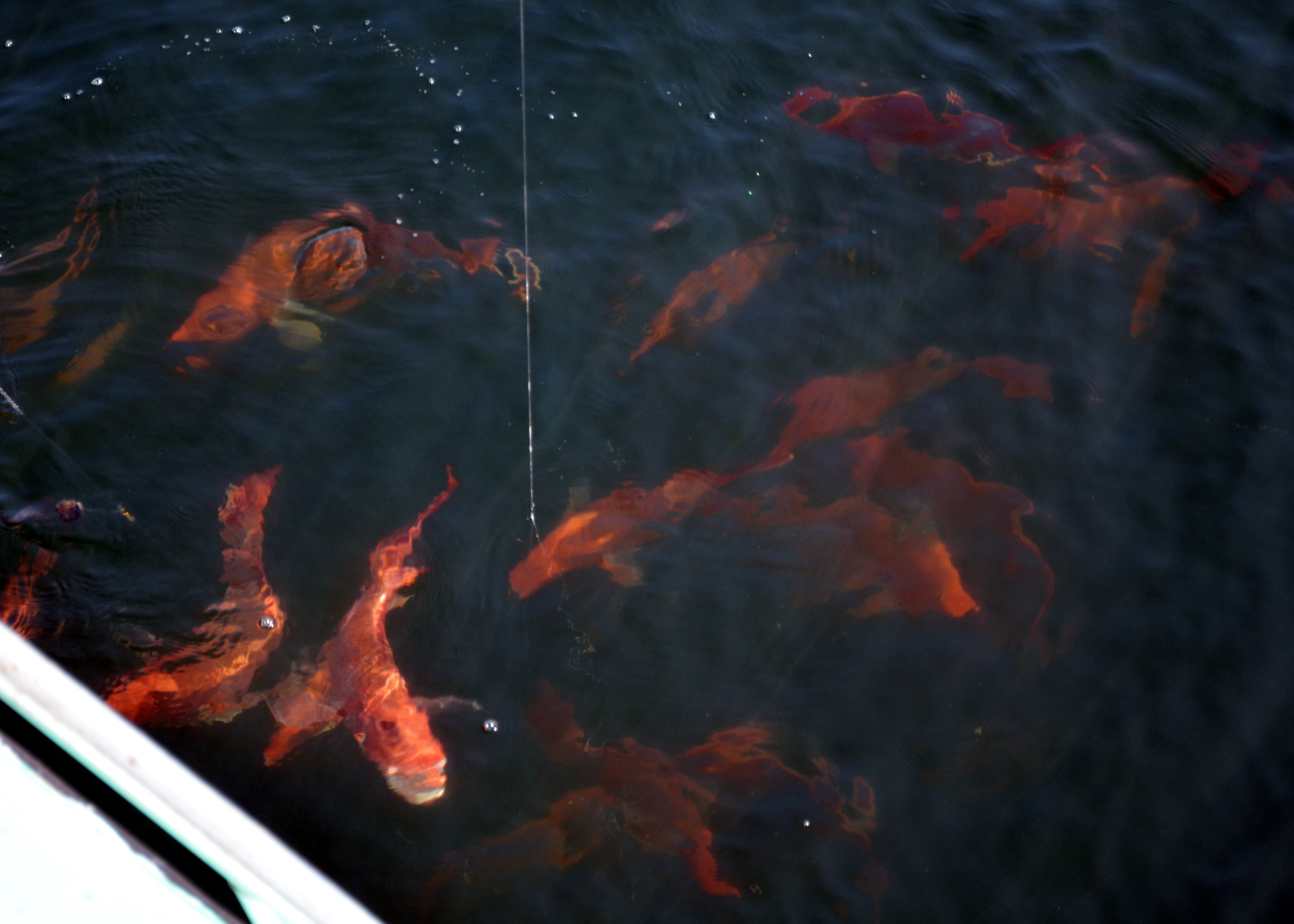
“We don’t have any problem catching a limit of red snapper,” remarked Kurt Tillman, (251-288-1003, https://app.fishingchaos.com/charter/captain-kurt-charters) who runs out of Dauphin Island. “After we catch our red snapper limit, we might go to another spot and fish with smaller squid pieces to try for vermilion snapper or something else.”
Also called gray snapper, mangrove snapper look grayish green with a reddish tint ranging from copper to brick red. Mangroves rarely top 10 pounds, but the state record weighed 18 pounds. They come closer to shore. Anglers might catch mangroves around nearshore platforms or reefs or even outside Perdido Pass or Mobile Bay.
Notorious bait stealers, mangroves occasionally hit flies, spoons, soft plastics and other lures, but prefer live bait. They relish small croakers, mullets and pogies. Many anglers chum them to the surface and flip baits to them.
“Mangrove snapper populations have also been increasing off Alabama,” Anson observed. “Mangrove snapper spend a good portion of their early lifecycle to close shore. People catch them off the piers and around the jetties. In recent years, we’ve seen more lane snapper caught off Alabama.”
Another small species, lane snapper seldom grow to more than 18 inches long, but the state record weighed 8 pounds, one ounce. Also called candy snapper, these delicious diminutive fish appear bright rosy red with broken horizontal yellow stripes on their sides.
Depending upon the depth and location, anglers dropping baits to the bottom might also catch amberjack, spadefish, triggerfish or various grouper species. While bottom fishing, drop a free line sweetened with live bait to tempt cobia, king mackerel or giant snapper. As the summer progresses, people farther offshore might catch more pelagic species, such as mahi, wahoo and sailfish.
Seasons, daily limits and other regulations vary by species so always check the regulations before keeping anything. See www.outdooralabama.com/fishing/saltwater-fishing.
**********
An avid sportsman, Felsher is professional writer, photographer and radio show host who has written thousands of articles for many publications. He’s always looking for ideas or outdoors adventures that will make good stories. Contact Felsh at [email protected] or through Facebook. He also hosts an outdoors tips show for WAVH FM Talk 106.5 radio station in Mobile.