
WASHINGTON — One in seven Alabamians rely on the Supplemental Nutrition Assistance Program to help put food on their table, but for some, those benefits could be at risk now that President Donald Trump’s massive tax breaks and spending cuts package is law.
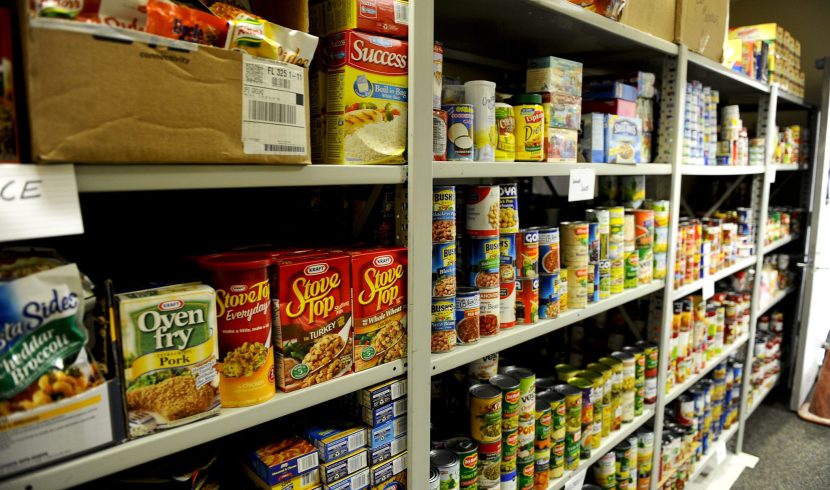
Individuals and families who receive those SNAP benefits are expected to turn to food banks to offset potential losses, driving up demand at places like the Community Food Bank of Central Alabama, where CEO Nicole Williams said food insecurity has already risen every year since the pandemic.
”The future is difficult for food banks,” she told Alabama Daily News. “Looking at what’s coming, are there going to be more people? 100% there’s going to be more people.”
The bill expands work requirements, which could potentially start as early as this year, for able-bodied adults without dependents to age 64. It currently only applies to people between the ages of 18 and 54. The requirements would also extend to parents of children 14 and up, veterans and young adults aging out of the foster care system.
Community Food Bank of Central Alabama, which serves 12 counties in central Alabama, gave out about 21 million meals last year. But the area’s meal gap, which measures the number of meals food-insecure households are missing, sits at 46.8 million meals, according to the food bank. Feeding America calculates that number using the number of food-insecure people in the area, the average cost of food each week to feed a household, and how often households face food insecurity each year.
“We’re not even halfway there in terms of meeting the need and the people that need the charitable food system,” Williams told ADN.
About 61,000 Alabamians could lose at least some SNAP benefits under the bill, according to the Center on Budget and Policy Priorities, a left-leaning think tank.
Williams said they could see more seniors need support if they lose their SNAP benefits.
“It breaks my heart when you see a grandmother who wants to have her family over for dinner, or is helping to care for their grandchildren, and they’re on a fixed income and they can’t afford food in the last years of their lives,” she said. “So it’s disappointing.”
The food bank has already lost some of its food supply after the U.S. Department of Agriculture cut the Local Food Purchase Assistance Cooperative Agreement Program earlier this year, which uses grants to get locally grown products to food banks. Williams said the cut also impacted farmers who supplied the food for the program.
“I wish I could have just turned around to buy that produce from them,” she told ADN. “I am, in some ways, but my budget wasn’t that big in terms of produce purchase. So that was a lose-lose on both sides.”
Alabama could also be responsible for hundreds of millions of dollars to help fund SNAP benefits as part of a cost-share plan based on a state’s payment error rate. Currently, the federal government pays for the entirety of the benefit costs. The error rate includes overpayments and underpayments. The shifting of costs isn’t set to start until fiscal year 2028.
Alabama’s current payment error rate sits at 8.32%, which would make the state responsible for 10% of the benefit costs, or around $177 million, Alabama Department of Human Resources officials said recently. When adding in the increased administrative SNAP costs that the state would have to pay because of the bill, Alabama could be on the hook for about $265 million. The shifting of costs isn’t set to start until fiscal year 2028.
Feeding Alabama CEO Laura Lester said the agency does a great job of overseeing the program, and it’s hard to predict how they would have to adapt.
“It is a little bit challenging when we’re looking at sort of the reality of running a program this big and on not a lot of money (and finding) how they can improve in the future,” she told ADN.
Republicans insist the benefit cuts in the big bill will only target waste, fraud and abuse in the social safety net programs to ensure the most vulnerable remain eligible.
“We want to create a system that works, so these dollars can actually be stretched further,” U.S. Sen. Katie Britt, R-Ala., told Alabama Daily News. “At the end of the day, it is so important to me that the SNAP program helps those who need it… and not just this year, but 10 years and 20 years down the road.”
More work needs to be done to address criminals stealing benefits from eligible SNAP beneficiaries and the bill does not do that, Lester said.
Despite the changes to food aid, Williams said the food bank’s mission to serve the hungry will not falter.
“We will continue in that work as a community, helping a community, and helping to feed our neighbors,” Williams told ADN. “So we’re still here for people. I don’t want people to think that they can’t come to food banks. We’re still here, and we’re still working really hard to make sure we have nutritious food.”