WASHINGTON — Alabama’s food aid payment error rate is up, threatening the state with a $200 million price tag in just over a year.
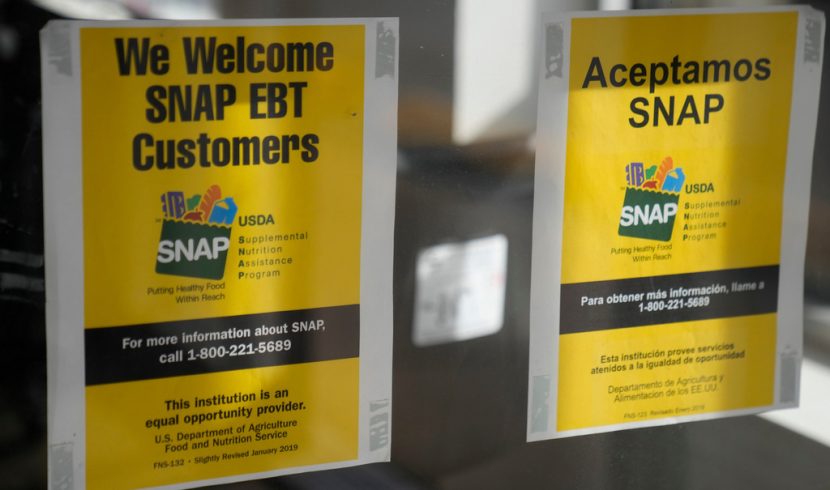
The state’s Supplemental Nutrition Assistance Program error rate for fiscal year 2025 was 9.52%, rising from 8.32% the year prior, according to new data released by the U.S. Department of Agriculture.
Though the new number poses trouble for Alabama, it will remain in the 10% cost-share tier under the new requirements of the One Big Beautiful Bill Act unless the state lowers its rate this year.
Starting Oct. 1, 2027, Alabama will be on the hook for about $174 million to cover the 10% share of food benefit costs. But if the state lowers its rate below 6% during the current fiscal year, it will not have to pay any additional costs. Or if the state reduces it to between 6%-7.99%, it would only have to pay 5% of benefit costs.
If the state can’t find a way to cover the additional costs, it could prove disastrous for the future of food assistance and the Alabamians who rely on the aid.
A spokesperson for the Alabama Department of Human Resources cautioned that when the massive tax and spending law was passed in Congress last summer, error rates for the food aid program were “essentially set”, so the new rate doesn’t take into account steps the department has taken in the meantime to reduce errors.
“Alabama DHR continues to prioritize error rate solutions that include staff training, policy changes, procedure adjustments, and automation,” the spokesperson told Alabama Daily News in a statement.
The department also noted that error rates don’t equal fraud, rather they represent “a measure of unintentional actions by clients in reporting changes regarding their households.”
The new fiscal year 2025 data shows that Alabama’s overpayment rate was 8.82% and its underpayment rate was 0.7%.
In Alabama, SNAP serves about 670,000 individuals, including 300,000 children. Total benefits in fiscal year 2025 were about $1.74 billion, or roughly $145 million per month.
When the new SNAP cost-sharing requirements begin in fiscal year 2028, Alabama can choose to use either the 9.52% rate for FY25 or the FY26 rate, whichever is lower, to determine its cost-sharing tier.
But no matter the error rate, Alabama is expecting to pay an additional roughly $35 million for SNAP administrative costs beginning Oct. 1. The federal government previously covered half of the administrative costs for states, but the new federal law lowered that federal requirement to 25%.
Advocates warn these high costs will threaten food assistance that hundreds of thousands of Alabamians rely on each year.
“This is a problem created by Congress with the passage of last year’s One Big Beautiful Bill Act, and our Senators should at minimum mitigate the harm done by this misnamed act and delay the cost shift in the current Farm Bill,” LaTrell Clifford Wood, Alabama Arise’s hunger policy advocate, said.
But currently, Senate Republicans don’t appear likely to approve a delay in the cost-sharing requirements. This week, Senate Agriculture Chair John Boozman, R-Ark., released a farm bill draft that does not include an extension. Democrats have demanded that a delay be part of the sweeping agricultural legislation before they vote for the bill.
U.S. Sen. Tommy Tuberville, R-Ala., who could be governor when this massive change occurs, previously told ADN he doesn’t support a delay, but instead wants the state to focus on reducing the payment error rate.
He also floated that if elected governor, he plans to use AI to help fix the rate, but he offered no details on how that would work, nor did he say that he had talked to DHR about those plans.
Under federal law, an exception was made for states with the highest error rates, above 13.34%, to delay the cost-sharing requirements for two years. But as of now, that does not include Alabama.
Other SNAP changes
The law also restricts who is eligible for SNAP, expanding work requirements to include older adults and parents of teenagers.
Those new limitations have already contributed to fewer Alabamians using SNAP.
About 52,000 people in the state have lost access to benefits since the One Big Beautiful Bill Act became law last July, according to the progressive-leaning Center on Budget and Policy Priorities.
Alabama grocers are also concerned that SNAP program reductions could have devastating consequences for their businesses.
During a recent state meeting, Jimmy Wright, an Opelika grocer, said an Alabama Grocers Association study found that 752 grocery stores in high-density SNAP areas, including 337 that could be affected by major reductions in SNAP spending and 117 that could have trouble surviving if benefits were reduced or the state could not sustain the program.