
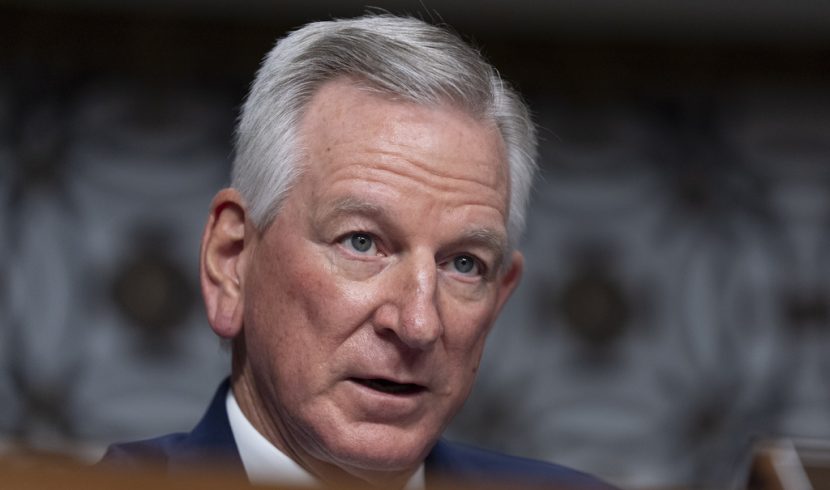
WASHINGTON — U.S. Sen. Tommy Tuberville is now a “yes” vote on the Protect College Sports Act Thursday, which aims to overhaul college sports, after previously opposing the bill and voting against it.
The sweeping bipartisan legislation could get a final vote as soon as next week after senators overwhelmingly voted 77-22 to clear the bill’s second procedural hurdle.
The measure, unveiled in May after intense negotiations between the bill’s sponsors, U.S. Sens. Ted Cruz, R-Texas, and Maria Cantwell, D-Wash., would set national standards for student-athlete compensation, transfers and eligibility rules. It would also create limited antitrust protections for the NCAA, shielding the organization from legal challenges related to those rules.
Tuberville, a former Auburn football coach, opposed the Protect College Sports Act for months, citing concerns about federal overreach in college sports, worries that it could overturn state laws banning transgender athletes in women’s sports and opposition to waivers regarding transfers.
On the bill’s first procedural vote Tuesday, Alabama’s senior senator voted against the measure.
“I voted against it to just to show my disapproval. It could be better,” Tuberville, who had been pushing his own narrowly tailored college sports bill, told Alabama Daily News. “College sports is, of course, important to me because I’ve been around it all my life, and I don’t want to see it overshadowed by the federal government.”
But with updated changes to the bill text, and it being the only college sports bill that has garnered broad, bipartisan support, Tuberville is now on board, albeit reluctantly.
“We can’t get anything else done. Something has to be done,” Tuberville said. “Let’s try it. But the problem is, when you do it, it’s hard to retract anything.”
U.S. Sen. Katie Britt, R-Ala., is also now behind the Protect College Sports Act after she had been in conversations to update the bill to earn her support. She voted in favor of the legislation in both of this week’s procedural votes.
First, she and Tuberville were glad to see the bill’s language clarified to ensure state laws, such as Alabama’s, banning transgender athletes in women’s sports cannot be overturned by this legislation.
Britt also told ADN she was working to finalize changes to make it easier for schools to change conferences under the bill, if they choose to do so.
“The way that this bill was currently written, you would have to sit out five years if you wanted to leave,” Britt said. “Five years with zero conference revenue. Nobody could afford to do that, which meant that you would always be beholden to the SEC.”
The senator confirmed on social media that the realignment restriction would go down to three years and would sunset after six years.
She added that she doesn’t foresee the University of Alabama or Auburn University waiting to leave the SEC, but Britt said she wanted the schools to have that “flexibility.”
The Protect College Sports Act also would guarantee scholarship and healthcare opportunities for student-athletes and cap agent fees at no more than 5%.
On his way to the Senate floor to vote for the legislation Thursday, Tuberville still expressed his dissatisfaction with the bill, arguing that it also did not thoroughly address the education component of college sports.
“But I’m getting ready to vote yes,” Tuberville told ADN, flashing a thumbs up.
Despite bipartisan support, some Democratic senators, the NAACP and labor groups strongly oppose the bill over concerns that it would strip away college athletes’ rights.
“This bill protects the billions of dollars that coaches and sports industry executives are making over the suppression of compensation for some of the most highly valued athletes in the world,” U.S. Sen. Chris Murphy, D-Conn., one of the bill’s most ardent opponents, said on a press call this week.
Murphy also pushed back on the argument from the bill’s proponents warning that something needs to be done on the federal level to address the “crisis” in college sports.
“The crisis and the chaos is really one that primarily impacts the coaches and the colleges who all of a sudden have to work a little bit harder to be able to keep athletes who are no longer indentured to the programs that they are working for,” he said.
On Thursday, President Donald Trump, a supporter of the bill, praised the Senate for being one step closer to passing the Protect College Sports Act. He highlighted those who have backed the bill from the start, including former Alabama football coach Nick Saban.
“Great news on NIL, in other words, straightening out the horrible situation taking place with respect to College Sports,” Trump wrote on social media.
If the Senate passes the Protect College Sports Act, the House would not take up the bill until after the midterms. The lower chamber left Washington Wednesday for the campaign trail and is not set to return until Nov. 9.