
MONTGOMERY, Ala. — New legislation to mandate Alabama independent pharmacies are paid at least their costs for medications, plus a fee, by pharmacy benefit managers passed a Senate committee on Wednesday.
Senate Bill 252 is scaled back from earlier proposals to apply to prescriptions at independent pharmacies, not chain retailers, and could get a Senate vote today. It has 28 co-sponsors in the 34-member chamber.
Pharmacy benefit managers, or PBMs, are third-party groups that negotiate drug benefits for insurers. Pharmacists have lobbied lawmakers since last year to end pharmacy benefit managers’ ability to pay pharmacies less than their costs on the medication. Drug store owners say being paid below cost for some of the medications they sell is driving some out of business.
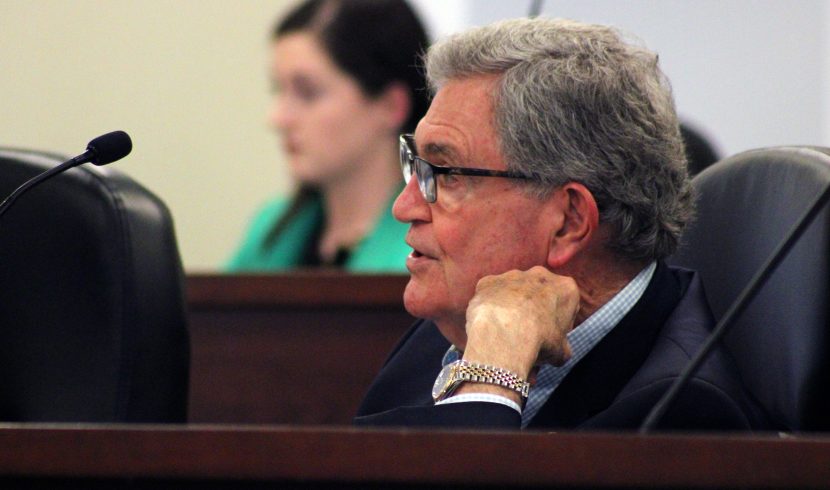
“It’s not right that the retail drug store industry in Alabama be underpaid for the service they provide by pharmacy benefit managers hired by the business community,” Sen. Billy Beasley, R-Clayton, told the Senate Banking and Insurance Committee. He’s the bill sponsor and a retired pharmacist.
The bill doesn’t explicitly mention a fee, but says PBMs can’t reimburse independent pharmacies less than the amount paid by the Alabama Medicaid Agency. That currently includes a $10.64 per-prescription dispensing fee.
The bill says PBMs can’t increase covered individuals’ costs to make up the increased reimbursement rates, but opponents said the legislation will increase costs for employers.
Helena Duncan, president of the Business Council of Alabama, spoke against the bill during a public hearing, saying the organization recognizes the challenges pharmacists face and supports some provisions in the bill.
“(But) let us be clear that shifting the financial burden from the pharmacies to Alabama employers is fundamentally unfair,” Duncan said. “…Particularly, small businesses will have no choice but to either absorb these additional costs or pass them on to their employees or customers.”
Duncan said BCA has offered alternative proposals, “but unfortunately, these options have not been considered.”
The bill, filed this week, follows two similar but more narrow bills filed by Sens. Andrew Jones, R-Centre, and Larry Stutts, R-Tuscumbia. They would have applied the new reimbursement rates to chain pharmacies as well. Neither has received a committee vote and both Jones and Stutts are co-sponsors on Beasley’s bill.
“We’re focused on community pharmacies,” Beasley told ADN.
Stutts on Wednesday called the bill a step in the right direction.
“When you talk about health care costs going up, prescription drugs are what’s driving that and PBMs are driving that,” Stutts said.
Opposition to Stutts’ and Jones’ bills included the Retirement Systems of Alabama, which manages the health care plans for the state’s educators and said they would increase costs. On Beasley’s bill, RSA is neutral. The new legislation exempts from the reimbursement rule health plans for public employees as long as they continue to reimburse independent pharmacies at the Medicaid reimbursement rate.
The legislation was amended in committee so the reimbursement requirement won’t apply to specialty medications. Pharmacists at the public hearing Wednesday asked lawmakers to keep specialty medications in the bill.
The bill defines specialty drugs as those that “require special handling, administration or monitoring and are used for the treatment of patients with serious health conditions requiring complex therapies, and that are eligible for specialty tier placement by the Centers for Medicare and Medicaid Services.”
If signed into law, the reimbursement rate and other rules in the bill would end in 2027 unless extended by lawmakers. As currently written, it would go into effect as soon as the governor signs it. Opponents said that would be impossible and insurers and PBMs would need time to make adjustments.