
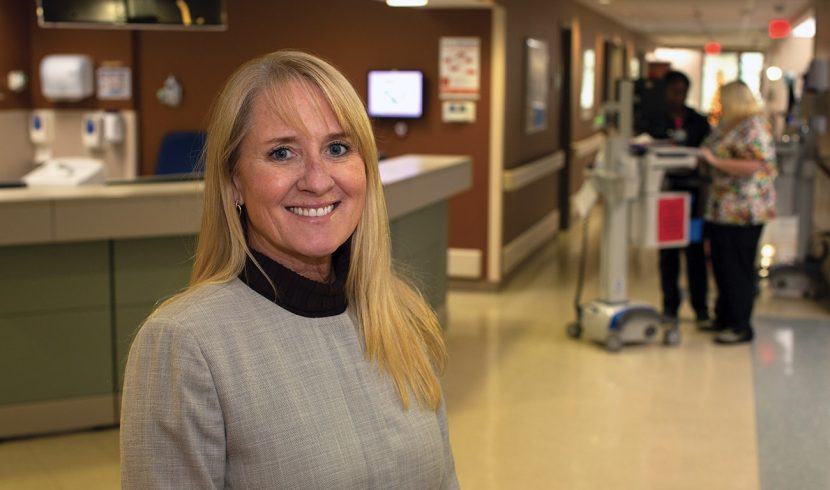
Dr. Don Williamson, leader of the Alabama Hospital Association for nearly a decade, is leaving that position effective today.
Danne Howard is the association’s new president and chief executive officer, the organization told Alabama Daily News.
Williamson’s health care career spans nearly 40 years, much of it as the state health officer for almost two decades. During that time, he honed an ability to easily explain complicated matters, including Medicaid and hospital funding, to state leaders.
“Don has been a trusted leader and a tireless advocate for better health in Alabama,” Vernon Johnson, chair of the association’s board of trustees and CEO of Dale Medical Center, said in a written statement. “His steady hand during the pandemic, his commitment to access to care, and his lifetime of service have left a lasting mark on our healthcare system. We are deeply grateful for his dedication and proud to honor his extraordinary contributions.”
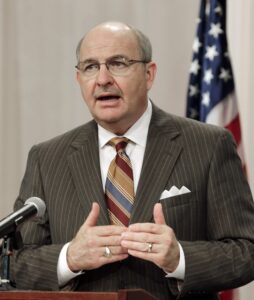
Before joining the association in 2015, Williamson led the Alabama Department of Public Health as the state health officer for more than 20 years. In his last three years in state government, he also oversaw the Alabama Medicaid Agency.
Howard, a native of central Alabama, is the first woman to lead the association.
“I work for good people who are trying to do the right thing to take care of the people in their communities,” Howard told ADN about why she wanted this new role. “I believe in them and I’m very honored that they believe in me.”
She has nearly 30 years of experience with AHA, most recently as its deputy director and chief operating officer. She has been the voice of hospitals in the State House since she started in governmental affairs at the organization.
“Danne is a highly respected voice in health care with a long-standing track record of success,” Johnson said. “Her leadership is guided by a clear sense of purpose and a deep dedication to the health and well-being of Alabamians. Danne brings the experience, insight, and vision necessary to lead the Association forward in this new chapter.”
Howard told ADN on Monday hospitals are facing a precarious, quickly changing situation post-COVID-19.
“There have been more rapid changes in health care delivery methods and concepts than probably my entire career up until now,” Howard said. “And it’s exciting. As stressful as it is, it’s exciting thinking about how things are changing and how many more tools may be available as we move forward.
“But the challenge for Alabama and our hospitals is being disadvantaged financially compared to a lot of other states,” Howard said, citing higher poverty and uninsured rates.
The challenge is to still be innovative in care delivery, Howard said.
In Alabama, 22 rural hospitals are at immediate risk of closing, and 26 are at risk of closure, according to a Center for Healthcare Quality and Payment Reform report.
Howard and others from the association were in Washington last week talking to delegation members about health care funding in the pending tax cut bill. Medicaid cuts and the expiration of enhanced credits under the Affordable Care Act would lead to more than 200,000 Alabamians losing coverage, according to estimates. Caring for the uninsured places a larger burden on struggling hospitals.
“(We’re) hoping the end result of this bill allows us to maintain some flexibility to figure out how we can have better reimbursement in Medicaid and still serve our communities,” Howard said.
A report earlier this year said Alabama’s 114 hospitals support more than 143,000 jobs, 77,557 of those directly in hospitals, and generate a $10.4 billion labor impact. Hospitals’ total annual economic impact is $25 billion, per the association report.