
MONTGOMERY, Ala. — A locally owned pharmacy in East Brewton in south Alabama will permanently close today.
It is the fifth independent pharmacy in the state to close this year. Nearly 50 have shut their doors in the last two years, according to the Alabama Pharmacy Association.
The closure of Cottrell’s Hometown Pharmacy in East Brewton is because of revenue loss from below-cost reimbursement rates from pharmacy benefit managers, according to the local newspaper.
It’s the same problem that’s driven others, and could drive more out of business, advocates say.
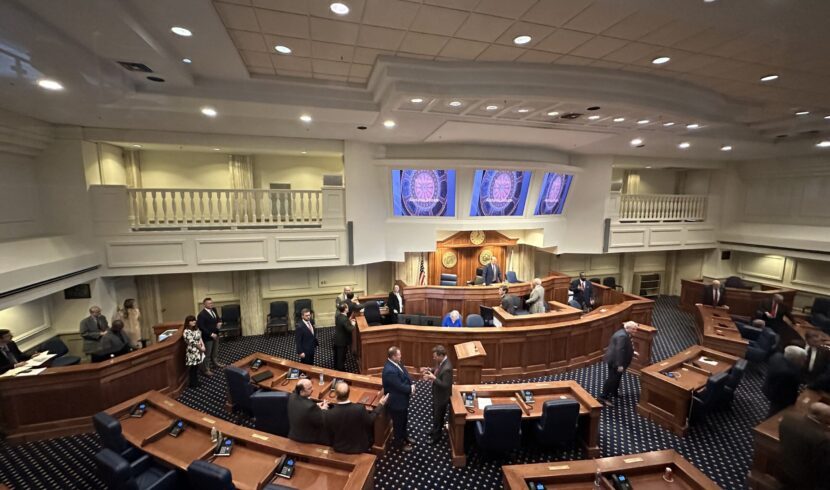
On Thursday, the Alabama Senate voted unanimously for Senate Bill 252. It prohibits pharmacy benefit managers, third-party groups that negotiate drug prices for insurers and enter into contracts with pharmacies, from paying independent pharmacies less than their costs for medications.
“If we don’t pass this legislation, it’s going to get worse,” Sen. Billy Beasley, D-Clayton, said on the Senate floor Thursday about the financial struggle community pharmacies are facing.
While they’re not underpaid on every prescription they sell, pharmacists this year and last testified before lawmakers about losing hundreds of dollars, sometimes thousands, on a single prescription.
The bill says PBMs can’t reimburse independent pharmacies less than the amount paid by the Alabama Medicaid Agency. That currently includes a $10.64 per-prescription dispensing fee.
Beasley said that cost won’t be passed on to customers.
“We have made every effort to protect the consumer,” Beasley said. “Nothing in this measure will cause any pain to the citizens of Alabama.”
Opponents of the bill, including the Business Council of Alabama, have warned that increased costs borne by the PBMs will be passed on to businesses, who may have to pass them on to employees or customers.
While the bill had overwhelming support in the Senate, including 28 co-sponsors, there were some tense discussions on the Senate floor Thursday over when the reimbursement rate would be effective. As the bill originally read, it would take effect as soon as the governor signed it. But Sen. Chris Elliott, R-Josephine, said insurers and PBMs needed time to make adjustments. He had an amendment to make the start date Jan. 1, 2026.
Sen. Andrew Jones, R-Centre, said every month the reimbursement rate change is delayed, more pharmacies would close.
“I cannot and will not get behind an amendment that kicks this can down the road until Jan. 1,” he said.
Eventually, the body decided on an Oct. 1 effective date. The proposed law will end in 2027 unless extended by lawmakers at a later date.
After the bill’s passage, Senate President Pro Tem Garlan Gudger, R-Cullman, called it a big win, even if parts of the process weren’t pretty.
“This has been a deliberation like we’re supposed to have on this floor,” he said.
The bill now goes to the House.
PBM study coming
Even if it becomes law, SB252 isn’t the end of the PBM conversation in the State House.
The Senate on Thursday approved a resolution requiring the hiring of a consultant to do “a comprehensive study on pharmacy benefits manager practices and their relationship with other actors in the drug supply chain, including drug manufacturers, drug wholesalers, and pharmacy services administration organizations, and the resulting effects on prescription drug costs, the practice of pharmacy, and consumer access to medications.”
If the House and Gov. Kay Ivey approve the resolution, the director of the Legislative Services Agency will hire a consultant who will submit a report by the end of the year.
According to the resolution, “Concerns have been raised that inadequate reimbursement practices by pharmacy benefits managers significantly contribute to the alarming rate of pharmacy closures in the State of Alabama (and) the closure of local independent pharmacies disproportionately impacts our rural communities in areas that are already underserved by health care providers, limiting access to essential medications for Alabamians…”
Sen. Tom Butler, R-Huntsville, a retired pharmacist, sponsored the resolution.
“This is a nationwide, complex problem and we have got to get a handle on pharmacy benefit managers,” Butler told Alabama Daily News Thursday. “… Pharmacy benefit managers, to me, are a prime contributor to the rise in health care costs, prescription drug costs, for the whole country.”
The resolution now moves to the House.
The Legislature in 2021 approved some regulations and reporting rules for PBMs. That legislation was sponsored by Butler.
Lawmakers requested a similar study last year on how the state’s ethics laws compare to other states and national recommendations and standards. That report was released last month.