
MONTGOMERY, Ala. – Lawmakers passed out of committee Wednesday morning a bill expanding the criteria that the Alabama Board of Pardons and Paroles must review when making parole decisions.
House Bill 86 mandates that the ABPP consider an inmate’s employment and education while incarcerated. It also requires board members to recognize if an incarcerated person is at low risk to reoffend upon release in their decision.
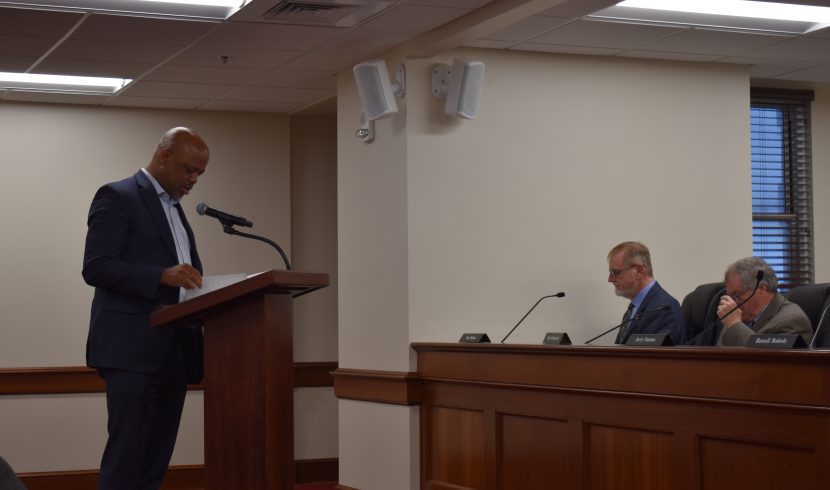
Rep. Chris England, D-Tuscaloosa, said he introduced the legislation to make sure “the entire picture of the inmate” is taken into consideration during their parole hearing. This bill wouldn’t take away the discretion of the board in making the decision, it would just require the board to look at these factors, he said.
England said that in addition to giving the board more information, the bill could encourage people to participate in programs while they are incarcerated.
“In an effort to make sure that everybody who is incarcerated in the state understands that if you do these things and do them the right way and you do all the things we’re requiring you to do, it doesn’t guarantee that you’ll be released, but at the very least, you know when you go before the parole board that those things will be considered,” England said.
Director of the Alabama Bureau of Pardons and Paroles Cam Ward told ADN Wednesday that the board already takes education – even partially completed programs – into consideration in parole decisions and views it as a positive. The bureau, part of the executive branch, and the board, part of the legislative branch, are separate entities but work closely together. Ward said he supports the effort but doesn’t believe it will change anything because the practice is already in place.
“We’re fine with the bill because we believe if you’re trying to do positive efforts to improve yourself, then that should be taken into consideration,” Ward said.
England said during the meeting that looking at education in parole hearings is “hit or miss” and that there is no consistent application.
The parole board previously came under fire because of low parole grant rates and failure to comply with its own guidelines for deciding who will be released from prison under state supervision.
After a steep decline, the board’s grant rate reached a historic low of 8% in fiscal year 2023 under former chair Leigh Gwathney. Since current board chair Hal Nash started in mid-July, ABPP granted parole in 318 of the 1,450 cases it heard, according to data released in January. That’s a grant rate of around 28%.
Rep. Phillip Pettus, R-Killen, amended the bill during the meeting to remove language mandating the board review the new criteria in a “positive” way.
The bill now heads to the House floor.