
MONTGOMERY, Ala. – Alabama women would be able to defer their prison sentence until after the birth of their child or after a postpartum recovery period under a new bill moving through the Alabama House of Representatives.
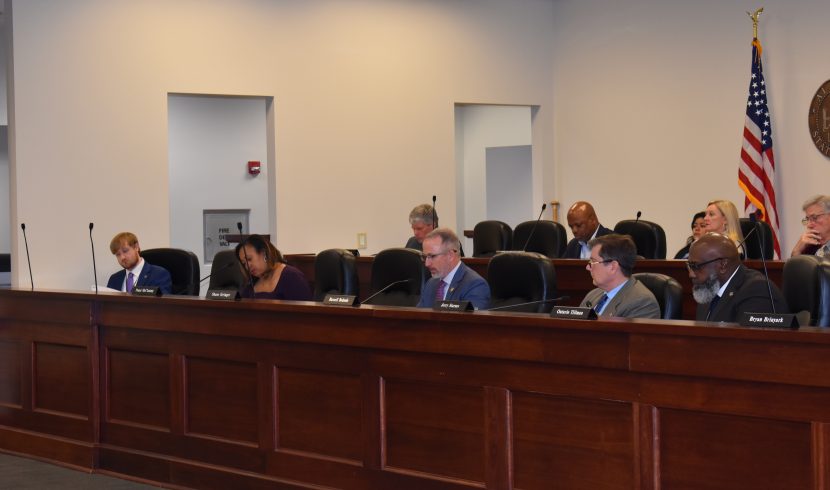
House Bill 54 – the Alabama Women’s Childbirth Alternatives, Resources, and Education Act – lays out the details of release for pregnant incarcerated women. The House Judiciary Committee advanced Rep. Rolanda Hollis’, D-Birmingham, CARE Act last week.
Under the bill, a court could authorize the supervised release of a woman confirmed to be pregnant or postpartum at the time of jail intake so long as she does not pose a “documented, immediate risk” to public safety.
If a woman were pregnant or postpartum at the time of sentencing, a court could include in her sentence a term of pre-incarceration probation to be served until 12 months after the woman gives birth. That time would count toward her overall sentence. Not surrendering at the appropriate time would constitute a Class D felony.
The alternate sentencing options would be supervised by the Alabama Board of Pardons and Paroles through a CARE coordinator required by the bill.
The original bill filed by Hollis had the postpartum recovery period specified as 12 weeks, but after discussion with the ABPP, a substitute raised that period to 12 months.
Rep. Phillip Pettus, R-Killen said he objected to that increase, citing the amount of paid leave female teachers and state employees receive for childbirth. A 2025 law gives them eight weeks of paid parental leave. Men get two weeks.
Hollis said ABPP arrived at the 12-month period because of the challenges some women may have in finding stable care for their children.
“(Twelve months is needed to) make sure that baby’s in place with someone they trust so they can be ready to go back and serve their time,” Hollis said.
Though he voted in favor of the bill, Rep. Russell Bedsole, R-Alabaster, said based on his personal experience in law enforcement, he believes many of the state’s municipal and county jails can already offer sufficient prenatal care to pregnant women. Bedsole said some of the protections offered by incarceration help guarantee the health of the unborn child.
“…Most importantly I think one of the safeguards being inside of a jail is hopefully we keep that individual from going out, and if drugs were a part of their background if they’re on the street there may be this tendency and lure to go back to an old habit and when they’re inside the facility hopefully we can keep ‘em clean,” Bedsole said.
The CARE Act also prohibits any jail staff from using shackles, waist chains or other restraints pregnancy, labor, delivery or within 12 weeks of delivery.
Vice Chair Rep. Tim Wadsworth, R-Arley, and Pettus voted no. It now heads to the House floor.