
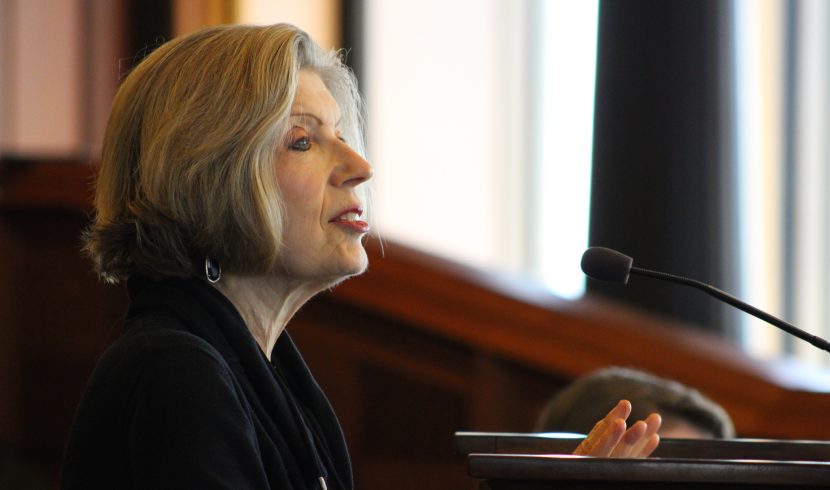
MONTGOMERY, Ala. — Around 1,500 Alabamians enrolled in the state’s health care program for teachers, specifically surviving spouses also enrolled in Medicare, will see their monthly premiums increase from $65 to $260, a 300% increase, Retirement Systems of Alabama CFO Diane Scott said on Tuesday.
The premium increase, which will go into effect Jan. 1 for Medicare-eligible surviving spouses enrolled in the Public Education Employees’ Health Insurance Plan, or PEEHIP, was due to federal policy changes that include cuts to Medicare payouts and the federal government’s cost share of prescription drugs.
Dave Wales, the director for PEEHIP, explained to Alabama Daily News that, given the increased cost burden per PEEHIP recipient due to the federal policy changes, the premium increase for Medicare-eligible surviving spouses was out of the board’s hands given the way state law is written as it pertains to the public educator health care program.
“If the cost goes up, that has to go up to what the cost is, no way around it, the law requires that,” Wales told ADN.
“The board has discretion to adjust member premiums for active members and retirees, but the (premiums for) survivors is a function of law, they must pay what the cost to the plan is. There’s no discretion that the staff or the board has to impact that.”
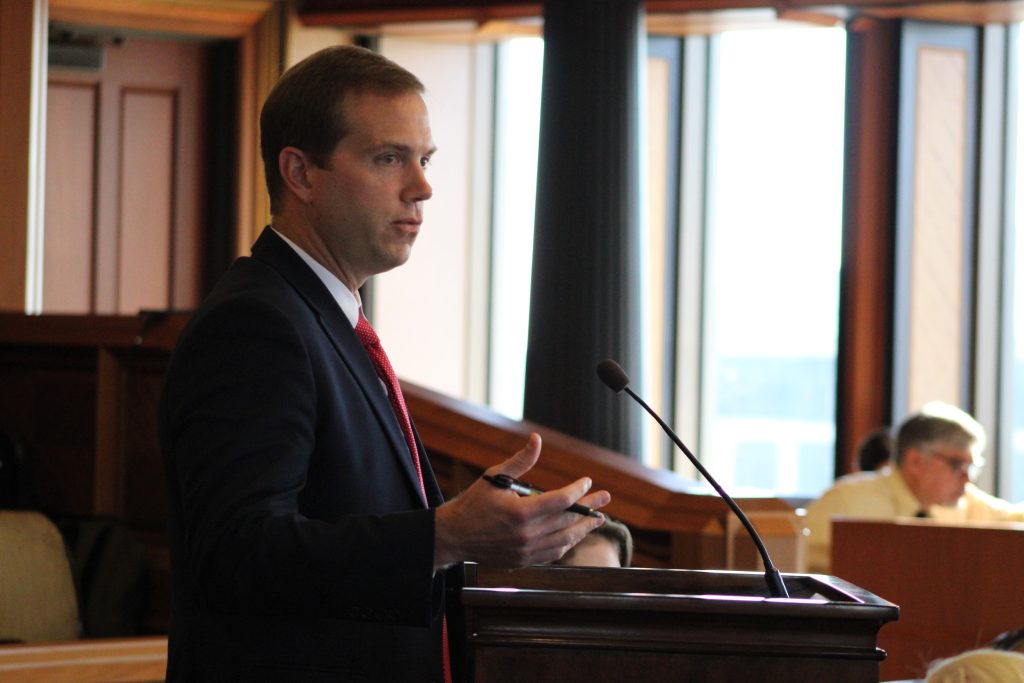
The significant increase to premiums for the roughly 1,500 PEEHIP recipients is just the latest challenge facing the PEEHIP Board, which is actively working to plug a projected 2027 budget shortfall of between $263 million and $319 million, also due to the federal policy changes.
The board voted in September to ask lawmakers for a 2026 budget request of about $1.3 billion, an additional $134 million over the current fiscal year, which would bring their per-member monthly funding up from $800 to $904. The board also proposed transferring up to around $119 million from a RSA reserve account.
State lawmakers have yet to reach a consensus on whether they’d be willing to grant PEEHIP’s funding request. However, were they to ultimately decide to allocate the requested funds, PEEHIP would still be $283 million short in 2027, something Scott said may require asking the legislature for another significant budget increase in 2027.
“We hope to get $904 (per member) in 2026, but if we don’t do anything different, and these claims continue at their clip that they’re going now, we’re going to need an allocation of somewhere between $1,114 to $1,159 in 2027,” Scott said, speaking to the board.
“…I’m hoping that we find some cost-saving idea, because we’re looking under every rock, under every leaf for these sorts of things.”
With about 350,000 teachers, retirees and their dependents currently enrolled in PEEHIP, state lawmakers have taken the projected budget shortfall seriously, and have worked to find potential cost-saving measures during the last two meetings of a study commission on PEEHIP and the State Employees’ Insurance Board.
Some proposed cost-saving measures, such as consolidating PEEHIP and SEIB, were ultimately dismissed, leaving lawmakers no closer to plugging the budget shortfall. Sen. Greg Albritton, R-Range, who chairs the Senate General Fund budget committee and is on the education budget committee, previously told ADN that the shortfall will likely have to be covered through either increasing PEEHIP member premiums, or taken directly from the education budget.
Despite the significant ask, Scott still remained hopeful that lawmakers would ultimately grant PEEHIP the budget increase, though cautioned board members that if they didn’t, immediate action by the board would have to be taken, which could potentially include increasing teacher premiums and copays across the board.