
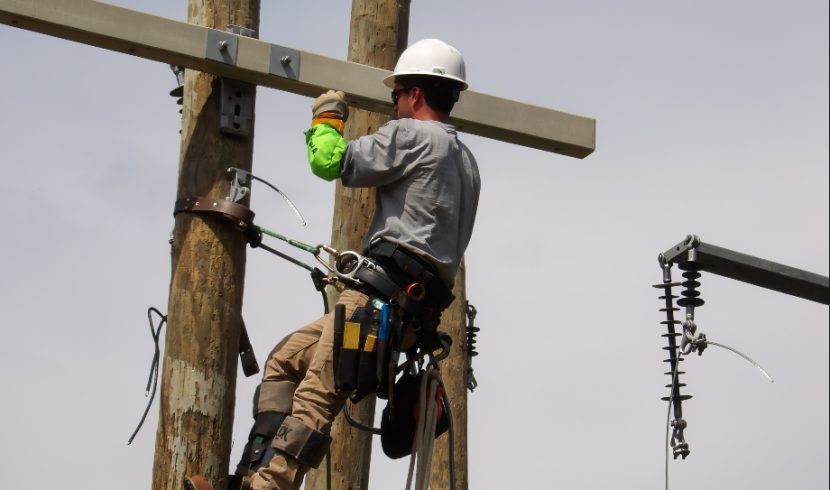
BIRMINGHAM, Ala.- Gov. Kay Ivey approved the state’s first Workforce Pell Grant program on Monday: the Lineworker Training Program at Lawson State Community College in Birmingham. Lawson State has partnered with Alabama Power to train students using hands-on preparation for careers in the utility industry.
“Alabama is leading the way in preparing our people for good-paying careers, and approving our first Workforce Pell program is another important step forward,” Ivey said. “Lawson State’s Lineworker Training Program is preparing Alabamians with the skills employers need while opening doors to rewarding careers.”
The state approval moves the program one step closer to allowing eligible students to use federal Pell Grant financial aid to pay for the 10-week, 400-hour-plus training program. The program must also receive approval from the U.S. Department of Education before Pell funding can be awarded.
Ivey and Workforce Secretary Greg Reed launched the program June 30 and began taking applications from programs that meet federal criteria.
Reed said the goal of Workforce Pell is to direct financial aid toward training programs with a proven record of preparing students for jobs needed by Alabama employers.
“Lawson State’s Lineworker Training Program is an excellent example of that approach,” Reed said, “and its approval establishes a strong foundation as we continue expanding Workforce Pell opportunities across Alabama.”
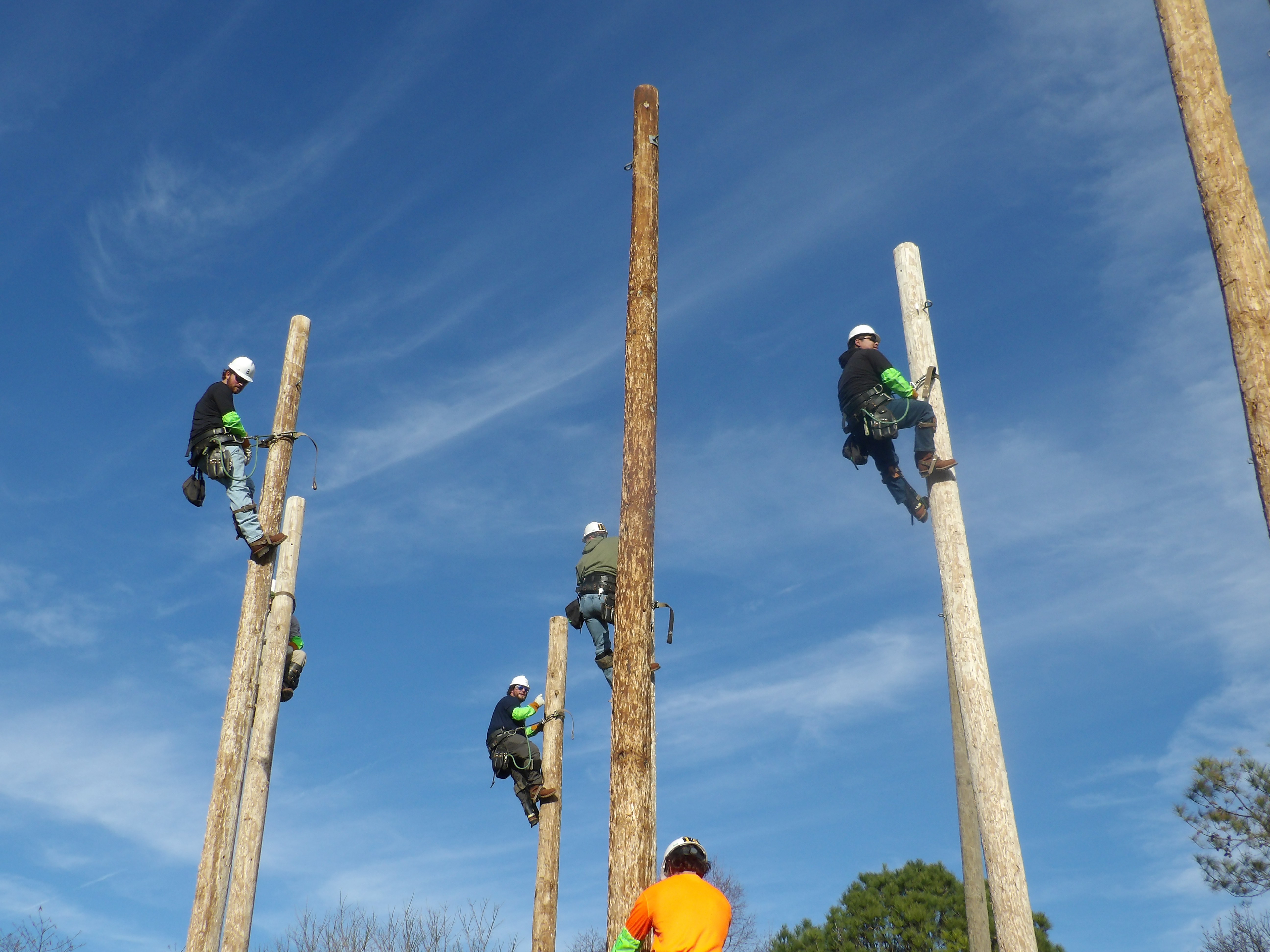
Interest in Lawson State’s Lineworker Training Program has been strong, with the college reporting hundreds of applicants for recent cohorts. Students who perform well often receive job offers before completing the program.
Lawson State President Cynthia Anthony said the program gives students a chance to develop real-world skills, earn credentials and prepare for careers that can provide stability for themselves and their families.
“Alabama’s community colleges are built to respond quickly to the needs of students and employers, and Workforce Pell strengthens our ability to do exactly that,” Alabama Community College System Chancellor Jimmy Baker said.
Baker said Lawson State’s approval provides a path other community colleges can follow as they seek Workforce Pell eligibility for short-term training programs.
Grant Cockrell, Lawson State’s Dean of Career Technical Education and Workforce Development, said the new eligibility will reduce financial barriers for students seeking lineworker training.
“With Workforce Pell, financial barriers are reduced, giving more individuals the opportunity to access training for a high-wage career regardless of financial circumstances,” Cockrell said.
Eligibility requirements for a program to be approved for Workforce Pell include:
- Length of training must be at least eight weeks and less than 15 weeks,
- The program must have been in place for at least 12 months,
- Program must have a completion rate of at least 70% in 150% of the program’s normal completion time,
- The program must prepare students for at least one occupation on Alabama’s statewide In-Demand Occupations List,
- Must show that at least 70% of completers are employed during the second quarter after leaving the program. Alabama’s application also requires programs to demonstrate employment in related occupations,
- The program must lead to a recognized credential that is portable and stackable, or is the sole recognized credential for the occupation, and
- The program must provide academic credit that applies toward at least one certificate or degree program, or articulate into such credit.
The Department of Workforce is currently working with the Alabama Community College System to assemble a list of short-term training programs that could be eligible for Workforce Pell approval.
While annual Pell Grant amounts are set at $7,395, funding for Workforce Pell programs will be prorated based on the program’s length, including its instructional hours and weeks, rather than allowing students to receive the full annual Pell amount for a short-term program.
Programs will also eventually be subject to a federal earnings test that compares graduates’ earnings with the cost of the program to determine whether it continues to qualify for Workforce Pell funding.