
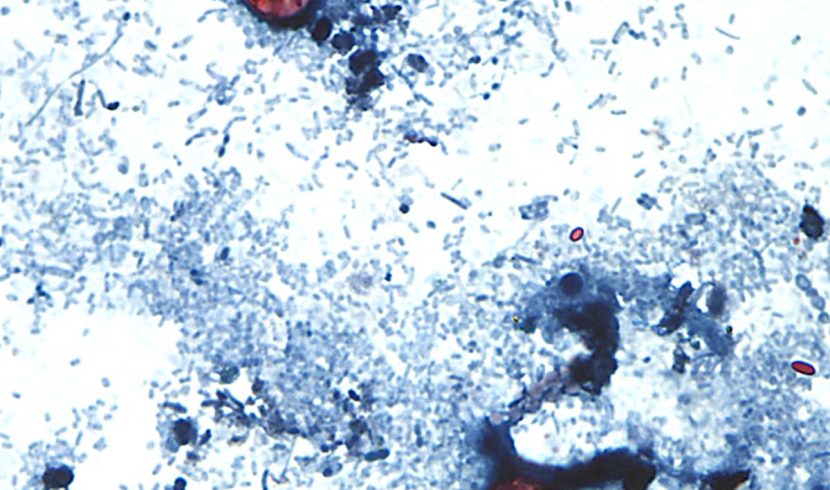
MONTGOMERY, Ala. – Cyclosporiasis, the explosive diarrhea-causing intestinal illness spreading across the country, has made it to Alabama.
Though the outbreak in other states is much worse, State Health Officer Scott Harris said at the Alabama Department of Public Health’s Thursday meeting that the department has confirmed 11 cases in Alabama. He explained that it’s too early to know the cases’ origin but said the state is working to trace them.
“One or two of those are linked to outbreaks in other states that we know about,” Harris said. “The others, I’m not sure about how they’re linked or if they’re linked. There may be other cases as well… So we have a few, we certainly don’t have what a lot of the country is seeing.”
Cyclosporiasis is transmitted through produce contaminated with feces and causes “explosive” or watery diarrhea. The illness is rarely fatal, even for immunocompromised people, but it can be incapacitating, Harris said.
The multistate outbreak of the protozoa-caused disease began in late June and is most prevalent in Kentucky, Michigan, Ohio and West Virginia. It’s not currently clear what caused the outbreak, but historic cases were linked to leafy greens, Harris said.
There were 1,645 reported cases in the country as of Monday, according to the U.S. Centers for Disease Control and Prevention. Eight percent of those cases – 141 – ended in hospitalizations, but no deaths have been reported.As of the same date, 34 states had reported cases to the CDC.
Harris said that Alabama sees a few cases of the disease each year, calling it “certainly well-known to us.”
Alabama had an average of 43 cases annually between 2021 and 2025, according to data from the Alabama Department of Public Health. The state had 21 cases last year.
Harris encouraged Alabamians to take precautions when eating vegetables, especially uncooked ones, to protect themselves from the cyclosporiasis. He said that factory-farmed and bagged greens are more likely to be infected, meaning buying from local farmers might be less risky.
“We would encourage people to wash their produce before they eat it,” Harris said. “Cook it if that’s feasible to do that with what you’re eating. Probably you’re better off buying fresh products from small local producers at least until we get a better idea of the source, and we’re continuing to monitor it so that we can keep Alabama safe.”
Commissioner Rick Pate said in a statement that the Alabama Department of Agriculture and Industries is monitoring the situation as well. He reiterated that buying local can help keep Alabamians safe.
“Food safety is our top priority, and safeguarding Alabama’s food supply is a responsibility we take seriously,” Pate said. “One of the best ways consumers can protect themselves is by purchasing fresh, Alabama-grown produce from trusted local farmers.”
Cyclosporiasis also has an incubation period of nearly two weeks, which Harris said makes contract tracing even harder. Symptoms appear 10 days after contact with infected food on average, he said.
Pay raise for state’s top health official
Thursday’s meeting also ended with a board-recommended 5% pay raise for Harris.
He led the state through the COVID-19 pandemic after joining the ADPH in 2018. Harris last received a raise – a 2% cost-of-living adjustment – in 2024.
Board member Dr. David Thrasher introduced the resolution recommending the raise, saying that Harris has expertly led the state through tough times. He mentioned Eli Lilly’s recently announced $6 billion manufacturing plant in Huntsville as a testament to Harris’ “exemplary” leadership.
“No matter what other people tell you, Eli Lilly looked and saw what this guy’s doing with the state,” Thrasher said. “We all know public health nationwide is underfunded, but I think he’s done a magnificent job.”
Thrasher’s resolution also included a 2% COLA next fiscal year.
Harris made $336,167.04 in gross pay in fiscal year 2025, according to public records. That means a 5% raise would bringing the projected total to approximately $354,000.