
WASHINGTON — Senate Agriculture Committee Chair John Boozman released a farm bill draft Tuesday, mirroring much of the U.S. House’s version of the sweeping agricultural legislation, while leaving out a delay in the upcoming cost-sharing requirements for food aid.
The Agricultural Act of 2026 authorizes several key agricultural and food assistance programs for the next five years and provides safety net programs and support for farmers. Congress has not passed a full farm bill since 2018, but has extended the legislation twice.
“Congress delivered historic improvements to farm programs through the Working Families Tax Cuts, and we’re continuing to expand upon that success with bipartisan priorities that strengthen the American farm economy, increase investments for rural communities and foster a more resilient agricultural sector,” Boozman, R-Ark., said in a statement.
The Senate’s proposed bill, similar to the House’s measure, authorizes specialty crop production programs, streamlines conservation efforts and expands investments in rural communities. It also increases loan opportunities for farmers.
But the legislation does not include a key Democratic demand and something Alabama officials have been hoping for: delaying the cost-sharing requirements for states to pay for more of the Supplemental Nutrition Assistance Program under the One Big Beautiful Bill Act.
“This bill does not address the devastating cuts to SNAP or the shift to state taxpayers passed into law as part of HR 1,” Senate Agriculture Democrats said.
The Democratic lawmakers added that they “stand ready to work with Republicans to negotiate a bipartisan Farm Bill that both meets the moment and can be successful on the Senate Floor.”
SNAP cost-share requirements
The massive tax and spending law shifts more SNAP costs to states by requiring them to pay a share of food benefit costs depending on their payment error rates.
Based on Alabama’s most recent payment error rate of 8.32%, the state could be on the hook for 10% of its benefit costs or about $174 million starting in fiscal year 2028.
Democrats are pushing to give states more time to reduce their error rates before the change takes effect and want to use the farm bill as a vehicle to do that. In a similar vein, Alabama officials have also asked lawmakers to institute a delay and have had conversations with Alabama’s U.S. senators about the requirement.
But U.S. Sen. Tommy Tuberville, R-Ala., a member of the Agriculture Committee, told Alabama Daily News that he does not support postponing the cost-sharing requirement but instead wants the state to focus on reducing its error rate.
If a state has an error rate below 6%, it does not have to pay any SNAP benefits costs under the One Big Beautiful Bill Act.
“I want to help everybody that needs help,” Tuberville said. “But…when you got an 8% error rate, you got problems. You know, there’s something being overlooked.”
But state officials have emphasized that the payment error rates are not the same as fraud; rather, they involve eligibility or reporting issues, not intentional misuse of benefits.
During a recent Make Alabama Healthy study group meeting, Alabama Department of Human Resources officials explained the actions it’s taking to bring the rate down, such as adding staff to understaffed counties and streamlining electronic processes.
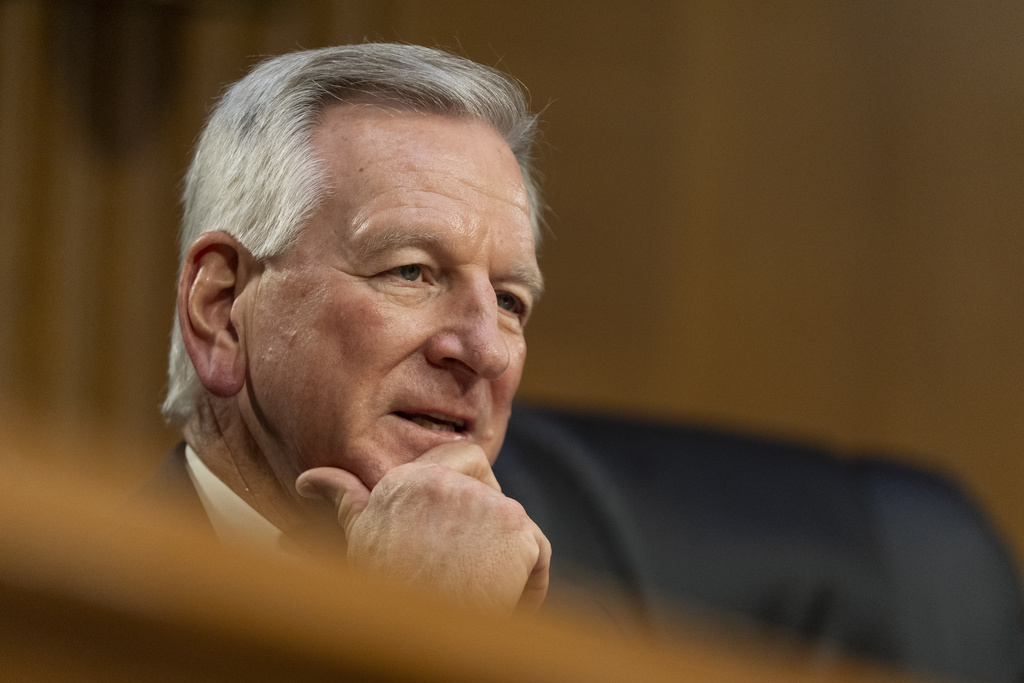
If Tuberville becomes governor next year, he would be at the helm when Alabama is hit with the increased SNAP costs, but he said he has a plan.
The senator and GOP gubernatorial nominee said he and his team plan to use AI to help lower the state’s payment error rate.
“I think we put technology to work the way it should be. We’ll have a better opportunity to cut back, get it down to around 5%,” Tuberville told ADN.
Starting Oct. 1, states will also be responsible for a larger share of the SNAP administrative costs, which could cost Alabama an estimated $35 million. When combining the increased administrative costs with SNAP benefit costs using the state’s current error rate, the state could have to pay about $278 million more for the food aid starting in fiscal year 2028.
To try to garner the necessary 60 votes, the Senate’s farm bill proposal does not include some of the more controversial portions of the House’s farm bill, which passed in late April.
The Senate’s draft omits a provision that would prevent states and local governments from enacting stricter livestock production regulations, and neither version includes measures on pesticide labeling or year-round E15 sales.
Alabama’s delegation split along party lines in voting on the House’s farm bill. The state’s two Democrats opposed the measure over their opposition to the SNAP cuts.
The current farm bill extension expires Sept. 30. The Senate Agriculture Committee is expected to mark up the bill before its August recess.