
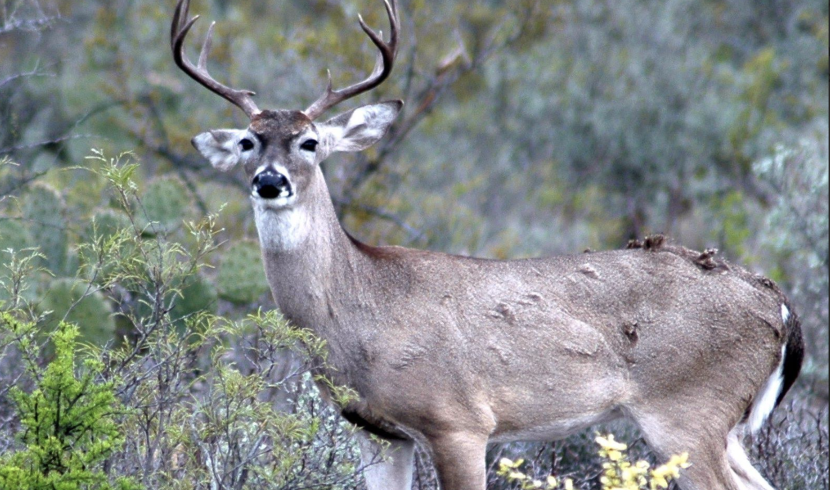
Some of the best white-tailed deer hunting in Alabama occurs later in the season. Therefore, the season in parts of Alabama extends into February. In some parts of the state, the “rut,” or breeding time for deer, occurs in January or February.
“The rut is the breeding period for white-tailed deer,” commented Landon F. Johnson, the Assistant Deer Program Coordinator for the Alabama Division of Wildlife and Freshwater Fisheries in Montgomery. “During this period, mature bucks tend to let their guard down and spend more time seeking does. For this reason, the rut is the primary time sought by most hunters.”
When hunting season comes, many big bucks turn completely nocturnal, but during the rut, whitetail bucks, especially the larger dominant ones, lose some of their natural wariness as they relentlessly pursue does for breeding. They move about more during daylight hours and cover more territory looking for receptive females. That makes them more likely to cross the paths of sportsmen during legal shooting hours.
The rut usually occurs over a 14- to 21-day period each year in any given area, but not all does might breed during that time. Nearly a month later, does not yet bred could become receptive again, kicking off another smaller scale rut cycle in that area.
“Does start to break away from their family groups as they become receptive before courting and breeding takes place,” Johnson said. “Often, a buck will follow a doe for a couple days before breeding takes place. If a doe is not bred during her first window of estrous, she will have another cycle roughly 28 days later.”
Once a buck finds a doe nearing or in estrous, he will stay near her until she goes “out of heat.” Then, that buck will continue his habitual search for other receptive does, trying to pass his genes to as many fawns as possible.
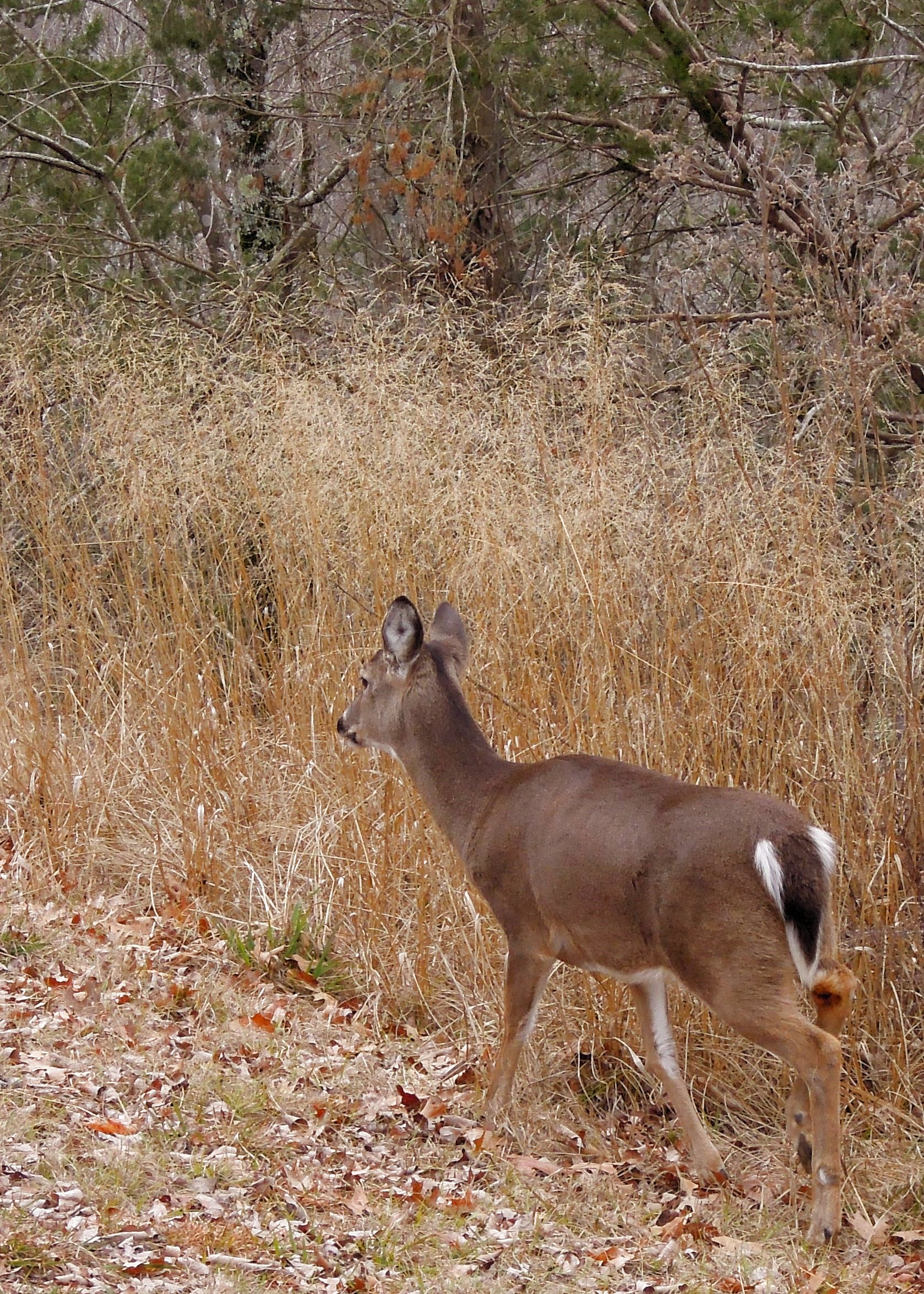
Many sportsmen believe that temperatures determine when the rut occurs, but that’s not true. In some years, much of the state might remain quite warm when deer begin breeding. In any given area, deer breed at essentially the same time every year, regardless of weather, moon phase or any other factors, but weather can determine daytime deer movements. During favorable weather, bucks might move more during daylight hours searching for does.
“There is only one main rutting period in a local area, but ‘second ruts’ commonly occur,” Johnson explained. “The second rut refers to any doe not bred during her first estrous cycle. This might also include doe fawns that sometimes become sexually mature within the hunting season. The second rut can be an indicator of an imbalanced buck to doe ratio in the area.”
Does determine when the rut begins. When hormone levels surge in a doe, she begins her estrous cycle. This drives bucks nuts, making them easier for hunters to find and target. During the rut, bucks seldom eat and do little besides breeding, chasing does ready to breed or fending off other bucks horning in on their territory or females. When looking for does to breed, even the wariest old white-tailed buck frequently commits incredibly stupid mistakes.
“Before does become receptive, go ‘in heat,’ or in estrous, bucks will fight with other bucks in the area for dominance,” Johnson elaborated. “Once a buck solidifies its dominance in an area, it will try to breed multiple does during the rut. Fighting for dominance can continue as more does become receptive.”
In Alabama, the rut occurs from mid-November into February, depending upon the location in the state. This difference dates to when deer populations in the state declined into the early 20th century. After centuries of unregulated subsistence and market hunting, coupled with severe habitat loss, barely 400,000 whitetails remained in the lower 48 states by 1900.
By the early 1900s, barely 2,000 whitetails existed in all of Alabama. In the 1930s, the state as well as some private individuals and organizations began relocating deer throughout Alabama. The state also brought in deer from other states and released them in suitable habitat to increase the herd. Restocking efforts continued through the 1960s.
“Alabama conducted extensive deer restocking during the middle of the 20th century,” Johnson said. “The genetics of the restocked deer remain the stronghold for the peak breeding times within their areas.”
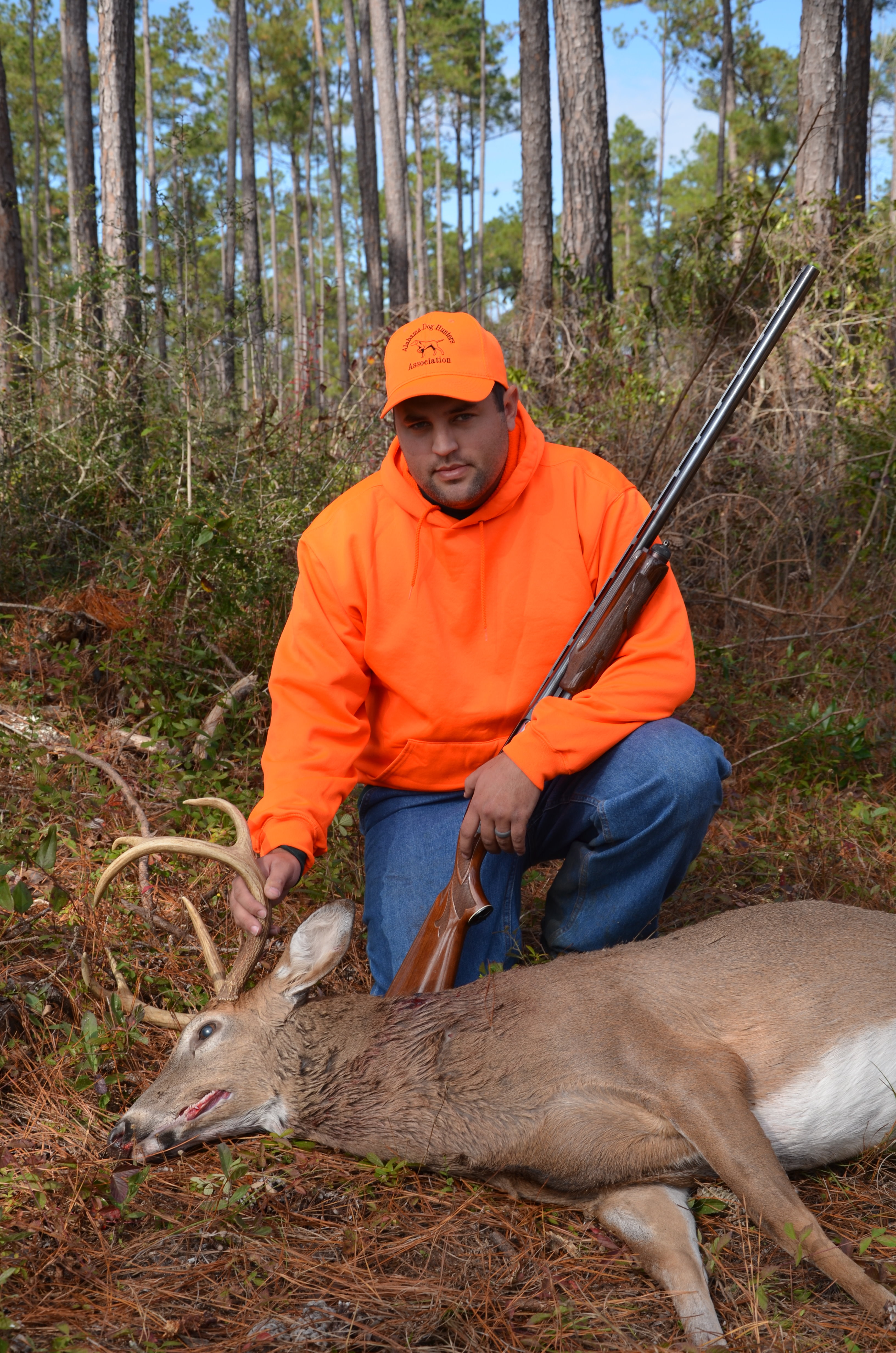
Most deer released in places with few or no deer came from parts of Alabama with adequate deer populations, but the state also imported deer from Arkansas, Georgia, Michigan, North Carolina, Ohio, Texas, Wisconsin and elsewhere. In addition, these restockings included as many as six different whitetail subspecies that retained their instinctive rutting habits and times.
For instance, in Deer Zones D and E in eastern Alabama, deer rut earlier than the rest of the state, from early November to mid-December. South of U.S. Highway 80 and west of Interstate 65, deer breed later. Some start breeding in mid-January, but most breed between Jan. 20 and Feb. 15. The peak occurs from late January through early February. For this reason, deer season runs into February in some parts of Alabama.
“In Zones D and E, the peak of the rut falls between November 10 and December 8,” Johnson advised. “In Zone B, south of Highway 80 and west of Interstate 65, the peak occurs from about January 25 through February 8. The peak of mature buck movement occurs right before and after the rut peak of the rut as bucks search for does in estrous. The pre- and post-rut periods are some of the most successful times for hunters across Alabama.”
Today, more than 1.5 million whitetails in habitat Alabama. They live in every Alabama county and just about every available patch of habitat in the state. Today, many Alabama counties alone report more deer killed every season than existed in the entire state more than a century ago.
To see a map of when deer rut in Alabama, visit www.outdooralabama.com/sites/default/files/Hunting/Deer%20Hunting/2019%20Alabama%20WFF%20Deer%20Rut%20Map.pdf.
For deer zone boundaries, season dates and other information, see www.outdooralabama.com/seasons-and-bag-limits/deer-season.
**********
An avid sportsman, Felsher is professional writer, photographer and radio show host who has written thousands of articles for many publications. He’s always looking for ideas or outdoors adventures that will make good stories. Contact Felsh at [email protected] or through Facebook. He also hosts an outdoors tips show for WAVH FM Talk 106.5 radio station in Mobile.