
BIRMINGHAM, Ala. – Fewer Alabama high school graduates earned a workforce-readiness certification through ACT WorkKeys in 2025, according to a new analysis from the Public Affairs Research Council of Alabama.
The decline comes as Alabama begins requiring high school graduates to earn at least one college- or career-readiness designation before receiving a diploma. Achieving the required level on WorkKeys is one way students can meet that requirement.
The decline does not necessarily mean students are less prepared for the workforce, PARCA noted. Schools may be relying more heavily on other college- and career-readiness options, changing the group of students who take WorkKeys.
“It’s unclear whether results reflect a change in performance or a change in the pool of students taking the test in light of shifting strategies to ensure all students earn a college and career ready (CCR) designation,” PARCA wrote in the report.
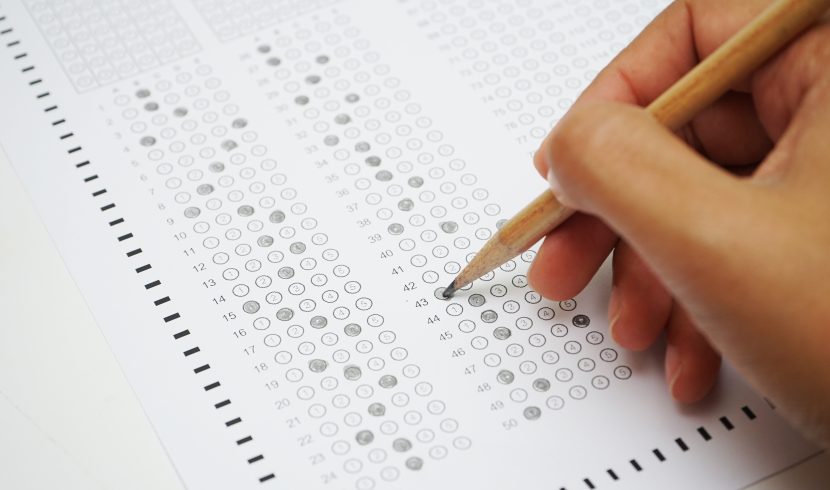
WorkKeys, developed by the same company that produces the ACT college entrance exam, measures foundational workplace skills through three assessments: Applied Math, Graphic Literacy and Workplace Documents.
Unlike the ACT, which is designed as a college entrance exam, WorkKeys measures how reading, math and problem-solving skills are used on the job. Some employers use WorkKeys scores when evaluating job applicants. Alabama has offered, but not required, the test to high school seniors since 2015 as one way students can demonstrate college and career readiness.
Students who score high enough can earn bronze, silver, gold or platinum certificates.
For Alabama’s college- and career-readiness measure, students must earn at least a silver certificate to be considered work-ready through WorkKeys.
The test could also become part of how Alabama high schools are judged under federal law. State education officials have asked the U.S. Department of Education for permission to add WorkKeys to Alabama’s high school accountability measures under the Every Student Succeeds Act.
Under that proposal, juniors would take both the ACT and WorkKeys beginning in the 2026-27 school year.
The report noted that a slightly higher number of students took WorkKeys in 2025 than in 2024, but those students represented a smaller share of the senior class. A smaller number and percentage of tested students scored high enough to earn silver, gold or platinum certificates, PARCA showed.
The report said 56% of tested students earned a silver certificate or higher in 2025, down from 59% in 2024 and 62% in 2023. The number of students earning work-ready scores also declined, from 21,481 in 2024 to 20,471 in 2025.
Since 2020, PARCA noted, participation in dual enrollment and career technical education has risen sharply. Students can also meet the state’s college- and career-readiness requirement by reaching a benchmark score on one subject of the ACT, making WorkKeys less central than it once was.
The report shows scores by district and by school. Click here to see scores for all districts and schools.
Among school systems, Cullman City Schools had the highest workforce-ready rate, with 87% of tested students earning silver certificates or higher.
Cullman High School Principal Allison Tuggle told PARCA the system’s performance reflects systematic preparation and efforts to help students understand the value of the test.
At the school level, Meek High School in Winston County and Loveless Academic Magnet Program in Montgomery County both had 100% of tested students score workforce-ready. But PARCA noted an important difference: Meek tested 33% of its students, while LAMP tested all students.
Montgomery’s LAMP also stood out for the percentage of students earning the highest level of certificates. Fifty-eight percent of LAMP students earned platinum certificates, the highest level on WorkKeys and 20 percentage points higher than any other school in the state. Statewide, 8% of tested students earned platinum certificates.
WorkKeys remains more widely used in some areas of the state, PARCA said, including west central Alabama, where economic developers and employers have promoted the test as a hiring tool. Jefferson and Shelby counties, by contrast, have lower participation.
The map below, created by PARCA, shows the percentage of students who took the WorkKeys and the percentage who earned the work-ready designation.

Note: The Alabama Department of Education does not release WorkKeys results publicly. PARCA receives the results directly from the department.