
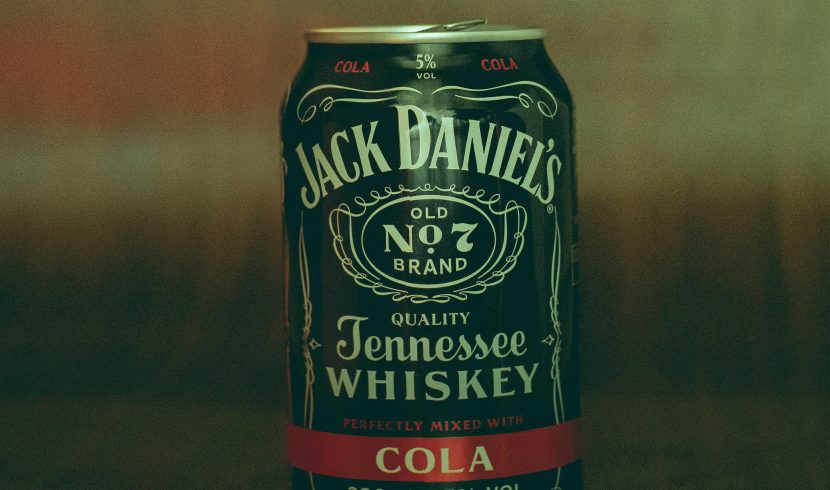
MONTGOMERY, Ala. — A years-long effort to expand the availability of ready-to-drink mixed spirits has gained newfound support among some stakeholders, with Sen. Bobby Singleton, D-Greensboro, the sponsor of the latest bill to achieve that goal.
“This is one of the most controversial bills that have been walking around here for about the last three or four years,” Singleton said, speaking last week during a public hearing for Senate Bill 268 during a meeting of the Senate Tourism Committee. “I know that 100% of all the people in the industry (are) not bought into this, but I think we’ve gotten further than we’ve ever gotten.”

Singleton’s bill would permit what are known as RTD spirits – premixed cocktails that are often sold in cans or bottles such as High Noon or Ranch Water – to be sold alongside beer and wine at gas stations and grocery stores. Under the bill, RTD spirits sold outside of dedicated liquor stores would also have an alcohol by volume cap of 7%, as well as a state-imposed tax of $.029 per ounce of product. It’s expected to be voted on in committee this week.
Where the bill struggled in the past was with how RTD spirits would be handled under the state’s franchise laws, which regulate relationships between suppliers and wholesalers.
Previous versions of the bill mandated that RTD spirit suppliers designate geographic areas as sales territories, requiring them to enter into exclusive franchise agreements with a licensed wholesaler for any given territory. Past versions also did not establish a clear license structure that allowed for existing soft drink or beer distributors to easily opt in.
While largely supported by beer distributors, the franchise language was fiercely opposed by the Alabama Beverage Association, which argued it to be too limiting.
While the latest iteration maintains franchise language, and in some cases strengthens it, it would also establish a new type of license category that would combine beer, wine and RTD spirits, and thereby, more easily allow soft drink wholesalers and distributors to enter the new market, flipping much of the industry’s position on the proposal from opposition to support.
“You will recall that our industry has been and continues to oppose versions of this bill which contain franchise language, which would restrict our company’s ability to sell these products,” said Virginia Banister, executive director of the Alabama Beverage Association, during the public hearing. “However, this bill contains compromise language that would allow us to openly distribute this new category of products.”
Jimmy Marston with Gulf Distributing Company, a beverage distributor with five warehouses across the state, also voiced his support for the measure, noting the compromise was sufficient enough to garner his endorsement.
“I don’t do a lot of politics, but you’ve got to compromise to get things moving forward sometimes, and that’s where we are,” Marston said at the public hearing.
The latest iteration of the bill had also swayed leaders at the Alabama Alcohol Control Board, which, while not outright supporting the bill, had its concerns with past versions addressed.
“At this point, I’m neutral on the bill the way it’s written, which is a change from the last couple of years where I had some real problems with it,” said Curtis Stewart, ABC Board administrator.
Stewart said that the ABC Board was comfortable with the new ABV cap of 7%. It took issue with past versions having caps as high as 12.5%. He also noted the additional resources provided to the ABC Board under the bill as a positive, with half of the proposed $.029 tax revenue being directed toward the agency for enforcement and regulation.
The bill has not gained universal support among stakeholders. A significant share of beer distributors have come out in opposition to the proposal, citing both the new license category and the inclusion of “fair market value” language, which would require a supplier, should they terminate a contract with a distributor without good cause, to pay the distributor the value of their business.
“All beer and wine wholesalers from across the state except for Gulf (Distributing) are opposed to both the House and Senate versions because of the ‘fair market value’ language,” said Donna Alexander, executive director of the Alabama Wholesale Beer Association, speaking with Alabama Daily News Monday via email.
“The franchise language in Title 28 governing alcoholic beverages in Alabama should remain unchanged. Deregulation of alcohol is never good for health and public safety. We would like these drinks to continue to be regulated as all other beer and wine sold in Alabama.”
On the other hand, retailers have largely maintained their support, citing a high demand for RTD spirits at their locations across the state.
“Customers are continuing to come in and ask for the products and not quite understanding why we can sell a Truly malt liquor in our stores, but not a Truly vodka,” said Andrew Virciglio, who manages 13 Piggly Wiggly grocery stores in the Birmingham area, at the public hearing.
Bart Fletcher, president of the trade association Petroleum and Convenience Marketers of Alabama, also remained steadfast in his support for the bill, and told ADN that he felt its latest iteration was strong enough to pass through the Legislature this year.
“This is enough of a majority (of support) of the people involved in this industry in the wholesale and retail of these products, the ABC Board is in agreement with the concept of this bill, we don’t need to be keeping these products away from consumers that want them simply because of a small minority,” Fletcher told ADN.
“We’re never going to get to a 100% (support), so let’s go ahead and move this bill forward, and that’s our hope.”
The House version of the bill, carried by Rep. Craig Lipscomb, R-Gadsden, is scheduled to be voted on in the House Economic Development and Tourism Committee on Wednesday.
Singleton later told ADN that while the franchise language in his bill continued to be a matter of contention among various stakeholders, he believed it was time that access to RTD spirits be expanded in the state, regardless of the remaining opposition.
“I think that we can’t just continue to sit on the sideline and let one or two of the big cats, who don’t have a product and want to control the entire industry, stop everybody else from getting this product,” he told ADN. “I’m willing to continue to push through whether they’re on board or not.”