
MONTGOMERY, Ala. – Republican challengers ousted one GOP incumbent and sent another to a runoff in Alabama Public Service Commission races.
The down-ballot races are usually relatively quiet, but the role of the PSC has been elevated this year after a major legislative effort to overhaul its structure and rein in electricity rates became one of the most high profile issues of the session.
Cullman County Sheriff Matt Gentry crushed longtime incumbent Jeremy Oden with 311,845 votes, or 74.9%, as of Wednesday afternoon in the race for Place 1.
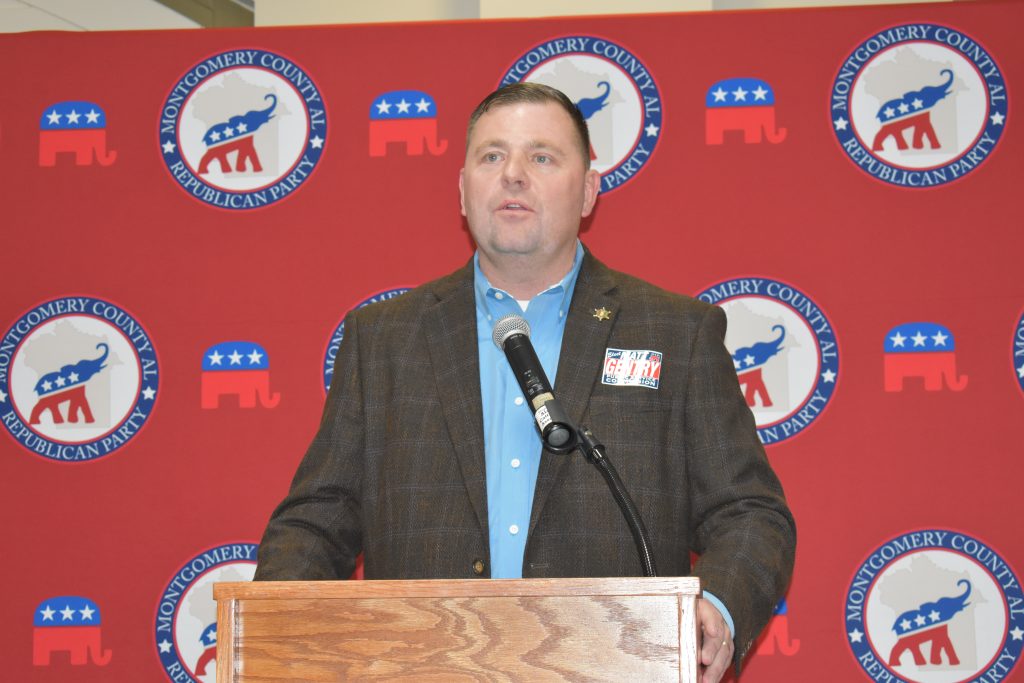
Oden earned 104,541 votes, or 25.1%. He has served on the PSC since 2012.
Gentry will meet former Democratic state Rep. James Gordon in the November general election.
Gordon won the three-person Democratic primary with 187,983 votes, or 57.8%. Jeff Ramsey and John Northrop came in second and third place with 87,510 and 49,924 votes, respectively.
Attorney Jim “Zig” Zeigler forced incumbent Chris Beeker to a runoff for Place 2, earning 189,724, or 44.8% of the vote. Beeker won 103,835 votes, or 24.5%.
Gov. Kay Ivey appointed him to the commission in 2024.
Brent Woodall came in third place with 77,185 votes. Priscilla Andrews came in last with 52,371 votes.
Sheila McNeil ran unopposed for the Place 2 Democratic nomination. The winner of the runoff will meet her in the general election.
The PSC, seemingly out of nowhere, became one of the biggest issues during this year’s legislative session. The panel is charged with regulating state utilities, including Alabama Power and Spire gas company, as well as railroads and ride-share companies like Uber and Lyft. But it was public concern over high electricity rates that compelled lawmakers to dive into the issue.
A month into session, the House was rallying support to overhaul the state’s Public Service Commission, changing it from an elected to an appointed body. Pushback quickly mounted against the idea of appointed utility regulators and that proposal was shelved, but state leaders still wanted to pass something to help rein in energy prices.
While some House members were supportive of legislation requiring formal rate hearings every three years and curtailing utilities’ profits, the end product was a Senate proposal to expand the elected board to seven, create a new cabinet-level secretary of energy and pause rate increases until Jan. 1, 2029.
The legislation allows for formal rate hearings if the secretary or most commission members call for them. It also mandates less formal annual informational public meetings.
Ivey signed the bill the day after lawmakers passed it in March.
The runoff is June 16. The general election is Nov. 3.