
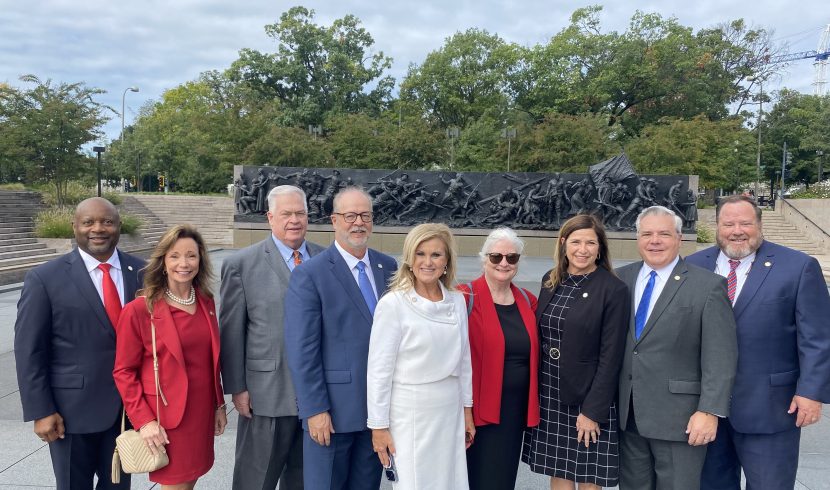
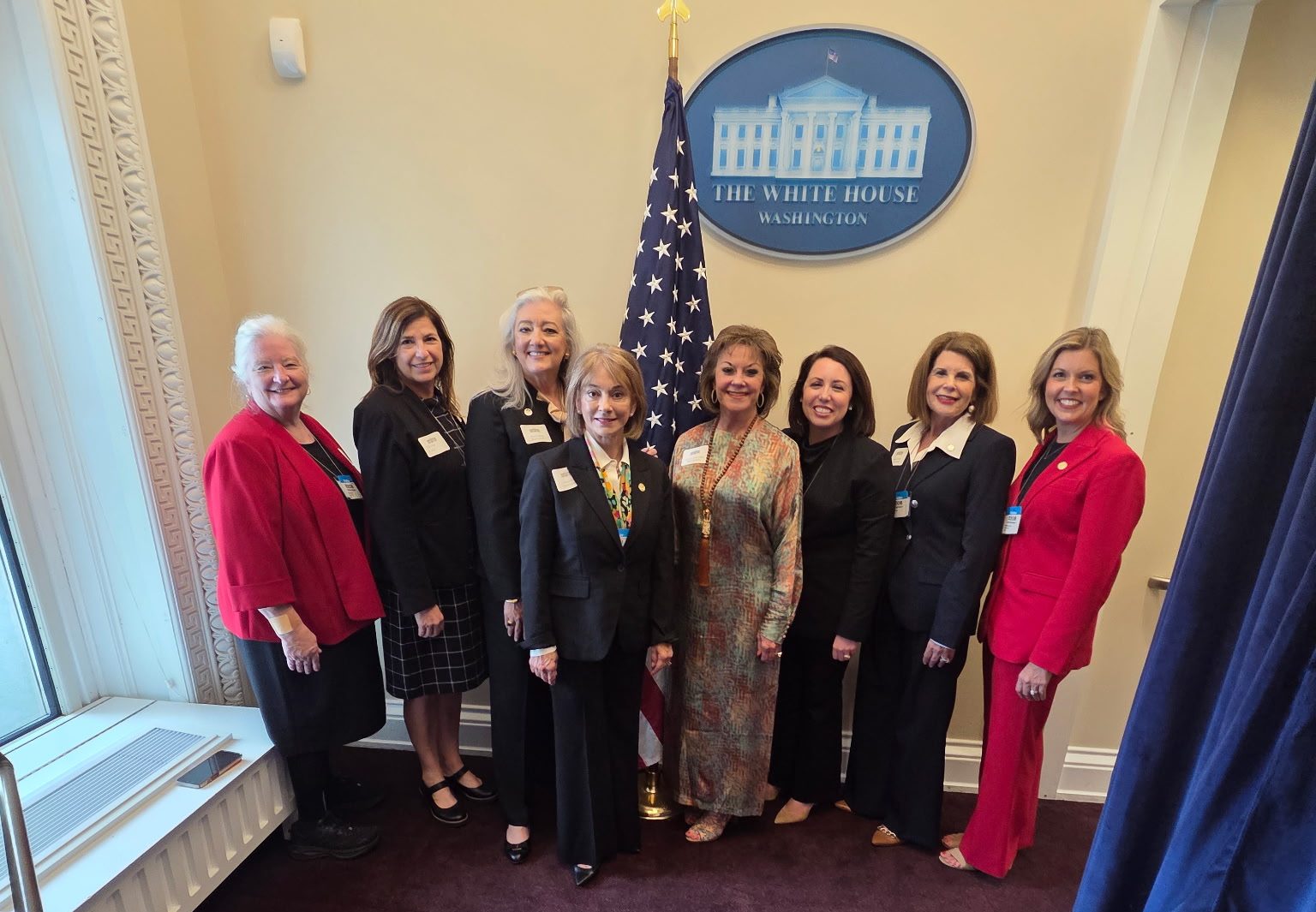
WASHINGTON — State lawmakers conveyed the economic pain Alabamians are facing to Trump administration officials this week during a visit to the White House.
A group of about 40 Republican lawmakers from the Alabama Legislature and representatives from Gov. Kay Ivey’s office participated in the White House State Leadership Conference on Tuesday. They heard from leaders of different agencies, including Energy Secretary Chris Wright, to trade ideas and learn how the federal and state governments can help one another.
But the Alabama Republicans also used the conference as an opportunity to relay a message on how Alabamians are struggling to pay their bills and fill their cars with gas right now amid the Iran war.
“Get it taken care of because our people are hurting,” State Rep. Susan DuBose, R-Hoover, told Alabama Daily News. “So they need to hear that from us. Any kind of pressure that we can put on them to move things along. We want them to hear that.”
DuBose said she believes President Donald Trump is “working his plan” to help bring economic relief, but she added, “we’re still concerned.”
From the briefings in the Eisenhower Executive Office Building, State Rep. Cindy Myrex, R-Cullman, said her takeaway was that the country is in the middle of a “correction period” as it navigates the Iran war.
“So he’s gonna try to get us out of there as quick as he can. We’re gonna try to get these prices down,” Myrex told ADN. “But they did have a clear understanding after (Tuesday) that we are the front line to the people in Alabama telling us it’s painful right now. And I think they felt that from us.”
The face time with the administration officials let the Republican lawmakers share how big of an issue affordability is for people they serve in Alabama right now. It also let them hear from the administration on how they planned to handle the issue.
As the midterms approach, State Rep. Ginny Shaver, R-Leesburg, acknowledged that the White House could not do much to address energy prices ahead of November and that in the interim “it’s going to be tough.’
“I just want him to finish the job so that the world is not living under the threat of a nuclear Iran,” Shaver told ADN. “Help is on the way. We’ve got oil coming from Venezuela. It’s just gonna take a while.”
High diesel prices are also plaguing Alabamians, especially farmers, as they hit a record in September at about $6.16 per gallon.
The Republicans pointed to Ivey’s decision to shift the Alabama Law Enforcement Agency away from penalizing commercial vehicles for using dyed diesel fuel for four months as a positive step toward alleviating some of that pain.
For one of the newest lawmakers in the Alabama Legislature, the discussions in Washington allowed her and other lawmakers to strengthen their relationships with federal government leaders, State Rep. Kristin Nelson, R-Lanett, said.
“My biggest takeaway was just the responsiveness and just the partnership that we have because without them, there’s a lot that we couldn’t do in the state and vice versa,” Nelson told ADN. “Being able to have transparent conversations with the different agencies and departments was just huge.”
SNAP
The start of the new fiscal year on Thursday means Alabama and states will begin paying for a higher share of the administrative costs associated with food assistance.
Under the Republicans’ massive tax and spending law passed last year, the financial shift to states is increasing by 25% on Thursday, making the state’s total administrative share for the Supplemental Nutrition Assistance Program now 75% or about $35 million in Alabama. The federal government previously covered half of the administrative costs.
But the state is also preparing to confront an even bigger SNAP price tag next October when it becomes responsible for a share of food benefit costs based on its payment error rate. In Alabama, the benefits are expected to cost around $175 million. The state’s most recent error rate is 9.52%.
“That’s a huge issue for us,” Shaver said.
So, the representatives used their conversations with Trump officials to urge either a one- or two-year delay or a reduction in penalties for the cost-share requirement.
“We want to correct it. We want to do the right thing,” DuBose said, referring to Alabama’s error rate of 9.52%. “It just takes time. You can’t turn it around overnight.”
In the Senate, Republicans have proposed a one-year delay of the SNAP cost share in the farm bill. But Democrats have rejected it, arguing it’s not sufficient and instead they want a two-year delay included in the agricultural legislation.
It’s unclear if Congress can pass a new farm bill before the end of the year, which would dash hopes that it could be used as a vehicle to delay the new SNAP costs.
Touting Alabama wins
As Alabama has welcomed Eli Lilly, US Steel and Hadrian investments, among others, the lawmakers said the Trump administration officials also bragged about the state’s recent successes.
“There’s a lot of areas where Alabama is leading,” DuBose said. “Look at this career tech pathway. We are one of the leaders in career tech, people coming from all over the nation to look at what we’re doing.”
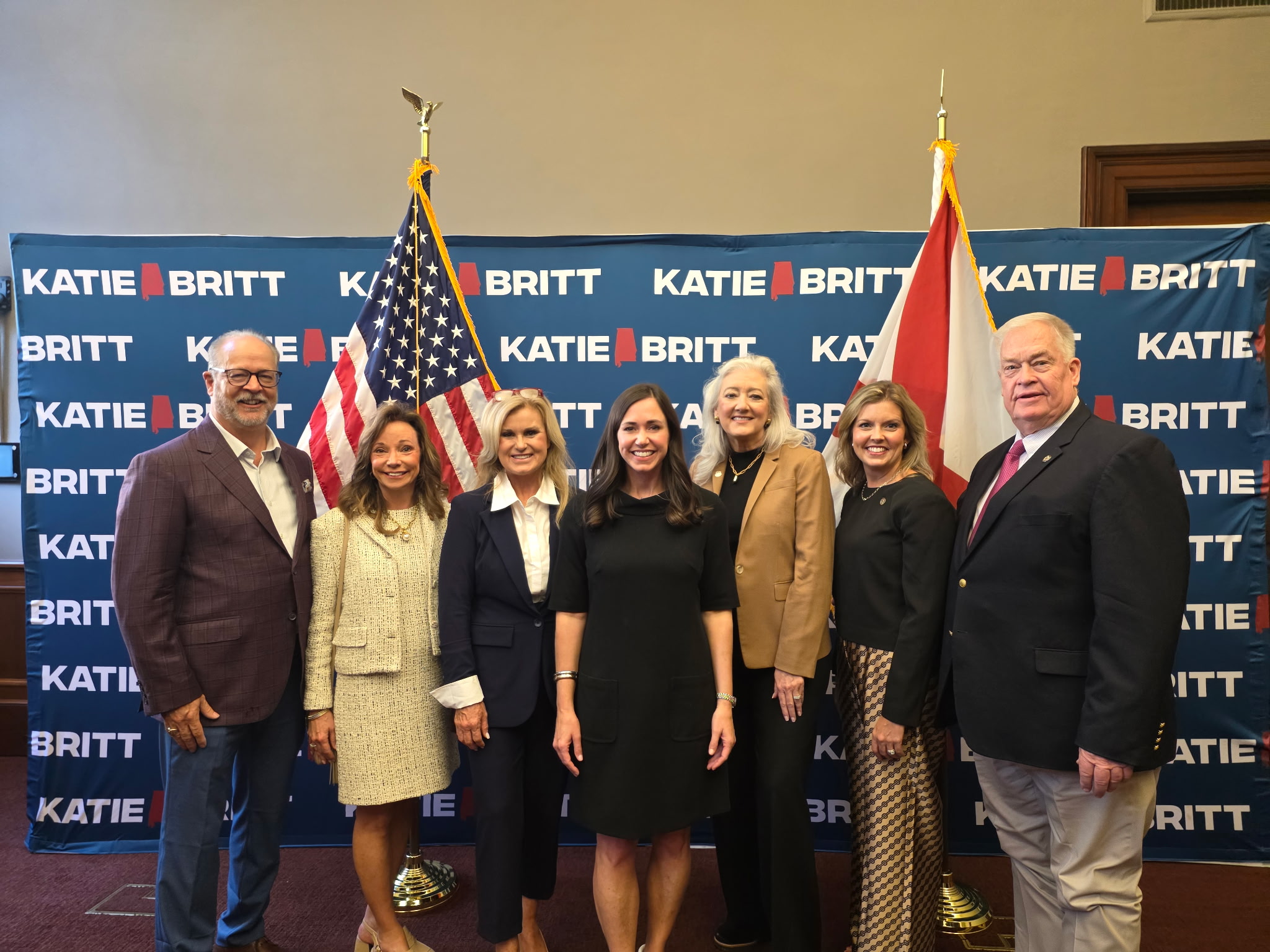
U.S. Sen. Tommy Tuberville, R-Ala., also spoke to the group along with Alabama native Cliff Sims, a national security adviser for Vice President JD Vance, among other Trump officials. They also visited with U.S. Sen. Katie Britt, R-Ala.