
On Tuesday night, the U.S. House of Representatives is scheduled to begin reviewing and amending the budget reconciliation bill. On the table is a proposed cut of 230 Billion Dollars to the SNAP program.
In our state, Alabama DHR administers one of the most efficient and well-run SNAP programs in the country. SNAP’s quality control system has been called the “most rigorous of any public benefit program.” With that, SNAP is a program that helps our neighbors in need. 87% of SNAP participants are in households with a child under age 18, a senior, or an individual who is disabled. Those not in those groups spend on average one year on SNAP; it is a transitional program to help folks in a crisis. SNAP is a model of efficient and effective policy.
Cuts at this scale would leave Alabamians hungrier, less healthy, and with less access to grocery stores.
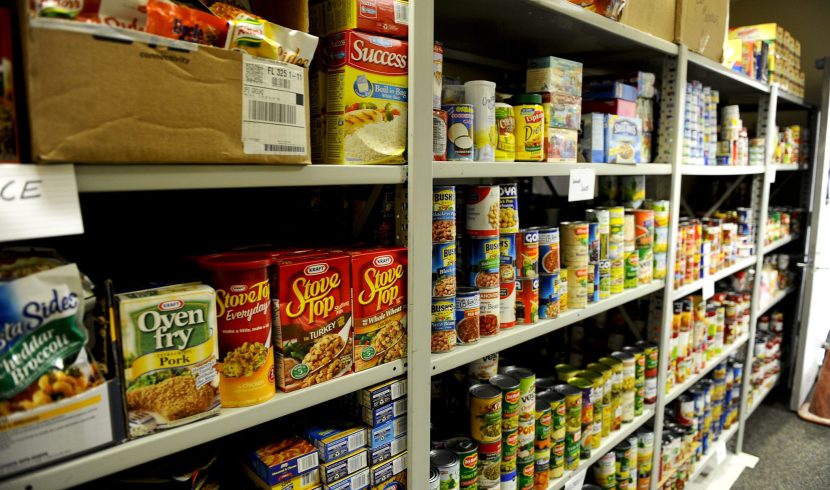
Alabamians are struggling, and food banks and pantries are struggling along with them. To give some context on the strain put on the charities in Alabama, our network went from distributing 61 million pounds in 2019 to 90 million pounds in 2024, and the demand for help continues to grow. Food insecurity affects every aspect of our community and unfortunately in Alabama the problems of hunger are widespread and growing. For each meal provided by a local charity, SNAP provides 9 meals. If 230 billion dollars are cut from the SNAP program, there is no back up plan. The foods and pantries that are already bending under the strain have no capacity left to meet such a massive increase in need.
- In Alabama 1 in 7 individuals (740,000) turn to SNAP out of sheer necessity. The benefit amount is roughly $2.00 per meal.
- Veterans: In Alabama alone, over 23,000 veterans are using SNAP benefits to feed their families.
- SNAP is incredibly important to our state economy. For every SNAP dollar, $1.80 is generated in our economy. In Alabama, almost 5,000 authorized retailers participate in SNAP. They redeemed about $2.1 billion in SNAP benefits in 2023. If Alabama loses SNAP, the state would lose hundreds of rural grocers. These changes wouldn’t just hurt the individuals who rely on the program — low-income families, seniors, children, and people with disabilities — but would also have serious ripple effects throughout our local economies.
- If Congress shifts a 10% share of the cost for SNAP to our state, Alabama would need to spend $190 million dollars to make up the difference.
We appreciate our Congressional Delegation for their support of Alabamians, and hope that they continue to strengthen this essential program.
Laura Lester is the CEO of Feeding Alabama, which assists the food bank network in obtaining more food and funds, fosters public awareness of food banks’ mission and creates partnerships to alleviate hunger in Alabama.