MONTGOMERY, Ala. — A bill that would consolidate the management of 19 of Alabama’s dozens of occupational licensing boards advanced Tuesday in a Senate committee, albeit with some pushback from the Alabama Private Investigations Board.
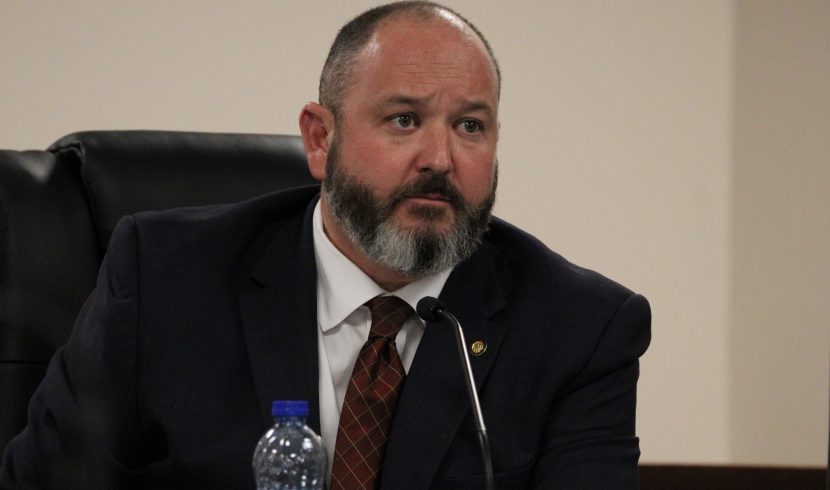
The bill, Senate Bill 193, is the third attempt from Sen. Chris Elliott, R-Josephine, the bill’s sponsor, to establish greater oversight of some of the state’s occupational boards, which regulate, issue licenses and impose fees for various industries throughout the state.
The state’s occupational boards have drawn increased attention from lawmakers in recent years due to repeated instances of noncompliance, including boards violating open meeting laws or issuing fines higher than what state law permits. Members of the Sunset Committee, which reviews the operations of the state’s occupational boards and authorizes their renewals, highlighted multiple instances of noncompliance last summer among the boards of pharmacy, dental examiners and medical examiners, among others.
“The sunset reports are a mess, they are embarrassing; they’re embarrassing to the state, they’re embarrassing to the licensee, and they’re embarrassing to a lot of the board members,” Elliott said, speaking at the meeting of the Senate Committee on County and Municipal Government, which he chairs.
Under the bill, 19 boards would see their administrative services, which are currently contracted out to be performed by an entity in the private sector, operated by a new entity under the Alabama Department of Workforce. A new executive director and deputy directors would be appointed to manage the boards’ operations, and as a government entity, Elliott argued, would eliminate the incentive to increase fees and fines.
Sen. Greg Albritton, R-Range, said that while he took issue with the bill conceptually, he admitted no other solution had presented itself as to how to address the repeated instances of noncompliance among the state’s occupational boards.
“We’re creating another bureaucracy to watch over the bureaucracy,” Albritton said. “I’ve seen this operate in other states and it has not been pretty, so I’m concerned with that, but other than that, we’ve got to get control of things in some way. So I don’t like it and it’s bitter, but I don’t have a better solution.”
A public hearing was held during the meeting, during which Jim Casteel, an investigator and vice chair of the Alabama Private Investigation Board, spoke out against the proposal, arguing that it would take too much authority away from boards that have operated largely without issue.
“You speak of the need for this kind of oversight, and I do appreciate that, there are boards that need that, but ours is not one of them,” Casteel said. “The only finding on our board was pertaining to paying our executive director at the beginning of the month rather than at the end of the month, which is a process that started way before this executive director took over this board.”
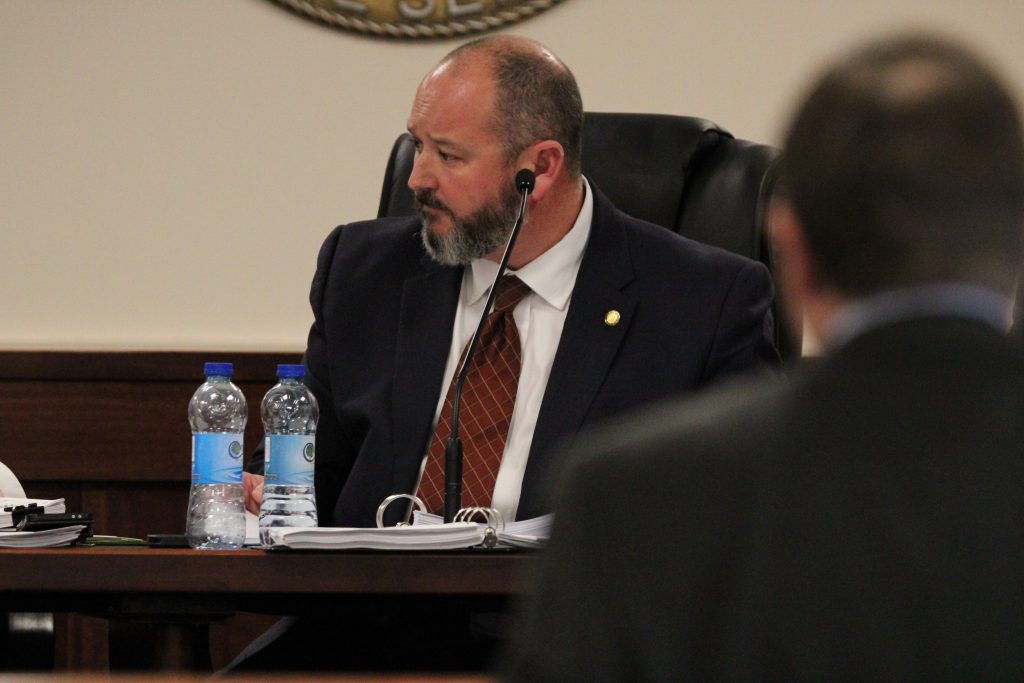
Casteel also added that the authority for the board to set its own fees would be stripped away, to which Elliott confirmed.
“That is correct, those fees are going to be set by the new director, and they may not exceed what is required to operate the board, and so you can see that potential for savings there,” Elliott said.
“You see boards raising fees, you see spikes in fines because they’re trying to make up and find the money for their contract that they have with somebody else; (this bill) removes that incentive, it removes the incentive to fine and fee and increase licenses, there’s not that incentive anymore.”
Casteel later expanded on his concerns with the bill to Alabama Daily News, arguing that the proposal put too high a burden on a single government official.
“Now, instead of the executive directors working for these appointed boards, the executive director has complete control over several boards, and if that executive director is not up to par and doesn’t do their job, all the boards suffer,” Casteel told ADN.
Others spoke in support of the measure during the public hearing portion of the meeting, including Kristie Williams, a licensed massage therapist from Winston County.
“Like Sen. Elliott said, this doesn’t create new government, it enforces proper management of existing government, and I for one have been privy to the improper management,” Williams said. “So to say that SB193 is needed is an understatement. As a licensee who’s been in the trenches under a board that was sunset and reconstituted due to mismanagement and blatant law violations by a private management company, I will say that SB193 is a breath of fresh air.”
Sen. Linda Coleman-Madison, D-Birmingham, a member of the committee, proposed introducing an amendment to the bill that would see it sunset at some point. Elliott said he would be open to discussing the inclusion, though no amendment was ultimately offered, and the bill was given a favorable report.
It now goes to the Senate.