
Bills pending in the Alabama Legislature would give the Alabama Board of Pardons and Parole more decision-making authority over parole revocations and modify the current law that doesn’t require a conviction to send people back to prison after arrests.
Senate Bill 254 by Sen. Sam Givhan, R-Huntsville, is awaiting consideration on the Senate floor. Rep. Laura Hall, D-Huntsville, is carrying the House version of the bill. The House Judiciary Committee will consider it this week.
Givhan recently told the Senate Judiciary Committee, where the bill easily got its first favorable vote, the measure needed to give the board more discretion over the revocation of paroles based on the totality of facts. Currently, an arrest is enough for an automatic revocation.
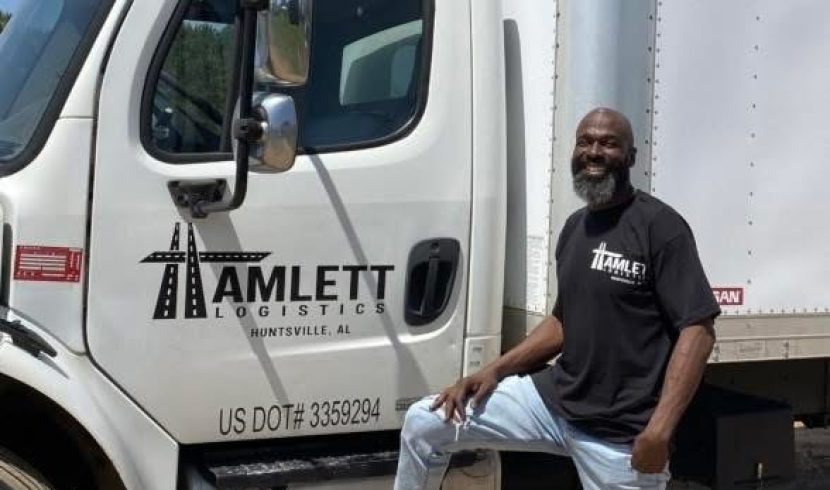
Givhan retold the story of one of his constituents, Archie Hamlett, who was convicted as a young man to life in prison for marijuana trafficking and served 22 years in prison before being paroled in 2017. He is a post-prison success story, starting a trucking business with an education he received while incarcerated. He bought a home and property in Madison County. He restored vintage cars in his free time.
Hamlett had been on parole for about eight years when he was stopped by police during icy weather in 2024 for an alleged traffic violation. While pulled over, he told officers he had a medical condition that made him urinate frequently and he asked to retrieve a portable urinal from the back of his truck. He was told no.
He walked away from his vehicle to urinate in the darkness, Givhan said, and was charged with, but never convicted of, public lewdness, a misdemeanor.
“The parole board was unable to consider the hearing officer’s recommendation and had no choice but to revoke Archie for the balance of his life sentence,” Givhan said. “He has been in jail for over a year now.”
Givhan said it’s absurd that the state could spend money keeping Hamlett in jail for decades.
“… He is in jail for the rest of his life for taking a leak in the nighttime,” he said. “There’s got to be a reasonable approach to this.”
Alabama Bureau of Pardons and Paroles Director Cam Ward said the legislation from Givhan and Hall is “absolutely” needed.
The parole board was created nearly 100 years ago, he said, but various laws have handcuffed it, Ward said.
“(The bill) leaves in place current law that says there’s mandatory revocation for (offenders who commit violent crimes),” Ward said. “What (Givhan and Hall) are trying to do is give discretion back to the board so they don’t have to mandatorily revoke certain people.”
The biggest issue, like what ensnared Hamlett, is that even if charges against a parolee are later dropped or he’s found not guilty, current law requires parole be revoked, Ward said.
“It’s terrible,” he said.
The three-member parole board is appointed by the governor from candidates selected by the lieutenant governor, speaker of the house and senate president pro tem. They’re then confirmed by the Senate.
“You need to be able to say you trust the board’s discretion,” Ward said. “With all these laws in place, why even have a board?”
Hamlett’s story has been told by Alabama Appleseed Center for Justice in its advocacy for reform.
Executive Director Carla Crowder said the group was motivated to dig into the issue of unnecessary revocations after it heard repeatedly from incarcerated people who had been safely living and working in their communities, had done well on parole for years, then were suddenly sent back to prison for minor charges or even false allegations made during a family dispute.
“These revocations made no sense if we care about public safety and growing the Alabama workforce,” Crowder told Alabama Daily News. “It should not be automatic to take away a working man’s liberty.
“Archie Hamlett is a prime example. He was a businessman serving an important need as a commercial truck driver in booming Madison County. He purchased and renovated a home from someone in bankruptcy. And he was embarking on the development of senior housing on his land. All this during eight years on parole.”
Hall spoke about Hamlett on a recent appearance on APT’s Capitol Journal.
“It would allow pardons and parole to have an opportunity with all of the evidence, to be able to look at the cases and make sure the individual isn’t penalized,” she said.
Hall said she’s been meeting with those who have concerns about the bill, including district attorneys.
“I’m looking forward to getting the bill passed,” she said.
Hamlett’s first parole hearing since being sent back to prison is next month.
“I speak to him almost every week, and astonishingly, he has not complained at all about the conditions in Easterling (prison), even though staffing is so short that the dorm is locked down and incarcerated men must beat on the windows to get attention when someone needs medical help,” Crowder said. “From prison, he’s maintained his trucking business, with help from family.
“And he’s just encouraged that his situation might make things better for other people if this bill passes. He’s truly remarkable.”