
MONTGOMERY, Ala. – Both houses of the Alabama Legislature have passed a bill to limit non-disclosure agreements in civil cases of sexual abuse.
Senate Bill 30, by Sen. Matt Woods, R-Jasper, and House Bill 93, by Rep. David Faulkner, R-Mountain Brook, are part of a national effort to pass “Trey’s Law,” named for Trey Carlock.
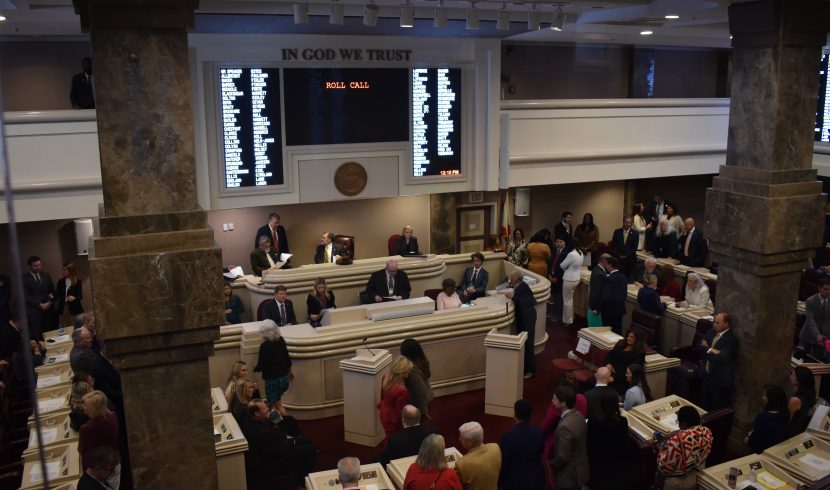
“(Non-disclosure agreements) were created to protect trade secrets, intellectual property and confidential data but have since been misused to suppress survivors’ stories and shield bad actors from accountability,” Faulkner said when introducing his bill on the House floor Thursday. “(But) NDAs in sexual abuse, sexual assault and trafficking settlements have become a lawful form of hush money.”
Carlock, who grew up in Dallas, was abused at Kanakuk Camp in Branson, MO., when he was a child. His abuser, camp leader Pete Newman, was sentenced to multiple life sentences in prison. Carlock later sued the camp, and the settlement in his civil case included a restrictive NDA.
Carlock’s sister, Elizabeth Phillips, is behind the Trey’s Law effort to enact state laws against NDAs in cases of sexual abuse. She’s previously said that because of the NDA, her brother was afraid to discuss his abuse even for therapeutic reasons.
“(House Bill 161) would ensure survivors can share their stories without fear of legal repercussions,” Faulkner said.
The legislation says, “any provision of a nondisclosure agreement, confidentiality agreement, employment agreement, settlement agreement, or any other type of agreement that prohibits an individual or entity from disclosing an act of sexual abuse or facts related to an act of sexual abuse to another individual or entity is void and unenforceable.”
It would apply to sexual assault and abuse crimes committed against adults and children and human trafficking crimes. If enacted, the bill would be effective for any agreements entered into or amended on or after Oct. 1, 2026.
California, Missouri, Tennessee and Texas have already passed Trey’s Law, and a Trey’s Law bill has been filed in Oklahoma.
The House approved it by a vote of 98-0 and the Senate by a vote of 29-0.
The bills now head to the opposite houses.