
We tell young people that education is the key to unlocking opportunities and success, and that advice still rings true, but we must consider how we define “education” in the current competitive landscape. Rather than simply preparing students to turn their tassels on graduation day, a quality education must lay the groundwork for a lifetime of long-lasting, well-paying, 21st Century jobs.
Whether they enroll in college or head straight to the workforce, our students should possess the tools to succeed in their new chapter, and that is why Alabama must continue expanding career technical education and building school‑to‑workforce pathways.
Every student from every zip code and economic background deserves access to a quality education that opens doors and leads to abundant opportunities in the workforce.
For decades, conventional wisdom claimed that college is the only path to success, and while higher education remains an important and valuable option, we understand today that it is not the only one. In fact, some of Alabama’s fastest-growing and best-paying careers are centered around skilled trades, manufacturing, and technical fields.
Our job is to make sure students know about these opportunities and are prepared to navigate and embrace them.
As someone who represents a largely rural district, I know firsthand that opportunity is not always evenly distributed. Many students in small towns have historically faced a lack of access to the training and resources they need, but in recent years, we have recognized these gaps in opportunity, and I am encouraged by the ongoing work to fill them.
For all Alabama students to secure access to career tech programs, we must have teachers and certified classroom instructors working in every city, town, and crossroad across the state, and I remain energized by the substantial progress we have already made.
A new expedited certification program is motivating experienced teachers to relocate to Alabama and provide our classrooms with advanced technical instruction, which allows our students direct access to educators and mentors with a wide breadth of industry knowledge.
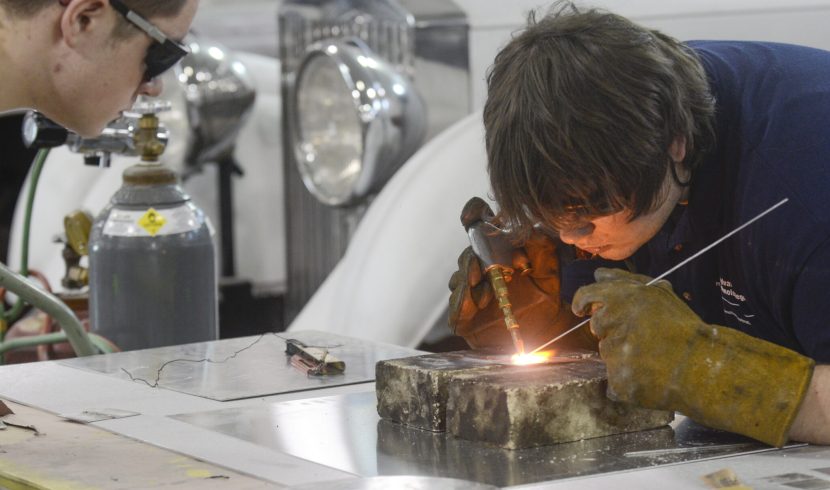
We know that career tech education and hands-on experience are essential tools in preparing students for the workforce. Providing insight into their future careers by connecting them with people currently working in the industry is an invaluable component.
Partnerships resulting from the Talent Readiness and Industry Needs Act, commonly known as the TRAIN Act, connecting industry professionals employed by local businesses to our schools and regional workforce training centers to teach career tech education courses, which also enables students to receive advanced instruction from tradespeople working in high-demand fields.
Achieving all of this progress and innovation requires partnerships, cooperation, and effort from both public and private entities, and building effective education pathways demands strong collaboration among teachers, employers, policymakers, the Alabama State Department of Education, and hardworking, everyday Alabamians.
Businesses in Alabama know what skills they need, and our schools know how to teach them, so when these groups from all corners of the state partner together, we create systems that work for students and for the local economy.
We all share the same goal. When an Alabama student graduates high school, they should feel confident and assured in their next chapter, whether that means college, technical training, or entering the workforce directly.
Together, we can build a future for Alabama that ensures our best days still remain ahead.
Garlan Gudger is the President Pro Tempore of the Alabama State Senate.