
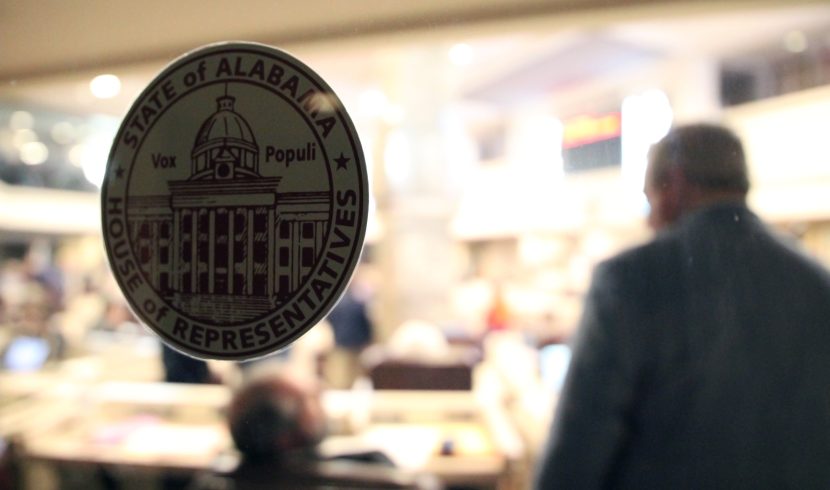
MONTGOMERY, Ala. — In the waning days of the 2026 legislative session in Alabama, the fate of several key bills remain uncertain, including bills on illegal immigration and bail reform, though their sponsors remain hopeful they can push their proposals across the finish line before time runs out.
House Bill 3, for instance, which would mandate enhanced criminal penalties for undocumented immigrants convicted of felony crimes against minors, still requires passage in a Senate committee, the Senate floor, and then finally concurrence in the House. It’s sponsor, Rep. Chip Brown, R-Hollinger’s Island, said he’s prepared to refile the bill again next year, but was still hopeful it could reach the governor’s desk this year.
“I’m optimistic, but we’re running out of time,” Brown told Alabama Daily News last Thursday outside the House floor at the Alabama State House in Montgomery.
“So I’m prepared to look at possibly refiling that bill next year if we come short, that might happen. We’ve got some hurdles to come across, but we’ll see how that goes.”
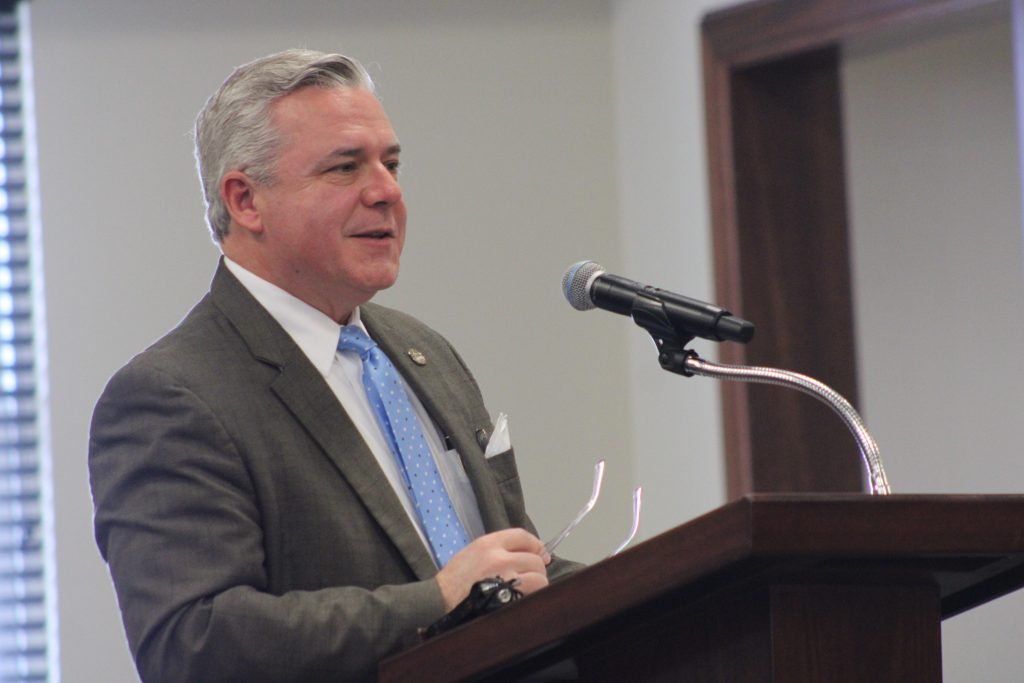
The bill was among around a dozen bills targeting illegal immigration that have been introduced this year by Republican lawmakers. None of the bills targeting illegal immigration have been signed into law yet, though some have progressed further than others.
House Bill 304, carried by Rep. Jamie Kiel, R-Russellville, would authorize the impoundment of vehicles operated unlawfully by Alabamians without a driver’s license, and only requires final passage in the Senate, and concurrence in the House were the Senate to modify the bill. The same is true for House Bill 302, carried by Rep. Ben Robbins, R-Sylacauga, which would require labor brokers recruiting six or more foreign workers per year to use the federal E-Verify program.
House Speaker Nathaniel Ledbetter, R-Rainsville, recently predicted a smooth end to the session that he anticipated concluding as early as May 8. Last Thursday, he told reporters that this Tuesday, his focus would be on advancing a flurry of House bills, the lower chamber’s last opportunity this session to advance them.
“I think we’re at that point now where we’re getting in the short rows, and after Tuesday, we won’t be able to pass any more House bills, we’ll have to move the Senate bills, so I think you’ll see a pretty heavy (week),” Ledbetter said.
“We’ll kind of mix it up Tuesday, we’ll have probably a heavier number of House bills to try to give our members a chance on those bills that have not gone out… when we come back on Thursday, everything from then to the (conclusion of the session) will be all Senate bills.”
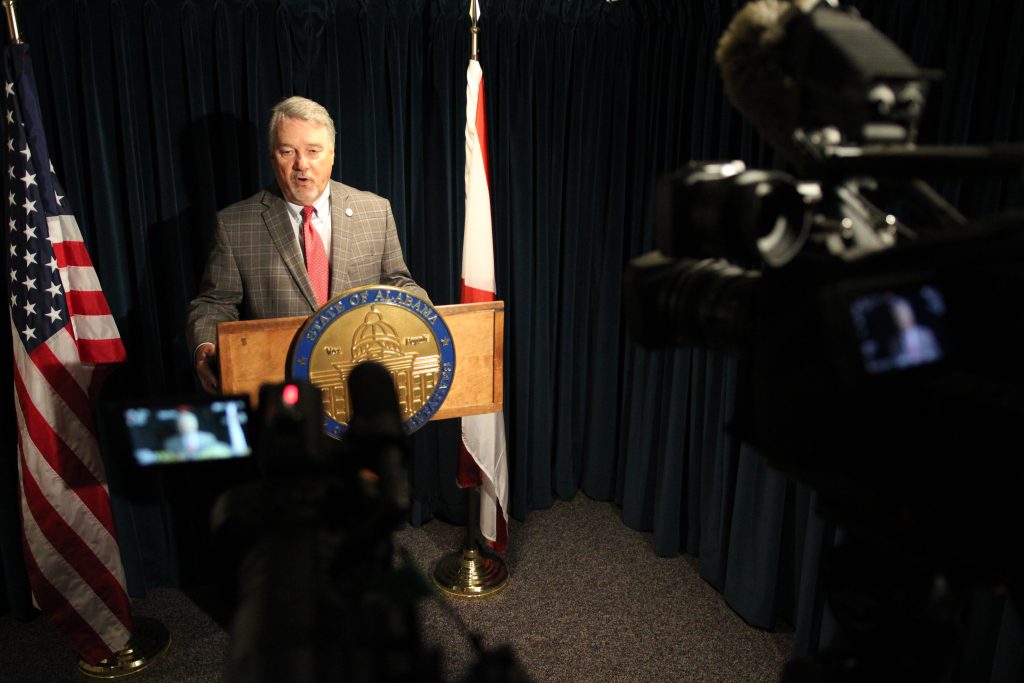
A longstanding effort to reform Alabama’s cash bail system, led by Rep. Chris England, D-Tuscaloosa, is also being pressed for time. House Bill 42 would grant judges the discretion to accept less than the total bail amount in exchange for an arrested person’s release, something England has touted as a tool to help reign in the bail bondsmen industry, which he attests has gone too unregulated.
The bill passed out of the House in mid-April, but has yet to be voted on in a Senate committee. A public hearing for the bill was held last Thursday in the Senate Judiciary Committee, during which Chris McNiel, president of the Alabama Bail Bond Association, voiced his strong opposition to the proposal, claiming there to be increased public safety risks were arrested individuals afforded the ability to be released on bond more frequently.
McNeil has previously told ADN that while risks to public safety from HB42 were a legitimate concern for bail bondsmen in the state, their concerns were also a matter of lost revenue.
“Just like any other business, if you’re losing a customer base it affects a business,” McNeil previously told ADN. “…The customer base for bail bondsmen is anybody that’s been arrested or anybody that may be arrested.”
England told ADN Friday that he hoped to see his bill be voted on in a Senate committee on Wednesday, after which, were it to pass in the Senate on Thursday, and be concurred with by the House were the upper chamber to modify the bill, it still could be signed into law this year.
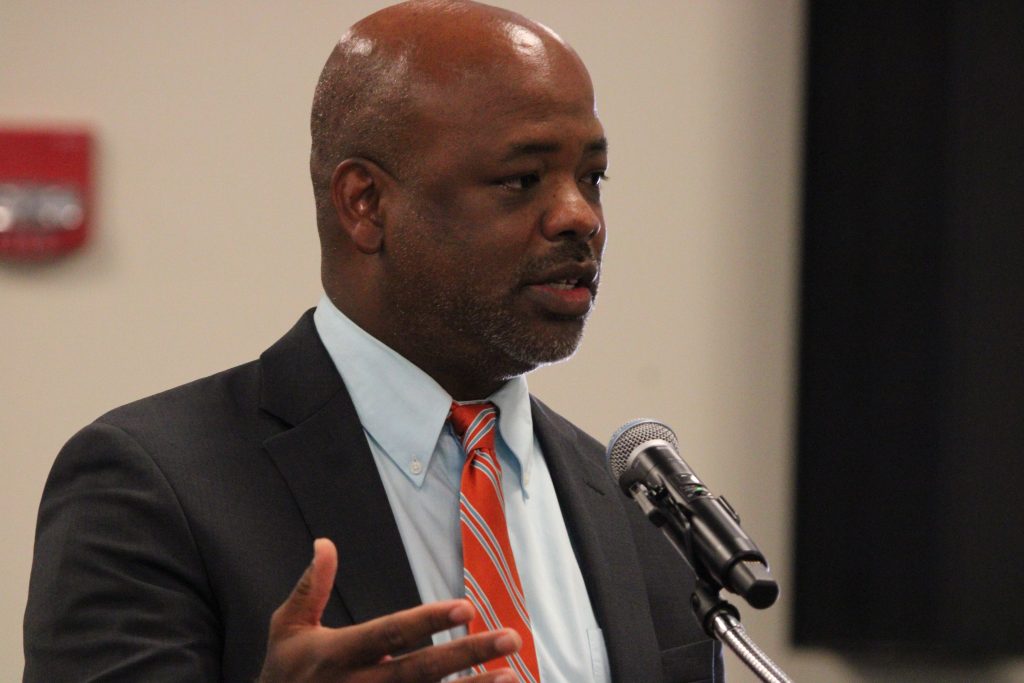
Dozens of other bills remain in limbo, all key priorities for their sponsors.
Senate Bill 254, introduced by Sen. Merika Coleman, D-Pleasant Grove, is a multi-year effort to extend the civil statute of limitations for certain sex offenses from six to 36 years in some cases.
“This is probably the fifth year that you all have heard from me on this issue; two years when I served in the House, and this will be the third time as a member of the Senate,” Coleman said last Thursday, introducing the bill to members of the Senate Judiciary Committee.
“This is what this bill is about, giving them an opportunity to be heard. The trauma inflicted at a young age often prevents victims from coming forward until later years, that’s why we (want) to extend this statute to the number that we’re extending it to.”
Coleman’s bill ultimately passed out of that committee, though still requires passage in the Senate, a House committee and in the House itself, making its success this year slim, though not impossible.
A bill much closer to final passage is House Bill 265, carried by Rep. Joe Lovvorn, R-Auburn, which would enhance criminal penalties for resisting arrest should it result in physical injury to a law enforcement officer or bystander. The bill passed out of the Senate Judiciary Committee last Thursday, and now only requires passage in the Senate, and concurrence in the House should the Senate modify the bill.
“There’s currently no provision in Alabama law affecting cases where an individual actively resists a lawful arrest, and as a result, causes injury to a law enforcement officer or an innocent bystander,” Lovvorn said when introducing his bill to the committee last week. “This gap in the law means that officers who suffer injuries due to resistance are not adequately protected, and this bill would aim to do that.”
The bill saw fierce pushback from Democratic lawmakers in committee, including from Sen. Bobby Singleton, D-Greensboro, potentially foreshadowing a showdown on the Senate floor given Singleton’s reputation for lengthy filibusters.
While Ledbetter had predicted the legislative session to end by May 8, he noted that if the Legislature needs to override any vetoes by Gov. Kay Ivey – which he said seemed unlikely – the session may end up concluding the following week on May 13.