
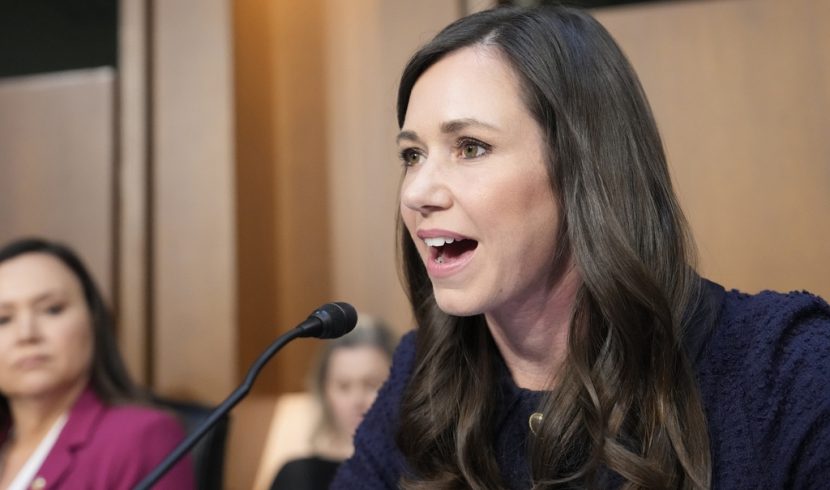
WASHINGTON — As Alabamians hear competing visions from gubernatorial nominees on how the state should address the explosion of data centers, U.S. Sen. Katie Britt wants to chart her own path on the issue, advocating for a “nuanced approach.”
The Alabama senator emphasized in an interview with Alabama Daily News that her philosophy regarding the massive facilities that guzzle up electricity and water to power online consumption involves a balancing act.
Alabamians should consider the need to have a technological edge over China in the artificial intelligence race versus the individual interests of communities that could host data centers, she said.
“We’ve all got to be invested in how we beat China because that has real implications on national security and our way of life and the American dream,” Britt told ADN in an exclusive interview. “But I absolutely think that those decisions need to be made on a local level.”
And Britt added that when communities have all the information on proposed centers and choose not to move forward, they “shouldn’t be forced” by companies to proceed.
Britt wants the focus to be on the opportunity costs of any proposed data center, comparing what the center could bring a community versus what it could take away, such as leaving the area with less electricity to power another industry that could want to relocate to the community down the line. And it’s up to each community to determine that cost for themselves.
“For some communities, this may be the right investment,” the Alabama Republican told ADN. “Looking at what that tax revenue may do for schools and the area, but I think you have to be smart about how you frame that up and the conversations that you have on the front end, which is why the more information that we can get to those people working to make those decisions in local communities, the better.”
Frank Seo, a rural development professor from the University of Arkansas, found the massive facilities tend to generate “more tax impact per dollar of output than the other sectors,” such as food and auto manufacturing.
“So even if not all the economic activity stays local, there can still be meaningful benefits for public finances,” he wrote in a recent article published in Southern Ag Today.
But Seo said the centers don’t bring as many permanent jobs as, say, a new manufacturing plant. A point that Britt echoed.
“Those have a longer impact long term on more jobs for a community, good-paying jobs, that obviously have a larger impact with regards to people being able to live their American dreams,” Britt said.
So for those communities that could attract other industries, the senator told ADN that data centers might not be the best option if they come at the “expense of other opportunities.”
Seo cautioned that if a community provided tax abatements for a data center, those incentives can lessen the economic impact. The Alabama Legislature passed a law this year to reduce tax incentives for large data centers.
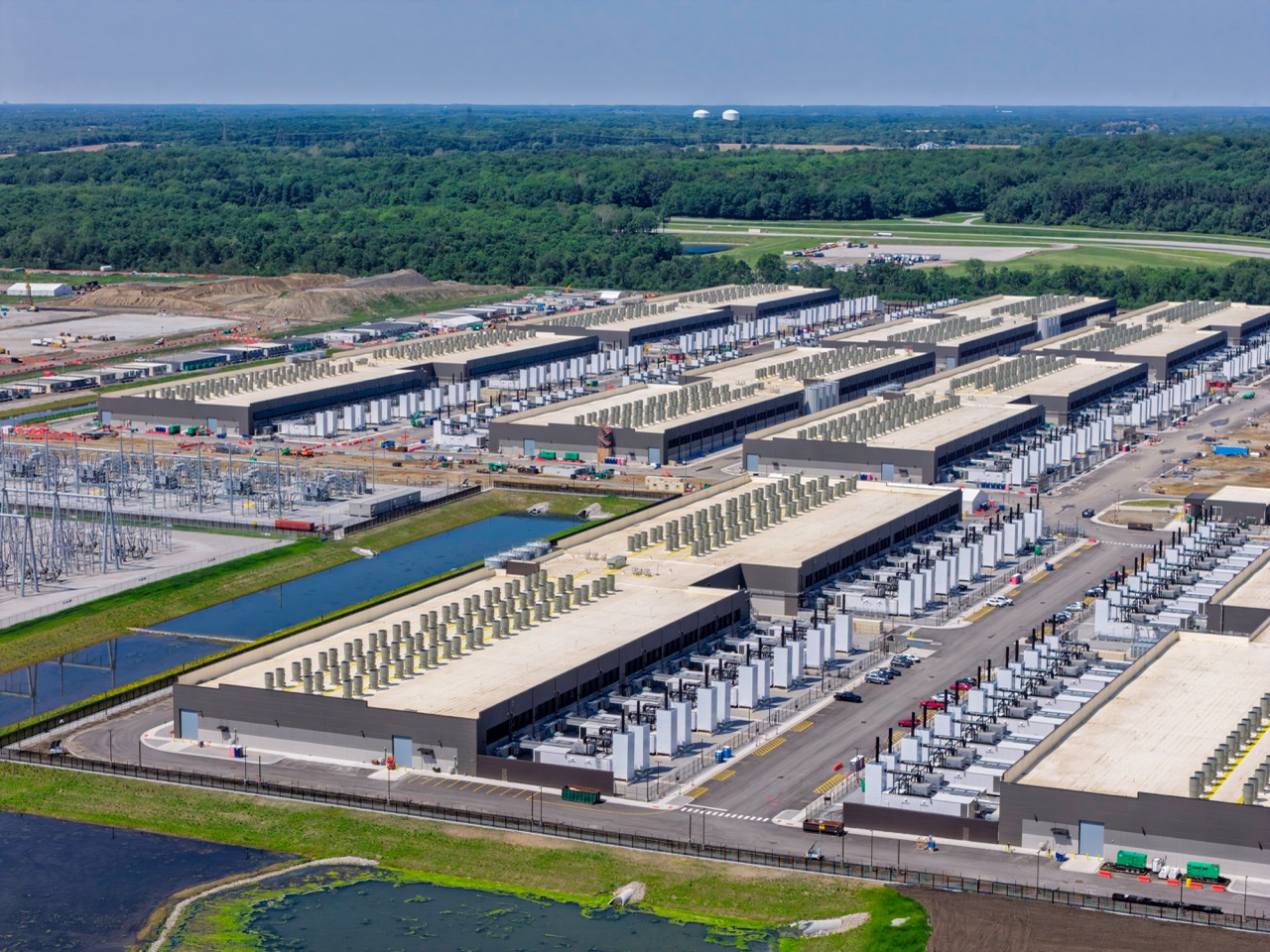
Distancing herself from other data center perspectives
Without naming names, Britt said she believes her views on handling the new facilities stand in contrast to other messages on data centers coming from Alabama leaders.
“I don’t think people who want a data center on every corner (is) the right avenue,” she said. “I don’t think people who want a full moratorium…I don’t think that that is the right avenue.”
U.S. Sen. Tommy Tuberville, R-Ala., the GOP nominee for governor, has repeatedly doubled down on his strong support for new data centers in the state, arguing if one community doesn’t want one, companies can easily find somewhere else in the state.
“We got a lot of places to put them,” Tuberville said during the Business Council of Alabama’s conference earlier this month. “We got a lot of rural areas to put them. At the end of the day, we’ve got to do it if we’re going to grow.”
Tuberville’s Democratic opponent for governor, former U.S. Sen. Doug Jones, has taken the opposite approach.
He wants to institute a one-year moratorium on the centers to allow time for guardrails to be in place. But he has acknowledged that some economic positives could come from the centers when companies and local leaders are transparent.
“Ultimately, any data center could have financial benefits for a community,” Jones said. “We have to acknowledge that, but those need to be negotiated on the front end, you need to fill out full disclosure, and a community has to make the decision. Is the cost worth the benefit? Is the benefit worth the cost?”
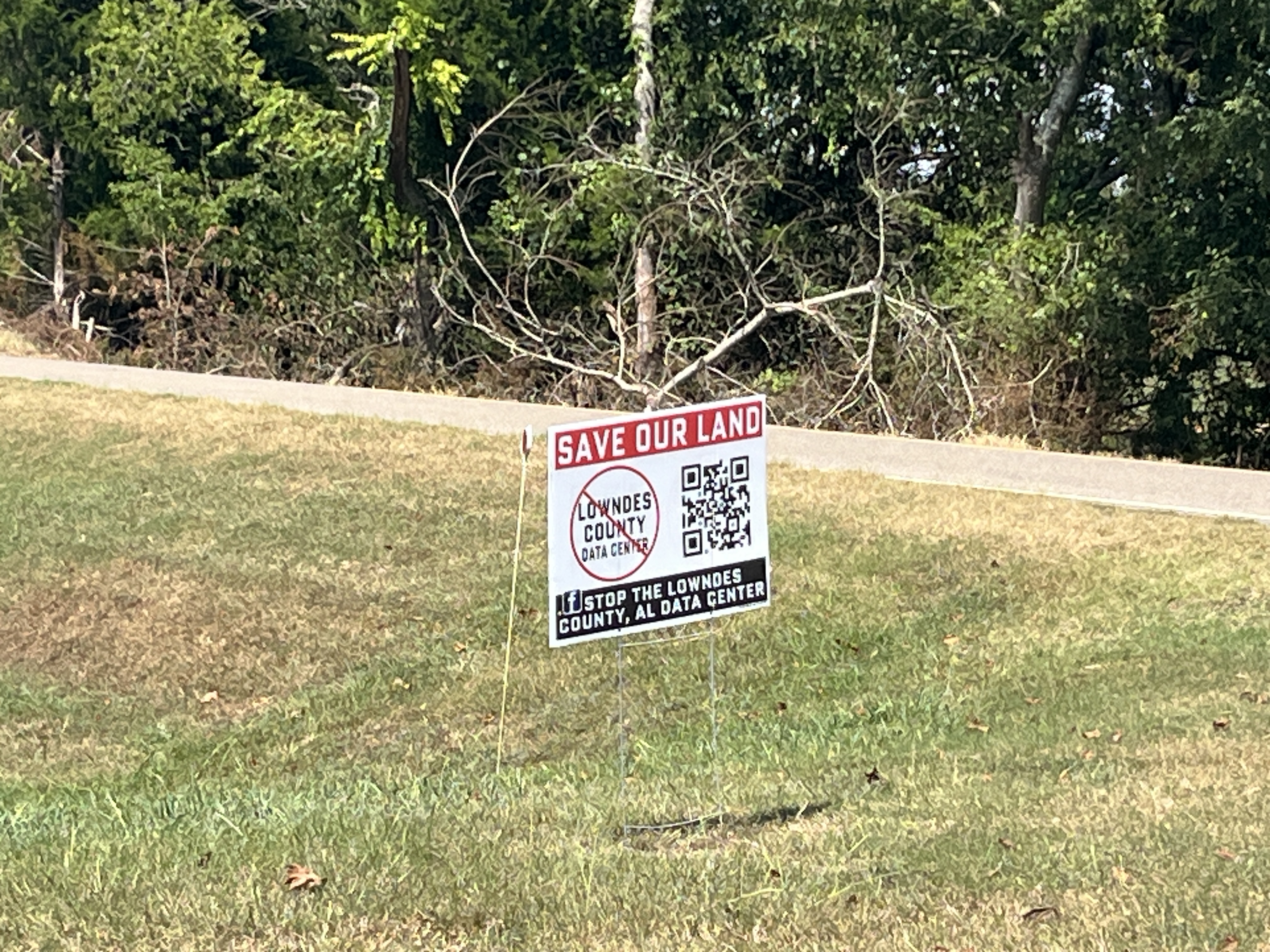
The federal government’s role
Though Britt said she wants to be involved with helping communities decipher the benefits and drawbacks of data centers, what that would look like from a federal policy or legislative standpoint remains murky.
Most of the decisions on whether to allow a data center in a community are made at the local or county level, making a federal oversight role tricky.
“I believe local leaders know best, and I know local and state leaders will continue to develop their positions on this, and the conversation here at home is going to continue to develop. I will be watching that closely and plan to be intimately involved with communities,” she said.
But she pointed to her strong support for the White House’s Ratepayer Protection Pledge, requiring tech companies to fully finance the water and energy infrastructure for the data centers without imposing costs on consumers.
The senator has also sponsored a bipartisan bill to encourage data centers to recycle water to help protect neighbors’ utility bills and lessen the strain on local water systems.
On the flip side, some Democratic lawmakers, like U.S. Rep. Terri Sewell, D-Birmingham, believe the federal government should play a large role in stopping new data centers until Congress can set federal standards. Sewell joined legislation to impose a national moratorium on new centers until guardrails are implemented.
“Alabama obviously wants to lead. We’ve got to continue to do that in the right way,” Britt told ADN. “I think we owe it to the people we serve to continue that thoughtful approach in the way that we talk about, discuss and locate data centers here.”