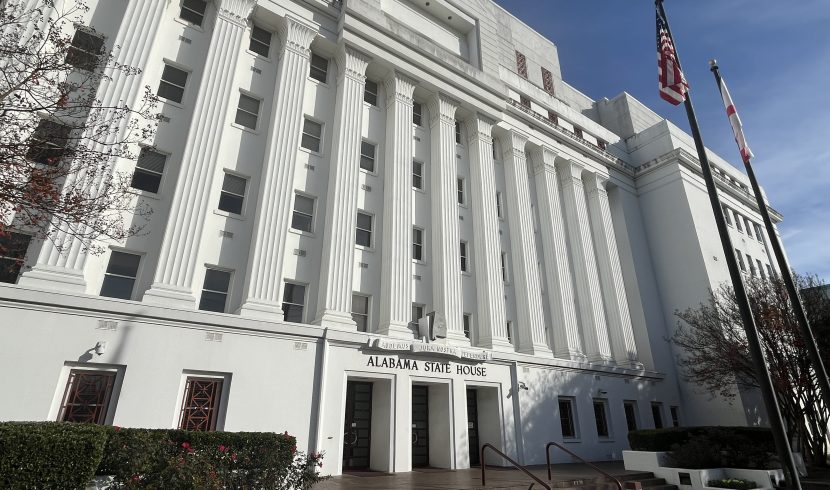
The licensing and regulating of massage therapists and massage establishments in the state would be the responsibility of the Alabama Department of Public Health under a bill approved in the Alabama Senate this week.
The legislation follows at least three years of controversy and concern in the State House with the Alabama Massage Therapy Licensing Board. It would become an advisory council under Senate Bill 136 by Sen. Chris Elliott, R-Josephine.
The bill was unanimously approved in the Senate and now moves to a House committee.
Issues with its management and the fees it charged massage therapists in 2023 began larger conversations about occupational licensure boards. Authorized by the state, the boards are often managed by third-party, private vendors.
Elliott this week also filed Senate Bill 227 to establish the Office of Occupational and Professional Licensing within the Alabama Department of Workforce. It would provide the administrative duties currently contracted out by several occupational and licensing boards.
In 2024, the Legislature disbanded the massage therapy board because of significant management and fiscal issues. It was temporarily put under the management of the Alabama Board of Nursing and licensing fees were set in law. Last year, the law was revised to give the nursing board the ability to set “reasonable fees.”
The nursing board then increased some fees, saying the move was needed to make regulation and licensing operations more financially solvent. One fee increased by $250 and 250%, raising concerns from those who brought attention to mismanagement and fees issued by a previous board.
Kristie Williams, a massage therapist in north Alabama who first alerted lawmakers to fee and oversight issues in her profession, praised the new legislation.
“Moving from a board to an advisory council under the Department of Public Health is the turning point we’ve needed,” Williams told Alabama Daily News. “This transition finally provides the administrative stability and transparency I’ve been fighting for. Most importantly, it gives us the investigative teeth and state resources necessary to actually convict illicit actors without my licensing fees paying for it.”
Before the 2024 legislation dismantled the previous massage board, a 2023 audit by the Alabama Department of Examiners of Public Accounts identified 13 problems with its operations. Some of those problems included Executive Director Keith Warren, a private contractor who has managed more than a dozen boards, being paid his monthly fee before services were provided, not complying with open meeting laws, waiting two months after a board member resigned to notify the Secretary of State and issuing a license to someone who hadn’t met requirements.
The board was also still charging unauthorized fees to licensees, despite a law passed earlier that year prohibiting it.
Separately, ADN reporting in 2024 showed Warren had double billed the massage board and two others for services over multiple years.
Other legislation pending in the State House puts the Alabama Sickle Cell Oversight and Regulatory Commission under ADPH.