WASHINGTON — Alabama, along with other states, can now apply to receive a chunk of the $50 billion allocated to address rural health needs included in the July GOP-led budget law.
Each state will receive at least $500 million from the Rural Health Transformation Program over five years if it submits an approved application. It starts next year.
Half of the $50 billion will be distributed evenly among states that apply and the other half will be allocated based on the Center for Medicare and Medicaid Services’ discretion.
The CMS launched the program Monday. States will have less than two months to apply before the Nov. 5 deadline.
“We believe we can use this as an opportunity to pivot from the crisis that we are currently living in to the comeback that America expects from us,” Dr. Mehmet Oz, CMS Administrator, told reporters on a call Monday.
Governors will be responsible for overseeing their state’s application.
“We encourage governors to submit bold, audacious proposal ideas as strong as the people they serve,” Health Secretary Robert F. Kennedy Jr. said in a video announcing the program.
Alabama Gov. Kay Ivey’s office said it will provide an update soon on the administration of the program in the state.
“The Governor’s Office has requested and received dozens of memos from providers, stakeholders and interest groups on how Alabama could sustainably invest program funds to provide long-term improvement of health outcomes and healthcare delivery systems in rural Alabama,” Ivey spokesperson Gina Maiola said in a statement to Alabama Daily News.
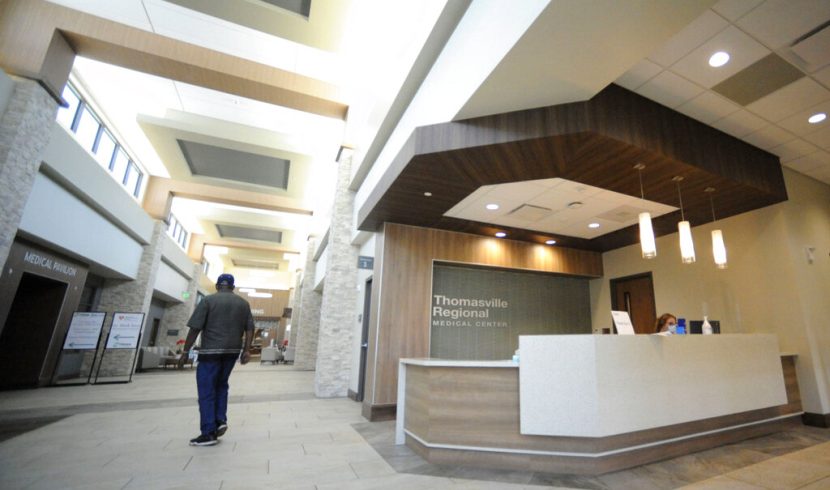
In Alabama, 23 rural hospitals are at an immediate risk of closing, according to an August report from the Center for Healthcare Quality and Reform.
Broadly, CMS outlined five goals for the funds. The first is for preventative care. Fitting in with Kennedy’s mantra, the agency encourages states to make rural America healthy again. The other goals include sustainable access, workforce development, innovative care and tech innovation.
Oz said the money can not be used for “old bills or “operating expenses.” Instead, the proposals to use the funds should focus on transformation. If states “don’t perform” in the first year, the CMS could “claw back” some of the allocated money and give it to better-performing states, Oz told reporters Monday.
Some of the money could go toward funding AI-powered systems to reduce paperwork or giving patients the ability to check their symptoms on an iPhone instead of having to go see a doctor in person, Oz said in the announcement video.
Republican lawmakers added the rural health fund into the One Big, Beautiful Bill Act, which GOP lawmakers now call the Working Families Tax Cut, to help offset Medicaid cuts included in the legislation that could threaten rural hospitals.
Alabama Republicans have repeatedly championed the Rural Health Transformation Program as a win for the state. In their public comments on the budget law, lawmakers have quickly turned to this fund to highlight what they see as one of the main benefits of the package. Sen. Katie Britt previously called it a “game changer” and Rep. Mike Rogers, R-Saks, has emphasized that “it’s a lot of money” that will help address the rural health needs in the state.
Although Republicans and Trump administration officials are touting the fund, rural health advocates argue the money won’t be enough to counteract the looming Medicaid cuts.
An analysis from the National Rural Health Association, published before the CMS guidance was posted, found that if all funds allocated to a state were distributed to only rural hospitals, the money would only make up about 87.9% of the cuts to Medicaid rural hospital expenditures over the next decade.
In total, Medicaid spending in rural areas is expected to be reduced by about $137 billion over 10 years, which is about $87 billion more than what the Rural Health Transformation Program provides, according to the Kaiser Family Foundation.
White House spokesperson Victoria LaCivita backed the program, calling it a win for “every rural community across the country.”
The $50 billion will be distributed evenly every year beginning in 2026, with $10 billion allocated per year.
Awards will be announced by the end of the year.