WASHINGTON — A U.S. House panel approved a large swath of domestic spending, including $35 million for Alabama hospitals and health centers, last week.
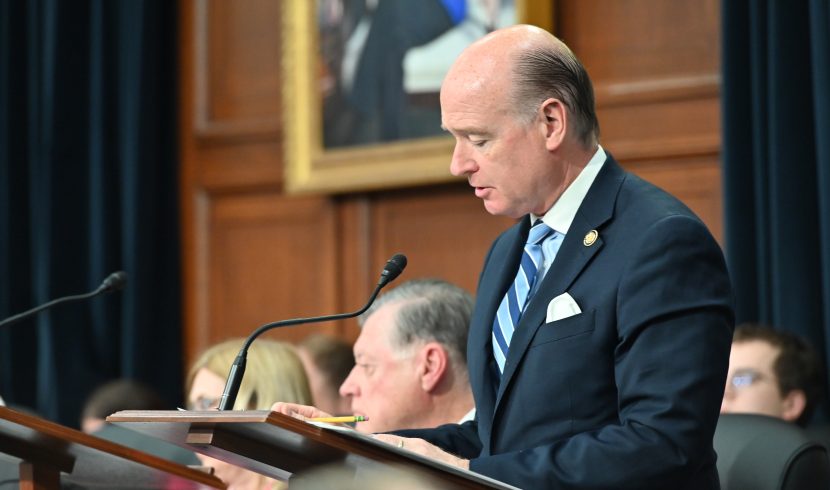
The House Appropriations Committee advanced legislation to fund the Labor, Health and Human Services and Education departments for the next fiscal year, led by subcommittee chair U.S. Rep. Robert Aderholt, R-Haleyville.
The measure includes cuts to all three departments. It allocates about $110.8 billion to HHS, which is a $4 billion cut from this year’s enacted level.
“There were a lot of things that we would like to put in this bill, but obviously when we are approaching a $40 trillion debt in this country…we’ve got to make sure that we’re not spending money… in areas that we have…duplicates of other agencies,” Aderholt told Alabama Daily News. “That’s where we’ve tried to make some of the cuts.”
While the top Democrat on the subcommittee, Rep. Rosa DeLauro of Connecticut, decried some of the health care cuts in the bill, such as the proposed cancellation of $2 billion from the operation of the Affordable Care Act marketplace. Democrats also said the bill cuts HIV/AIDS prevention and treatment funds under the Centers for Disease Control and Prevention budget.
“This bill squeezes working families from both ends – increasing costs for daily necessities while hollowing out health, education, nutrition, and employment programs that support the working class, middle class, and vulnerable Americans,” DeLauro said in a statement.
But the National Institutes of Health will get a modest boost under the bill. Lawmakers allocated $48.8 billion for the agency, which is about a $100 million increase over the current enacted level. It also stands in stark contrast to the Trump administration’s proposed budget that called for reducing funding for the health research agency by $5 billion.
“I think the American taxpayers want to make sure we’re doing everything we can to try to cure diseases like cancer, and NIH is what works on that, and that’s why they need to be funded,” Aderholt told ADN. “So we did make sure that we had ample money for them.”
Money for Alabama hospitals
Community project funding, or earmarks, returned to the House Labor-HHS-Education bill this year after being banned for the last few years. But the money is largely limited to hospitals. The House bill proposes about $35 million for Alabama projects from five members of the state’s delegation.
Aderholt, the chair of the subcommittee, secured the most money out of the delegation with $22.1 million for four hospitals in his district.
“One thing that I wanted to do is try to help local health centers and hospitals, especially in rural areas, to make sure they don’t close and make sure that everybody has access, regardless of their zip code and regardless of where they live,” Aderholt said.
Other members of the delegation who secured earmarks in the bill include U.S. Reps. Mike Rogers at $5 million, Shomari Figures, D-Mobile, at $4.75 million, Terri Sewell, D-Birmingham, at $2.1 million and Barry Moore with one project at $1 million.
Education
For the Department of Education, the bill proposes a $70.7 billion budget for fiscal year 2027, an $8 billion or 10% cut from fiscal year 2026. It includes a funding reduction for low-income students and a slight increase for special education. Lawmakers also outlined a total of $40.2 billion for K-12 education, according to committee Democrats.
While Democrats argue that Republicans are continuing their work on dismantling the department at President Donald Trump’s behest, Aderholt contends they’re reallocating its federal responsibilities to other agencies.
“It’s really cutting the department’s overhead and their bureaucracy to make sure more money gets to education at the end of the day,” the Haleyville Republican told ADN.
The legislation also slashes $2 billion from a grant program that provides funds to support teacher training, according to committee Democrats. While it proposes a boost to Pell Grants, increasing the maximum amount for the award by $50 to $7,445.
The legislation also proposes to reestablish the National Reading Panel to study current best practices for teaching children how to read.
The group last created a report in 2000, which played a key role in expanding the science of reading. The panel highlighted the report earlier this year during a hearing spotlighting Alabama’s success with implementing the science of reading in schools.
Labor
The bill proposes $9.8 billion for the Department of Labor, a funding reduction of $3.7 billion, or 27%, from this year’s level.
“We want to make sure that we have a strong Labor Department that makes sure that people are protected, but at the same time not so heavy-handed that you’ve got a lot of bureaucracy and…stifle business, so reaching that delicate balance is very important,” Aderholt said.
Committee Democrats highlighted that the measure slashes funding for the Job Corps program in half. It comes after the Trump administration proposed eliminating the entire program last year. They also decried a decrease in grant money that helps provide youth and adult job training in states
What’s next
The House Appropriations Committee has now approved 11 of its 12 annual spending bills for the next fiscal year. The defense bill is the only one remaining. The full House has also passed the agriculture and military construction measures.
But the Senate Appropriations Committee has yet to agree on topline numbers, advance any fiscal year 2027 bills, or hold any markups. The new fiscal year starts Oct. 1, so Aderholt said the current trajectory could mean a continuing resolution is a possibility.
“There is a good chance that at least several of these bills will have to be on a CR and they may very well go until after the election,” he said.
The upcoming midterms also make bipartisan agreement tricky, but Aderholt said he hopes that after the elections, lawmakers can “regroup” and avoid a full-year continuing resolution.