
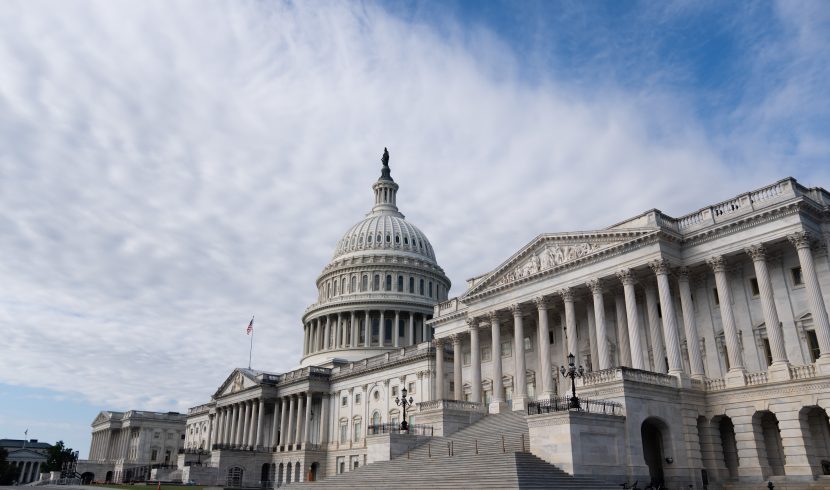
WASHINGTON — Congress left town for Thanksgiving as plans to fund an additional $350 billion in defense spending through a party-line bill sputtered, leaving Republicans little time to pass the funding before losing their majorities next year.
House Armed Services Chairman Mike Rogers declared last week that the $350 billion request, which would complement $1.15 trillion in Pentagon baseline funding, is “not going to happen,” though he said a smaller package around $100 billion could still be an option.
“I just think that if we’re gonna get something through reconciliation in the last month, we have to thread a needle,” Rogers, R-Saks, told Alabama Daily News before recess. “And so, I don’t know what the figure is. I think a figure can be passed, but the bigger the number, the less likely it is to happen.”
The Pentagon has been pushing for billions in a party-line bill as part of its massive $1.5 trillion budget request for fiscal year 2027. The $350 billion reconciliation package would fund investments in the Golden Dome, munitions and critical minerals among other priorities.
At an event at the Hudson Institute last week, Rogers said appropriators are looking at “alternatives” to move some defense priorities to baseline funding if reconciliation isn’t achievable.
The reconciliation process would bypass the need for Democratic support but is difficult to get done. It would require nearly all Republican senators to support the measure. It would take floor time away from other GOP priorities before the end of the year, such as confirming nominations, and can force an unlimited number of amendment votes.
Over the weekend, the top Senate Democratic defense appropriator, Sen. Chris Coons of Delaware, said Congress is “out of time for reconciliation” and said Republican and Democratic lawmakers should now focus on finding agreement through appropriations to fund the military.
“If we could get to a bipartisan topline, we could spend the time from Thanksgiving to the end of the year getting a lot of this finished, but we still don’t have a topline agreement between the defense and non-defense portions, and that’s the most critical thing,” Coons told reporters at the Halifax International Security Forum.
Deputy Secretary of Defense Steve Feinberg spent hours briefing senators last Wednesday on the need to approve the military funding during the lame-duck session.
Before Republican senators reconvened for a second session with Feinberg last week, U.S. Sen. Katie Britt, R-Ala., called the discussions a “robust conversation” on a call with reporters.
“We have a rare opportunity, one more bite at the apple with regards to utilizing the reconciliation process to meet the needs of our national security and the American people,” Britt said last week, adding that the measure, though, should be “narrowly tailored and very targeted.”
But after those meetings with Feinberg, Republicans said they would first try to work with Democrats to fund the military next month through the appropriations process, while still leaving a party-line bill on the table.
In the House, Rogers said some Republicans would also need to see offsets to the spending to support the billions in a defense reconciliation package following any Senate action. He said keeping it targeted would help improve the measure’s chances in the lower chamber.
“The bigger number, the more difficult; the smaller the number, the more viable,” Rogers told ADN.
But Congress is running up against a tight deadline. Government funding runs out Dec. 11. Plus, Republicans will lose control of both chambers on Jan. 3, dashing any chance of passing the additional funding on their own next year.