
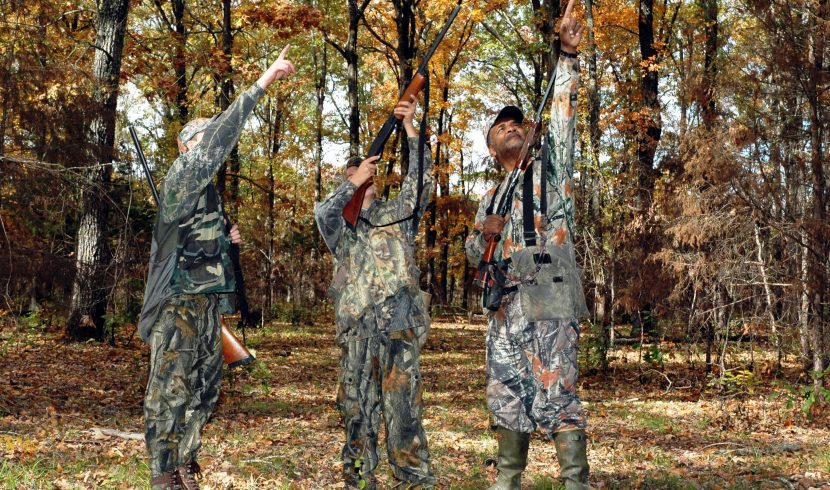
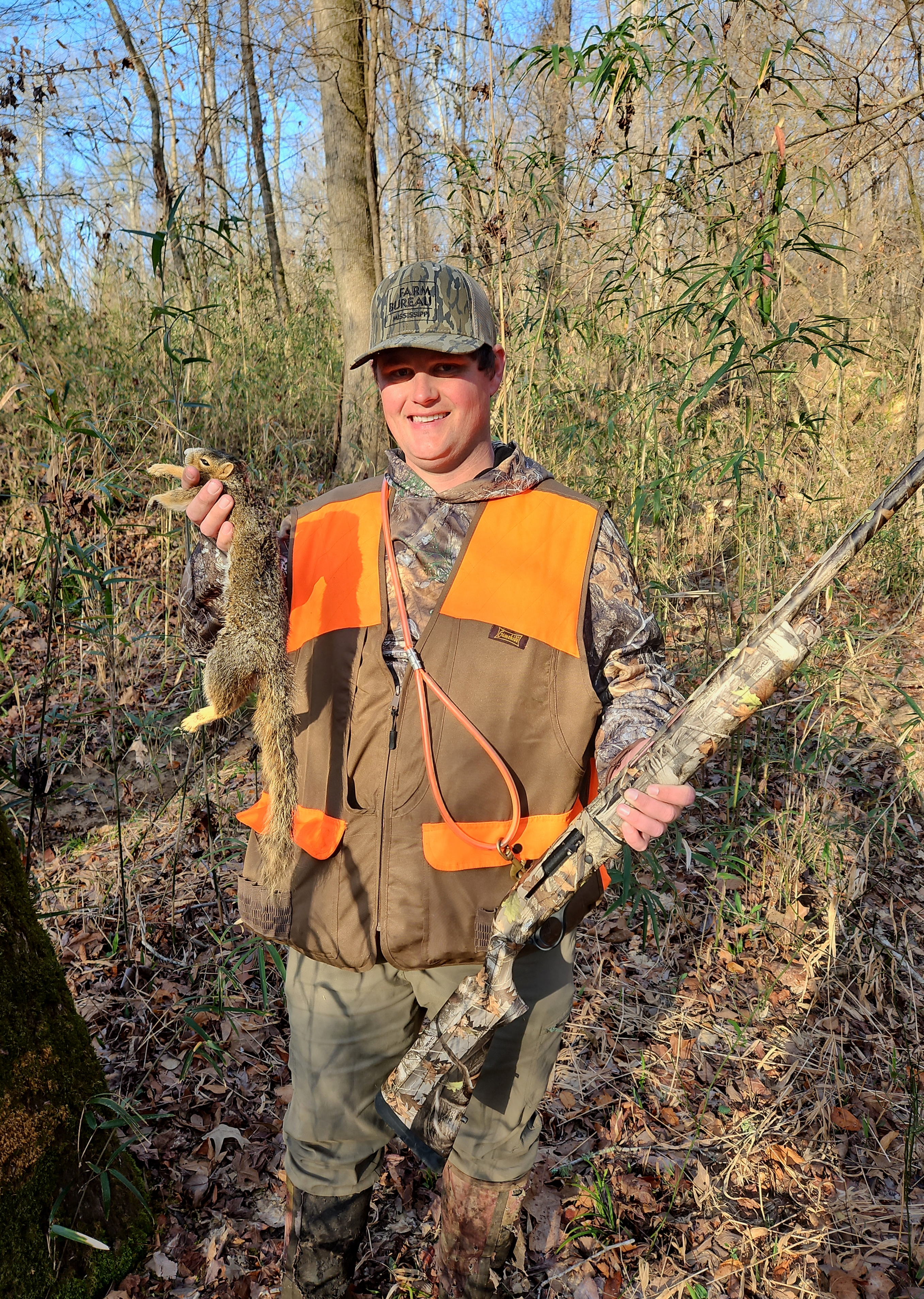
With long seasons and liberal limits, squirrel hunting can provide outstanding adventures for sportsmen of all ages, especially youngsters.
Squirrel season runs through February 28, 2027. Sportsmen can bag up to eight per day in any combination of fox or gray squirrels unless otherwise prohibited.
“We had a bumper crop of acorns last year so the state squirrel population should be doing well,” commented Seth Maddox, the Assistant Chief of the Wildlife Section for the Alabama Wildlife and Freshwater Fisheries Division. “We have a little concern about fox squirrels. We close the season on fox squirrels on public lands in February because that’s their breeding season.”
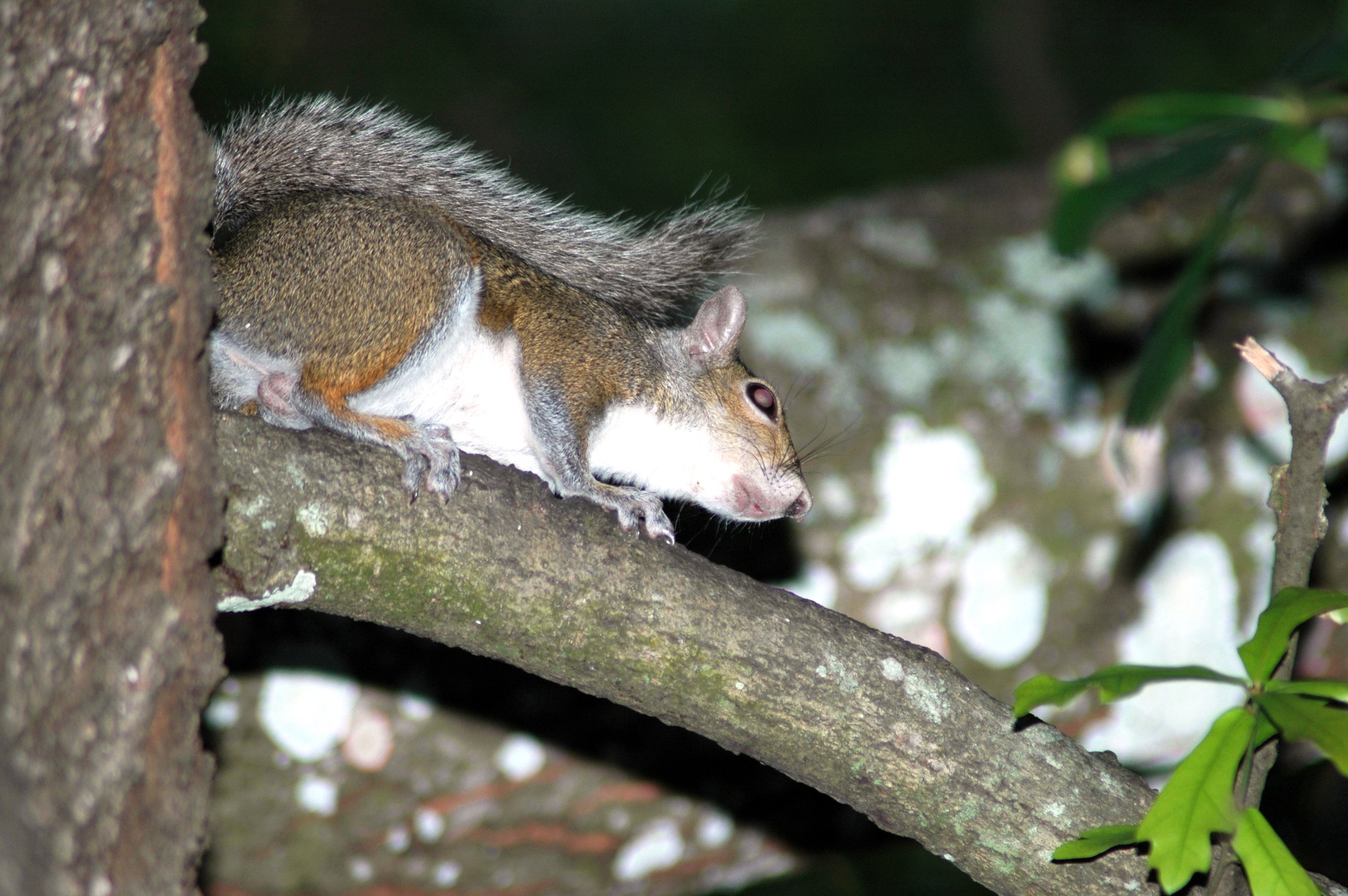
Fox and gray squirrels both occur statewide and share many forests. Much more abundant and widespread, gray squirrels can live almost anywhere, but prefer denser canopies in swamps or bottomland forests, hardwood drains and similar places.
“Fox squirrel hunting is closed on the Bankhead and Tuskegee National Forests,” Maddox said. “We started to see a decline in the fox squirrel population in Tuskegee National Forest. The habitat changed some and we want to protect that species and let them rebound. We’re watching the fox squirrel population in the rest of the state to give that species the best chance available to reproduce.”
Larger and much more colorful, fox squirrels usually like scattered pines and more open canopies of mixed upland forests. Although they range statewide, fox squirrels generally congregate in pockets of prime habitat. Sportsmen would likely find both fox and gray squirrels in mixed pine and hardwood forests and transition zones between bottomlands and uplands.
“The big problem with fox squirrels is habitat loss,” Maddox explained. “They need early successional open type habitat similar to what quail need. We’ve lost a lot of that habitat over the last several decades.”
To bag either species, sportsmen must first spot them. These ghosts of the forests can instantly disappear when danger approaches. Masters of concealment, squirrels find multiple places to hide among the branches and foliage of big trees. A gray squirrel typically runs at the first sign of danger. With the patience of a rock, fox squirrels can remain hidden almost indefinitely or jump into holes when threatened.
In good squirrel habitat, walk slowly through the forest. Cover ground more thoroughly rather than cover more ground. Without making quick movements, advance a few steps. Then, stop to look and listen. Scan the trees for shaking branches, odd movements or anything that looks out of place, such as an oddly shaped “knot” on a tree trunk or lumps on branches.
Smart hunters use their ears as much or more than their eyes to locate bushytails. Sportsmen can often hear squirrels long before they see them. Listen for the distinctive sound of claws scratching on rough bark, shaking branches or objects dropping to the ground. Squirrels regularly bark to proclaim their territory or signal a potential mate. Barking usually occurs later in the morning or late afternoon.
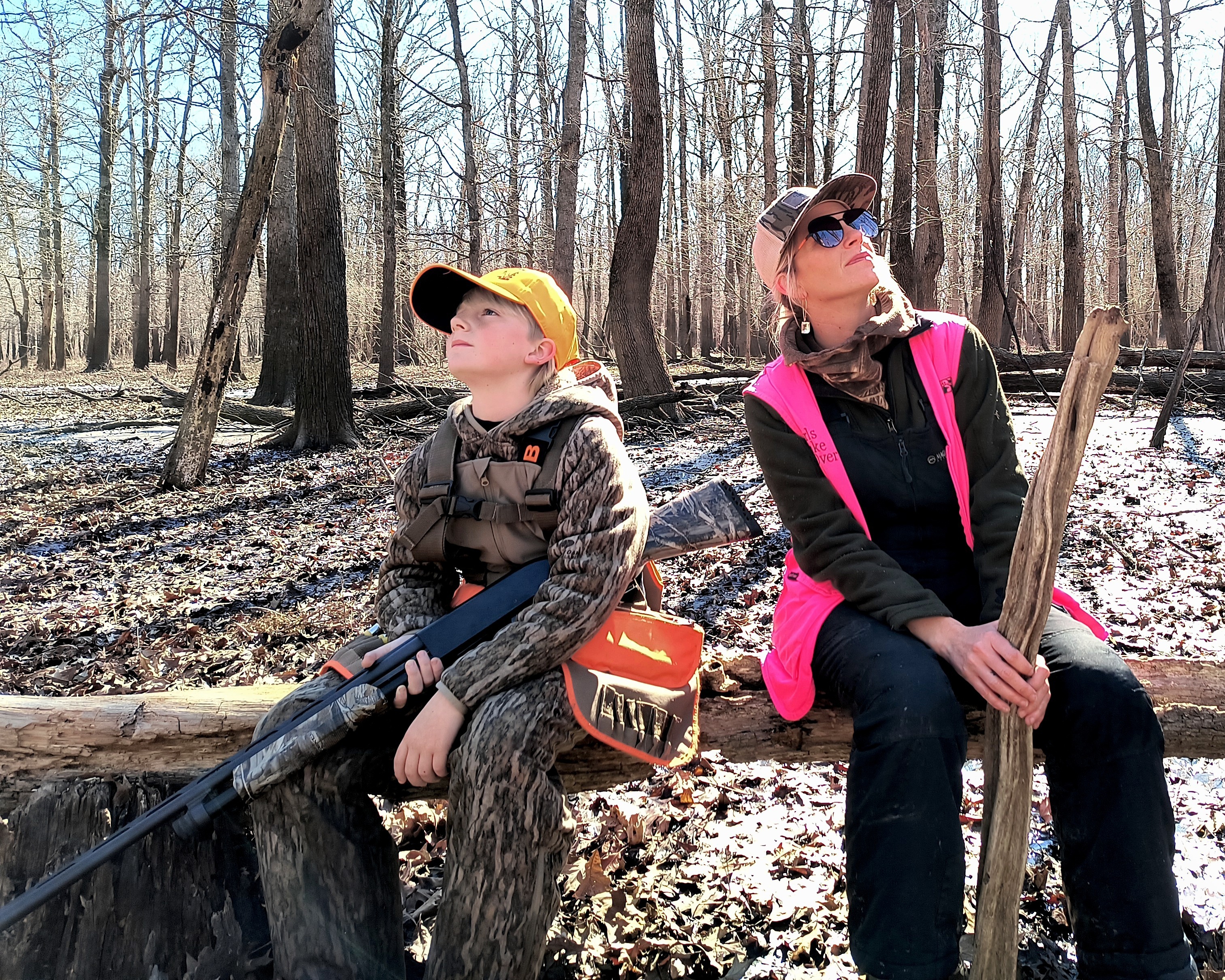
Periodically, find a stump, fallen log or a comfortable tree trunk. Some people carry light camouflaged folding chairs so they can sit anywhere. Sit down and remain still and quiet. Scan the trees for movement. A good pair of binoculars helps spot well-concealed bushytails hiding in the nooks and crannies of trees.
Many hunters make the mistake of rushing after any squirrel they see. After spotting a squirrel just out of range, watch it for a while. Determine where it wants to go. Sometimes, a squirrel foraging for food might wander into range of an undiscovered person.
If the squirrel doesn’t come into range, plan a good stalking route that takes advantage of any available concealment. If possible, avoid stepping into places with dry leaves or heavy underbrush that makes too much noise.
Squirrel hunting in pairs or teams can put more weight in a game bag. Alerted squirrels habitually put tree trunks, large branches or other objects between themselves and hunters. Take advantage of a squirrel’s innate curiosity.
One person can walk around the tree making noise to grab the squirrel’s attention while another remains still and silent. Keying on that moving person, the squirrel might shift its position. That could give someone a shot at it. When hunting alone, toss a limb, pine cone or another object to the other side of the tree. That might make a squirrel jump and reveal its position.
Squirrels don’t always stay in trees. As the season progresses, squirrels spend more time foraging on the ground. They also commonly stay on the ground during windy days. Listen for squirrels scampering across leaves or running up tree trunks.
Frequently, the best mast-producing trees grow along stream shorelines. Where possible, a canoe or kayak can produce good action. Like on the land, glide along silently. Watch for any movement. Periodically, stop paddling to listen for activity. Sound travels long distances over the water.
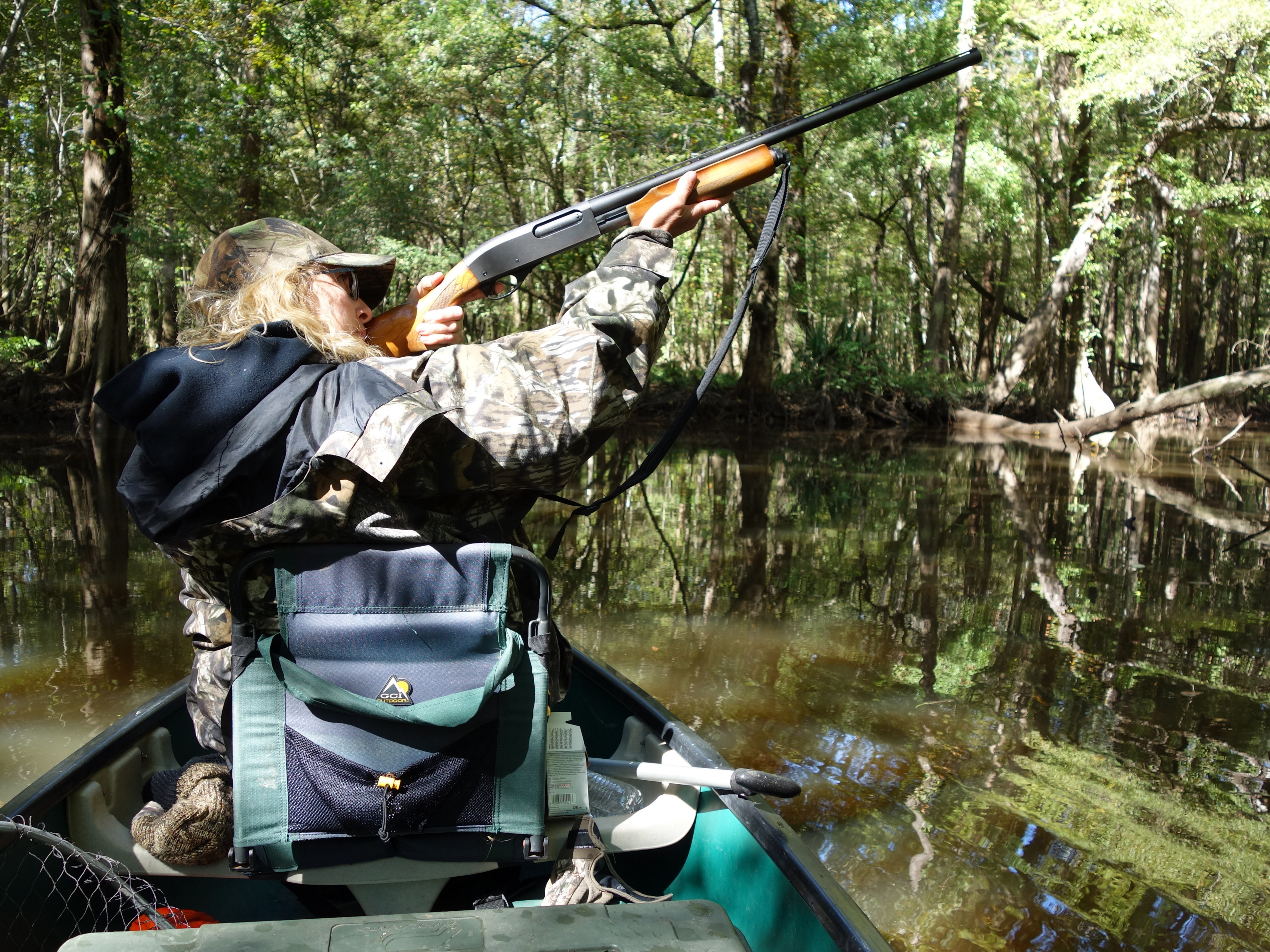
Paddlers can hunt solo or in teams. For double-teaming squirrels, designate one shooter who sits in the bow ready for action while the other person controls the boat and helps spot game. After locating a squirrel, the paddler positions the craft so the shooter can make an ethical, safe shot.
Hunting from a boat creates a wonderful way for children to participate. Small children can’t easily slog through soft, sucking mud or impenetrable thickets. In addition, children quickly grow bored sitting on cold ground and can never remain still or quiet. In a boat, at least the scenery constantly changes. Boaters can carry additional supplies, snacks and refreshments to take occasional breaks.
When hunting squirrels from boats, sportsmen might see other game such as feral hogs or rabbits. During the season, legally licensed and equipped hunters might jump ducks, doves, snipe or other game birds while paddling along a stream. Some sportsmen fish while squirrel hunting. Bushytails routinely see fishermen in boats and largely ignore them.
Season dates and regulations on some public lands might differ from the statewide dates and laws, so always check the regulations before hunting anywhere.
An avid sportsman, Felsher is professional writer, photographer and radio show host who has written thousands of articles for many publications. He’s always looking for ideas or outdoors adventures that will make good stories. Contact Felsh at [email protected] or through Facebook. He also hosts an outdoors tips show for WAVH FM Talk 106.5 radio station in Mobile.