
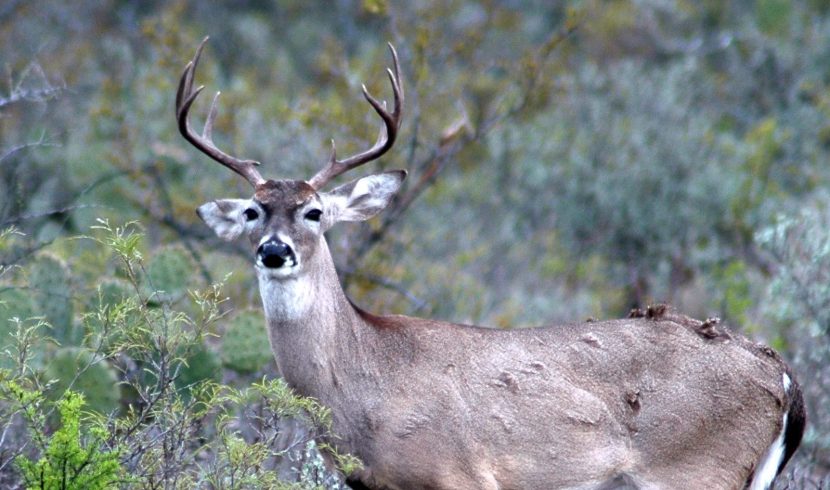
Most white-tailed deer hunters agree that the best hunting occurs during the rut, but what does “rut” really mean?
“The rut” defines the deer breeding period, which usually lasts about 14 to 21 days each fall. In an area populated with more does than bucks, many females might not breed during that time. Those females might come “into heat” again a few weeks later. If enough does in an area fail to breed, multiple minor ruts might ensue.
Does determine when the rut begins in an area. When hormone levels surge in a doe, she begins her estrous cycle. When enough does begin their cycles, bucks go nuts. Deer in a given area typically breed at about the same time every year, regardless of weather, moon phase or other factors.
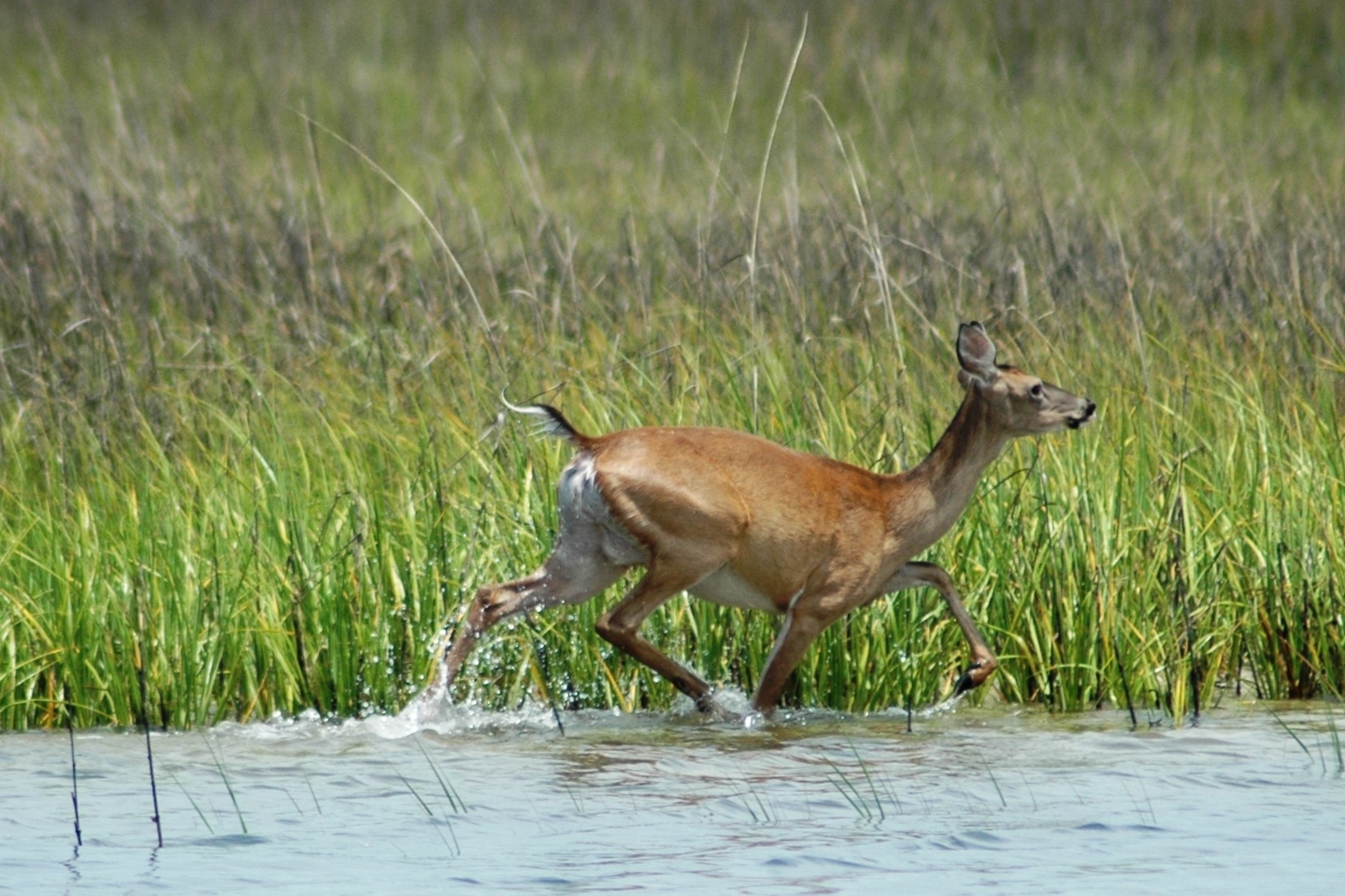
Today, Alabama hosts more than a million deer. Sportsmen enjoy one of the longest hunting seasons in the nation. Deer thrive in every county, wherever they can find food and suitable habitat. They even live in parts of the metropolitan areas.
“Deer are everywhere in Alabama,” explained Landon F. Johnson, the Assistant Deer Program Coordinator for the Alabama Wildlife & Freshwater Fisheries Division. “During the 2025-6 season, more than 232,000 people hunted deer in Alabama. We estimate that hunters harvest more than 330,000 deer annually in the state.”
Not so long ago, very few deer lived in the Cotton State. In fact, around 1900, about 500,000 whitetails lived in the entire nation. At that time, many parts of Alabama had few or zero deer. In the 1940s, many Alabama counties held fewer than 500 deer in the entire county.
To bolster the whitetail population, Alabama brought in deer from other states with more plentiful herds, such as Michigan, North Carolina and Georgia. The state released these new arrivals in appropriate habitat holding few or no deer. The deer population exploded.
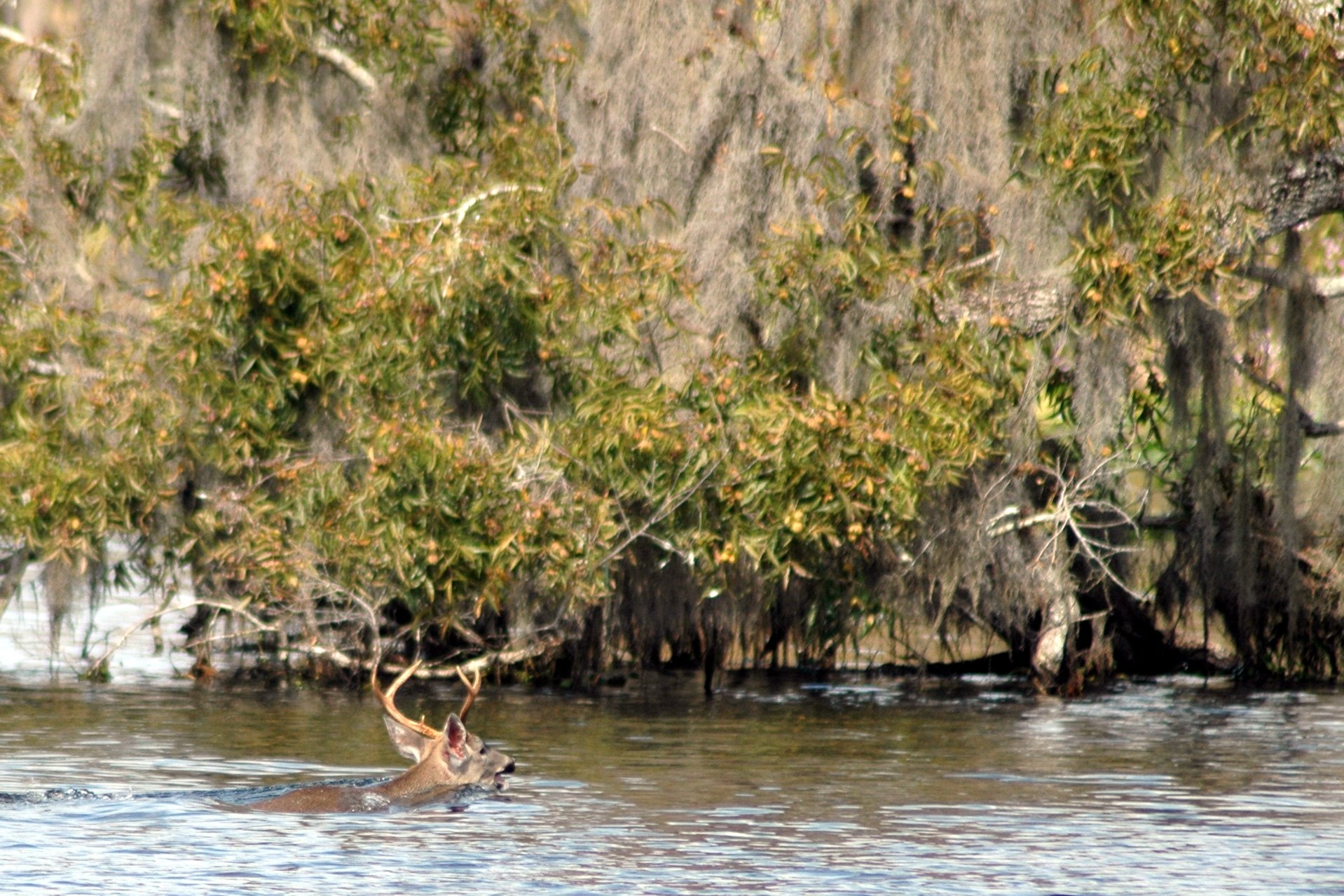
Whitetails from different areas retained their instinctive breeding habits, meaning they didn’t all go into rut at the same time. Their descendants still follow their ancient breeding instincts. Consequently, deer in some areas breed earlier in the season and some near the end.
To capitalize on this, the state established different deer management zones. For instance, deer in Zones D and E rut earliest in Alabama so the season opens earlier in those zones. In these zones, the rut begins in mid-November, peaking from late November to early December.
South of U.S. Highway 80, deer usually begin breeding in mid-January. The rut normally runs from Jan. 20 to Feb. 15. Most whitetails in this area breeding during the first week of February.
“Alabama has such a variety of rutting activity across the state since we restocked deer from multiple different areas that deer hunters can ‘chase the rut,’” Johnson commented. “Someone can open the season in Zone E and chase the rut to the end of the season in southern Alabama.”
Rutting bucks seldom eat. They do little besides breeding, thinking about breeding, chasing does ready to breed or fending off other bucks horning in on their territory or females. Even the most wily Ol’ Mossy Horns might lose a bit of his caution in his quest to breed with as many females as possible. A rutting buck might do incredibly stupid things.
Most people hunt early in the morning or late afternoon. Many people leave the woods in mid-morning to take a break and eat lunch. They might return just before dark. Bucks commonly turn nocturnal during hunting season, but during the rut, they might wander around more frequently during daylight hours looking for receptive does. A big buck looking for love could walk right past a hunter in the middle of the day.
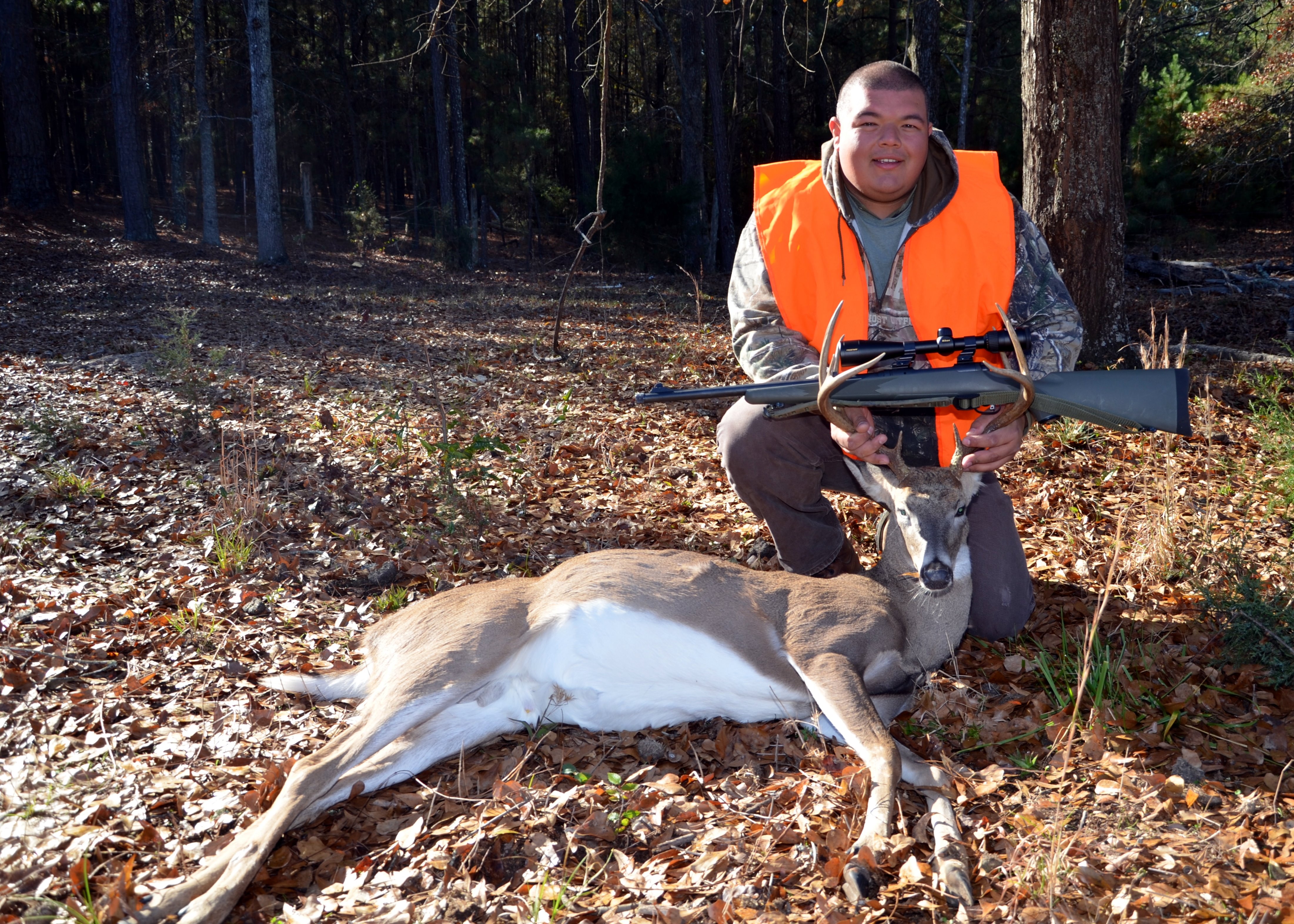
Also, deer can pattern people much better than people can pattern deer. Stay in the woods as long as possible. When people move, they push deer ahead of them and probably never know it. Even when not rutting, mature bucks on heavily pressured public lands often move between 10 a.m. and 2 p.m.
Rutting bucks don’t eat much or at all for long periods, but does go to food sources. Females need to build up energy reserves for their pregnancy and nourish their developing young. Rutting bucks won’t stray far away from receptive females. Look for mast-bearing trees. Signs indicate that Alabama should produce a good mast crop this year, or the amount of acorns and other natural nourishment.
Deer and hogs both especially love white oak acorns. They also like acorns from swamp chestnut oaks, which drop during early bow season. After the white oaks and swamp chestnut oaks finish dropping acorns, deer shift to eating red oak acorns later in the season.
“Normally, the mast crop varies across the state,” Johnson said. “Some areas are poor and others good. When we have too many acorns, that can hinder some hunters because that spreads out deer populations instead of focusing them in specific areas.”
Alabama offers sportsmen more than 721,000 acres of public hunting land in various wildlife management areas. National forests, national wildlife refuges, small Special Opportunity Areas and other public lands provide abundant hunting opportunities.
Smaller SOAs limit hunting so they receive significantly less pressure than most WMAs. People must apply to hunt certain days. If selected they can exclusively hunt designated areas on those days. Some better SOAs for deer hunting include Cedar Creek, Portland Landing and Uchee Creek.
“Traditionally, Barbour, Colbert, Jackson and Lauderdale Counties produce the most big deer,” Johnson advised. “The Talladega National Forest and Bankhead National Forest produce some of the biggest deer in the state. For big bucks, I also recommend Black Warrior, Choccolocco, Hollins or Oakmulgee Wildlife Management Areas.”
For more deer, hunt the Black Belt Region and down into Baldwin and Mobile counties. These areas regularly produce higher deer per acre numbers. The Mobile-Tensaw Delta contains nearly 100,000 acres for public hunting. Other good areas for deer numbers include Lowndes or Oakmulgee WMAs.
For deer zone boundaries, season dates and other information, see www.outdooralabama.com/seasons-and-bag-limits/deer-season.
An avid sportsman, Felsher is professional writer, photographer and radio show host who has written thousands of articles for many publications. He’s always looking for ideas or outdoors adventures that will make good stories. Contact Felsh at [email protected] or through Facebook. He also hosts an outdoors tips show for WAVH FM Talk 106.5 radio station in Mobile.