
BIRMINGHAM, Ala. – Alabama schools have millions of new dollars to spend on students with greater needs. Now one of the groups that helped push the RAISE Act into law is trying to help schools make those dollars count.
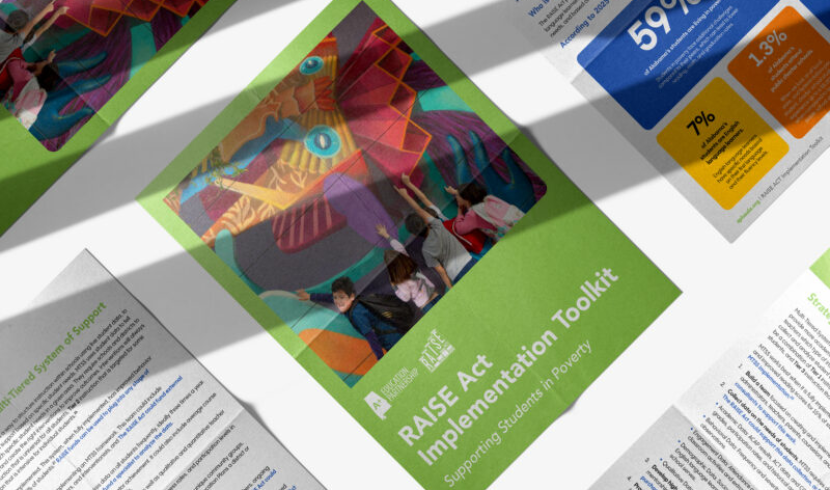
The new guides from A+ Education Partnership are designed for school leaders, school board members, parents and community members.
They focus on students in poverty, students with disabilities and English learners. They also explain how school district budgets work and how parents and community members can take part in local spending decisions.
The guides build on a webinar series A+ held this spring with Alabama educators and national experts.
A+ Education Partnership President Mark Dixon said schools have welcomed the extra money.
“Everyone is excited to have more funding. All of these students have needed more funding,” Dixon told Alabama Daily News. “But the impact is in the implementation.”
The RAISE Act, passed by lawmakers in 2025, gives schools extra money based on the needs of the students they serve. The money comes on top of what districts receive through the state’s Foundation Program.
Schools receive more money for students in poverty, students with disabilities, English learners and some other groups.
School systems received about $164 million through RAISE in fiscal 2026, the first year of the law. For fiscal 2027, districts have budgeted about $191 million – an increase of nearly $27 million, or 16.4%.
Some of that increase comes from changes lawmakers made to the funding formula this past spring.
The weight for students in poverty increased from 2.25% to 2.75%. The funding weight for students in the first special education tier rose from 2% to 2.5%. The gifted student weight also increased slightly.
The total increases statewide from FY26 to FY27 are:
— Students in poverty: $68.3 million to $86.8 million,
— Special education: $48.8 million to $54.2 million,
— English learners: $33.5 million to $34.5 million,
— Gifted students: $12.2 million to $13.7 million,
— Charter school students: $1.2 million to $1.4 million
Schools have a lot of freedom in deciding how to spend the RAISE money, which is one reason A+ created the new guides.
Dixon said the group wants to give schools practical ideas, but also wants parents and community members to understand enough to ask questions about how the money is being used.
“We’re trying to empower both districts and families and advocates with the knowledge to engage in this conversation,” he said.
The guides try to go beyond broad advice.
For example, instead of simply saying a district should spend money on summer school or after-school programs, the materials suggest more detailed questions, he said.
Is the program full-day? Does it use the same kind of curriculum students see during the regular school day? Are students being tested to see whether the program is helping them learn?
Dixon said A+ wants schools to use the money on evidence-based programs that have a good chance of helping students.
He said the goal is to “implement this law well” and make sure districts spend the money on strategies that meet students’ needs.
The A+ guides are not required by the state, and A+ did not receive state funding to create them.
Dixon said parents and community members can use the materials to better understand school budgets and ask local school officials how RAISE dollars are being spent.
Schools will also have to report more information about that spending.
Districts must send RAISE accountability plans and reports to the Alabama State Department of Education by Nov. 1. The reports must explain how districts plan to spend the money and analyze progress for the student groups receiving additional funding.
Dixon said state leaders want to see whether students are making progress and whether the money is helping.
That means, he said, spending it on programs “that are actually going to move the needle for kids.”
All of the new materials are available through A+ Education Partnership’s RAISE Act Implementation Toolkit.
Here’s a look at the additional funding Alabama’s public schools received through the RAISE Act allocations this year and last year. Click here if you’re unable to see the table below.