
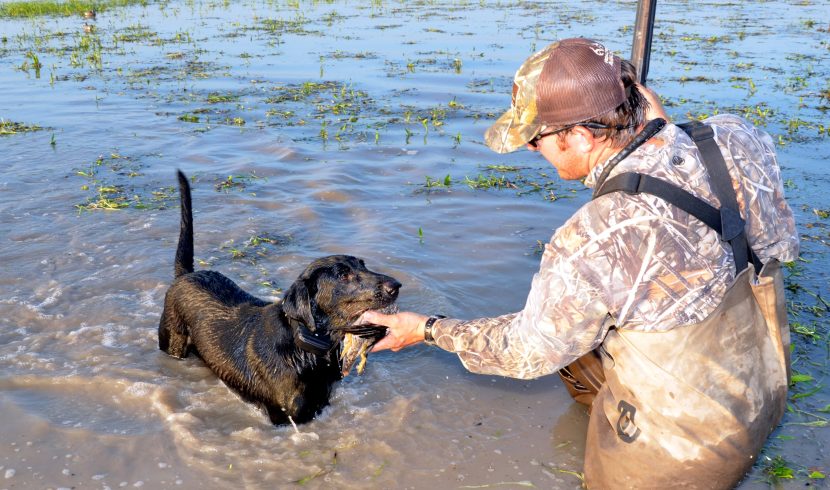
Other than the highly controlled alligator harvest that begins in August, September marks the start of a new Alabama sporting season when several hunting seasons open.
During the blistering “dog days” of August, people might not think much about hunting. However, during these sweltering August days, sportsmen might want to check all their equipment. After last season ended, many sportsmen probably dropped their gear in garages, sheds or closets and didn’t think about it for months.
Every year, people hurt themselves or even die in accidents they could have prevented with a little maintenance. Before putting up a tree stand, even Ol’ Reliable that served well for many seasons, thoroughly inspect it. Literally check the nuts and bolts, plus the straps, frames, harnesses and anything else that might break. Fix or replace as necessary.
“Safety is always a big issue,” stated Karen Leatherwood, a hunting consultant. “A loose bolt can not only ruin a good hunt, but ruin a life. Always wear a full harness when in a tree stand. Always let someone know where you’re going and approximately when you’re going to return so they can go looking for you if you don’t come back on time.”
On private lands, many sportsmen keep tree stands in the woods all year long, perhaps for years. Straps and safety harnesses become frayed. Animals chew through things. Nuts come loose. Bolts fall out. Critical supports rust and break. Check everything and perform any required maintenance before opening day.
Many deer enthusiasts hunted from the same elevated box blinds for years, perhaps decades. Wood rots. Weather could damage supports, ladders and other objects. Well before the season begins, check everything. Perhaps add new paint job. Place or plant some cover around ground blinds. Cut branches and brush to clear overgrown shooting lanes and access trails. Replace any tattered netting or other materials.
Before putting up new stands, do some scouting. Learn everything possible about that area. Did anything change since the last season? Did storms alter the landscape? Did someone build a new road or fence? That old shooting house might need to be torn down and replaced or relocated to a new area.
Game cameras can help immeasurably with scouting. Many cameras automatically transmit images to smart phones so people can “scout” 24 hours a day without disturbing the property. These can help hunters decide where to put new stands, but game cameras might also need batteries, maintenance or relocation.
Before heading into new territory, especially on unfamiliar public lands, look at topographical maps or satellite imagery on the internet. Such imagery shows travel corridors, chokepoints and other terrain features animals might use, although nothing substitutes for boots on the ground.
“Scout and learn as much as possible about an area before hunting season opens,” recommended Bob Ransom, president of Primal Treestands (primaltreestands.com). “With a topographical map, sportsmen can pick good areas they might want to hunt. Look for natural draws and bottlenecks that funnel deer into certain areas, travel routes and escape routes they might use when pressured. Pick spots that would make good ambush places on opening morning.”
On private lands, plant or freshen food plots. Thinning timber creates natural food sources by allowing more sunlight to reach the ground. Increased sunlight promotes plant growth. New vegetation creates food and cover for wildlife. Local wildlife offices can offer technical advice on how to improve habitat on properties.
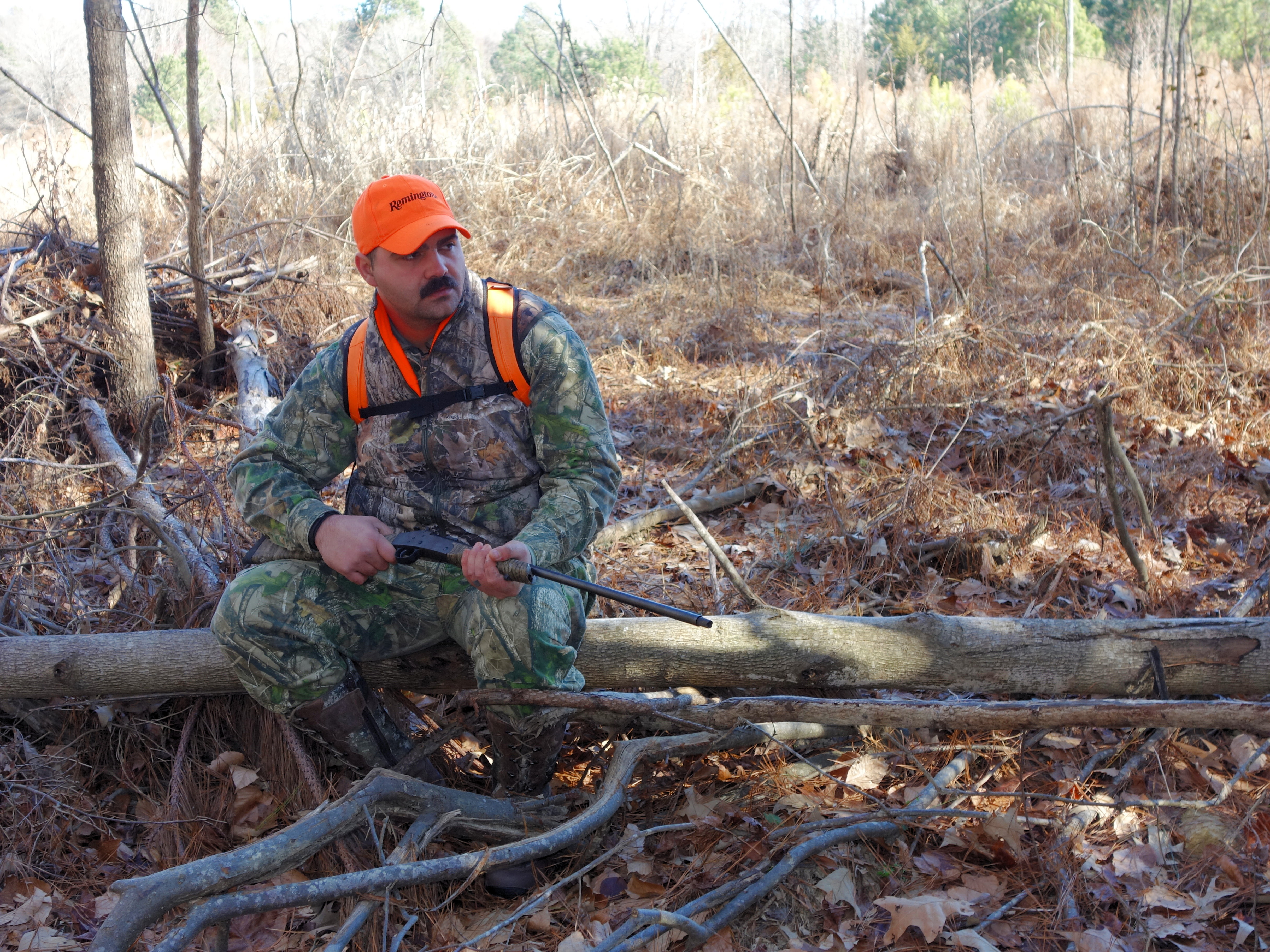
Sportsmen who hunt other game, like squirrels, also need to do their scouting, especially for hunting on public lands. At the end of squirrel season one year, I discovered a beautiful oak grove and couldn’t wait to hunt it next opening day. When opening day arrived, I drove out to my chosen spot long before daylight. Expecting to see a beautiful forest, I saw only a huge clear-cut.
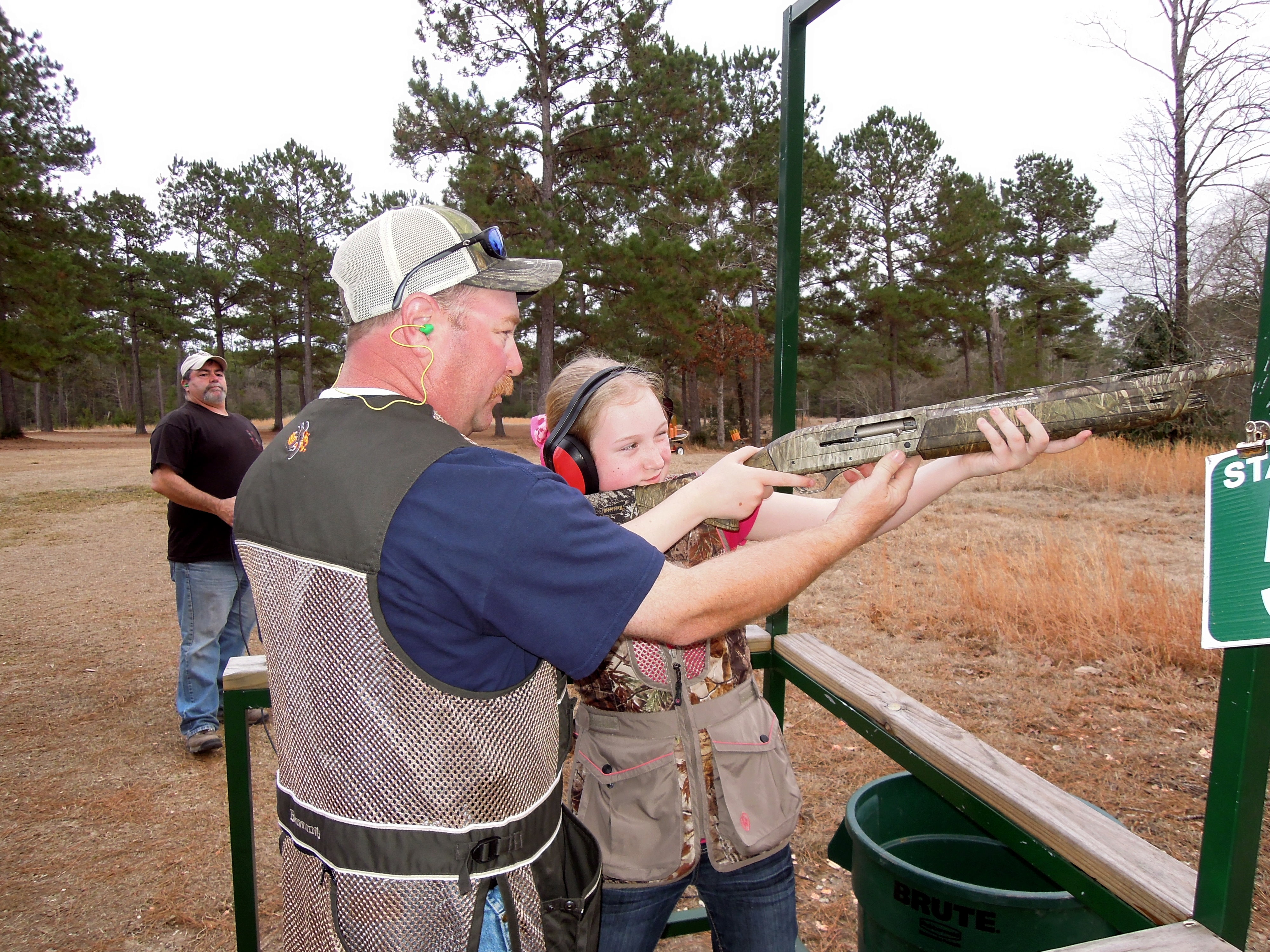
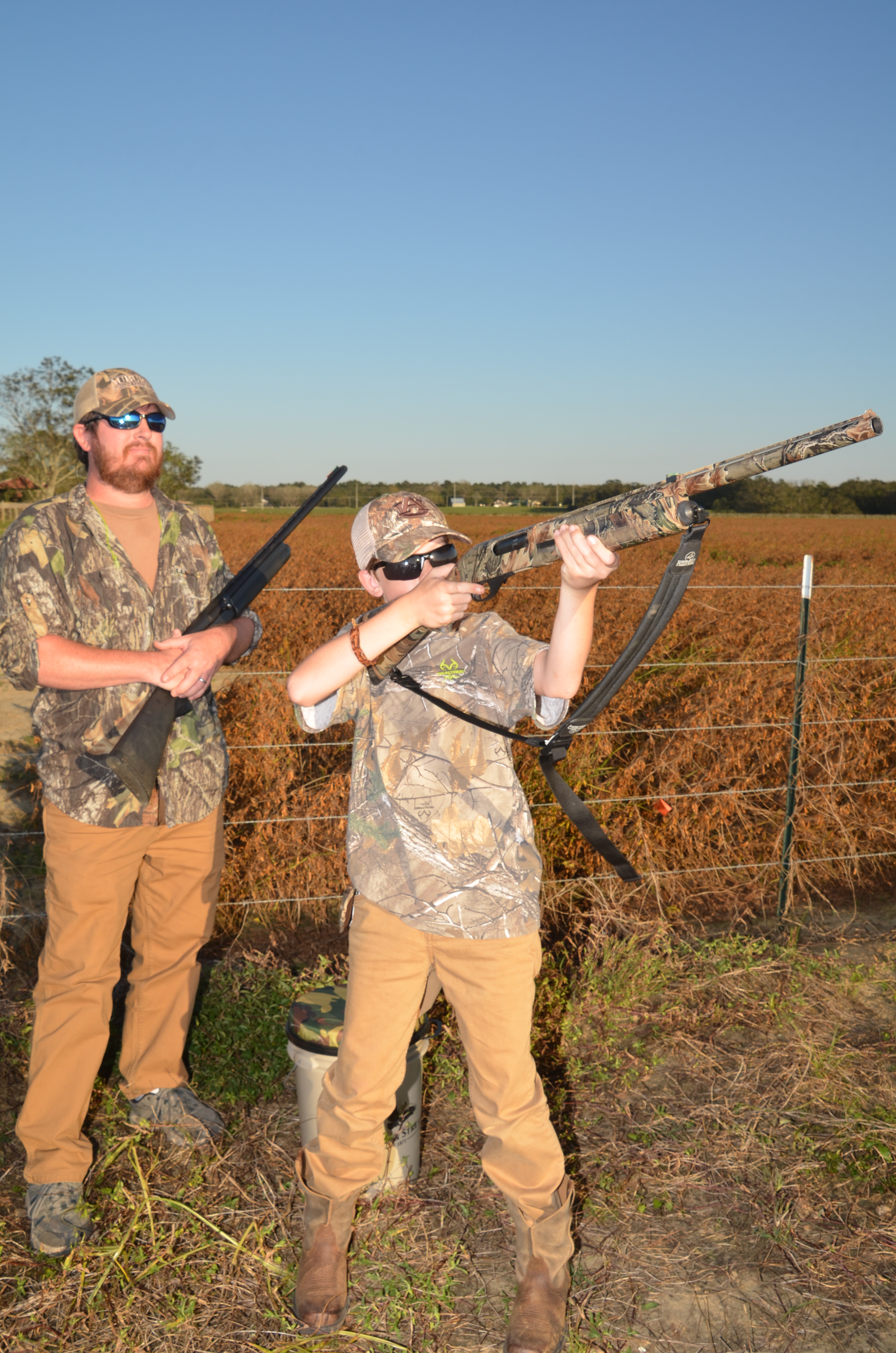
Squirrel and dove hunting makes an excellent way to introduce children to hunting. Youngsters quickly grow bored staying still and quiet in a deer stand. With young children, practice spotting squirrels in a park.
“I highly encourage people not to stick really young children in a deer blind and tell them to be quiet when it’s freezing cold,” advised Jackie Bushman, legendary outdoorsman and founder of Buckmasters (buckmasters.com). “Get them a Daisy Red Rider BB gun. Take them squirrel or dove hunting. Kids like a lot of activity and having fun. Go shooting and plinking. When they get older, take them deer hunting.”
Don’t expect youngsters to shoot like Davy Crockett on opening day if they never fired a gun. Teach youngsters everything about that gun, how to shoot it accurately and most of all safely. Take new shooters out to a range and practice shooting targets. See how a new shotgun patterns with various loads. Sight-in scoped rifles. Even if that rifle fired with tack-driving accuracy in January, it could be off after banging around for months.
Bow hunters get a jump on other deer hunters and can hunt many places off-limits to firearms shooters. Bowstrings fray. Cables break. Sight pins bend out of shape. Some archers replace their bowstrings, even their cables, before each hunting season.
Unlike rifle shooters, archers can practice practically anywhere quietly without spending a penny. Practice as if hunting. If planning to hunt from an elevated position, practice shooting from approximately the same height. Despite the heat, wear clothing typically used for hunting during the season.
Tired of shooting at round targets in the backyard? Go to a 3-D range and arrow life-size targets depicting deer, bears, turkeys and other animals! Many clubs hold tournaments throughout the year where archers could hone their skills and possibly win prizes.
Besides stands, guns and bows, all sportsmen should check other equipment, such as boots, calls, flashlights, backpacks, vehicles, tires, etc. Even if going for a short afternoon hunt, carry a cell phone and some basic survival supplies like water, emergency food, matches, a flashlight and a knife.
For more on Alabama hunting season dates, bag limits and other information, see www.outdooralabama.com/hunting/seasons-and-bag-limits.
An avid sportsman, Felsher is professional writer, photographer and radio show host who has written thousands of articles for many publications. He’s always looking for ideas or outdoors adventures that will make good stories. Contact Felsh at [email protected] or through Facebook. He also hosts an outdoors tips show for WAVH FM Talk 106.5 radio station in Mobile.