
A sweeping bipartisan housing affordability bill became law over the weekend without President Donald Trump’s signature.
The president chose neither to sign or veto the measure and allow it to become law out of protest of a voter identification bill stalling in the Senate.
“I will not sign the Housing Bill, which has been fully approved by Congress and sent to the White House, in PROTEST over the fact that the United States Senate is not capable of passing THE SAVE AMERICA ACT,” Trump posted on social media.
Nevertheless, the measure is now law and amounts to arguably the most meaningful action Congress has taken to address the issue of affordability this term.
U.S. Sen. Katie Britt, R-Ala. has been involved in crafting the measure as chair of the Banking Subcommittee on Housing, Transportation, and Community Development.
“We want to make sure that people have (access) to affordable housing, and being able to live their American dream in their communities all across our great state,” Britt said upon the Senate’s first passage of the bill in March.
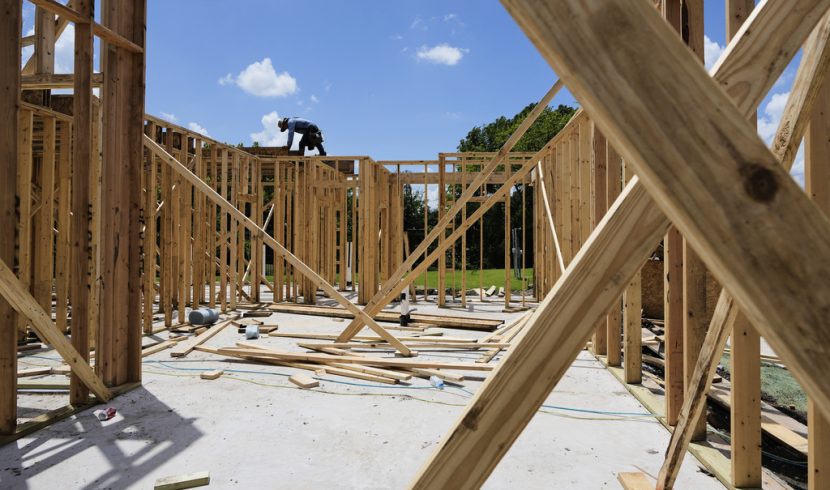
The 21st Century ROAD to Housing Act aims to increase supply and bring down home prices. The new law will streamline environmental reviews, speed up the construction process and provide funding for communities to encourage them to build more housing options.
Congress passed the measure with overwhelming support in both chambers. In the Senate, U.S. Sen. Tommy Tuberville, R-Ala., was one of just five senators, all Republicans, who voted against it. The House passed the law 358-32 with all of Alabama’s delegation supporting it except for U.S. Rep. Barry Moore, R-Enterprise.
Several Alabama groups celebrated the bill becoming law.
Jeremy Walker, CEO of the Alabama Association of Realtors, said the law is an “important first step” for helping to alleviate the housing affordability crisis.
“While this legislation represents meaningful progress, more work remains in Washington and here in Alabama to reduce unnecessary government regulations, increase housing supply, and allow the free market to help deliver more housing opportunities for individuals and families,” he said.
“This is a meaningful step forward in addressing the nation’s housing challenges and strengthening the foundation of the American Dream; safe, stable, and attainable housing,” the Alabama Apartment Association said in a statement. “By advancing policies that support increased housing supply and reduce barriers to development, this legislation will help communities across the country better meet the growing demand for quality housing.”
The final measure included several bills championed by Britt, including the Helping More Families Save Act, which expands participation in a federal program that helps move families off government assistance toward economic independence.
Trump’s rejection of the bipartisan housing legislation – including the cancelation of a planned Capitol bill signing ceremony – has exacerbated tensions with his own party in a midterm election year and cuts short their efforts to address a key voter concern about rising costs. It has allowed Democrats to criticize him on the issue of affordability before the midterms.
“Donald Trump couldn’t pick up the pen because he just isn’t interested in lowering costs for American families,” U.S. Sen. Elizabeth Warren, D-Mass., said after the bill became law.
But Britt said the president is right to push for passage of stricter voter ID requirements.
“Election integrity—and ensuring ONLY American citizens are voting in our elections—is imperative to our democracy and to free and fair elections,” she said in a statement upon the housing bill’s enactment.
“I will not stop fighting to pass this commonsense legislation for the American people. While I’m grateful Congress took a tremendous first step to addressing housing affordability, we must pass the SAVE America Act, and I Iook forward to working with our colleagues to get this done.”
The Associated Press contributed to this report.