
BIRMINGHAM, Ala. – Alabama teacher preparation programs are among the strongest in the nation when it comes to preparing future elementary teachers to teach children how to read, according to a new national review released this week.
Alabama has spent the past several years trying to change how reading is taught in early grades, and the high marks suggest that shift is reaching at least one key part of the system: the programs preparing future teachers..
The Alabama Literacy Act requires schools to use instruction grounded in the science of reading, including phonological awareness, phonics, fluency, vocabulary and comprehension. But those requirements depend in part on whether new teachers are learning those same skills before they ever enter a classroom.
The National Council on Teacher Quality graded 20 Alabama teacher prep programs and found that 18 earned an “A” or A-plus for preparing aspiring elementary teachers to teach reading.
That means 90% of Alabama’s graded programs earned top marks, compared with 53% of the more than 700 elementary teacher prep programs NCTQ reviewed nationally.
“Every child deserves a teacher who has been well prepared to teach reading, and every teacher deserves the opportunity to enter the classroom ready to help students succeed,” NCTQ President Heather Peske said in the release.
Five additional Alabama programs did not provide enough materials for the organization to complete a review.
NCTQ’s review looked at whether programs teach the core components of scientifically based reading instruction: phonemic awareness, phonics, fluency, vocabulary and comprehension.
Those skills are meant to help children understand how spoken sounds connect to letters and words, read accurately and fluently, and build the vocabulary and comprehension needed to understand what they read.
The organization also looked at whether programs teach practices NCTQ says are not aligned with reading research, including three-cueing, which is prohibited by law in Alabama’s public schools.
Three-cueing generally refers to prompting children to identify unfamiliar words by looking at pictures, context or sentence structure instead of sounding out the word.
An “A” means a program teaches all five core components and avoids practices NCTQ says run counter to reading research. An A-plus means the program exceeded NCTQ’s targets for instruction in the science of reading while also avoiding those practices.
Seven Alabama undergraduate programs earned an A-plus:
-Alabama A&M University
-Jacksonville State University
-Samford University
-University of Mobile
-University of Montevallo
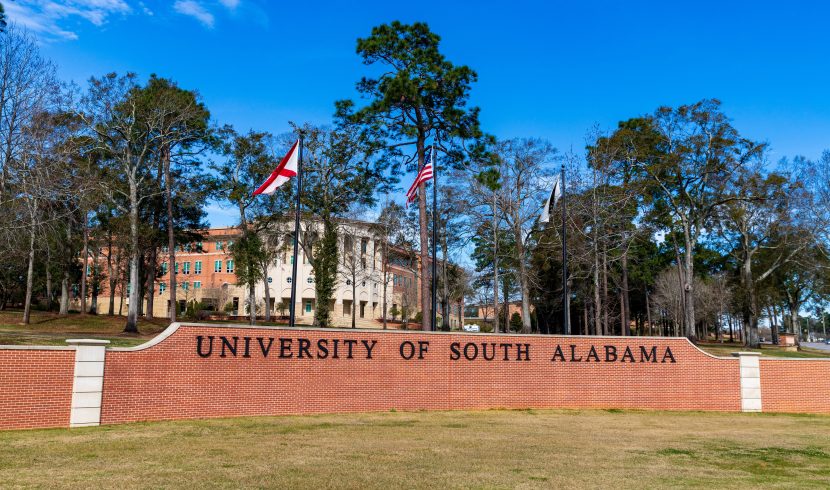
-University of South Alabama
-University of West Alabama
The University of South Alabama also earned an A-plus for its graduate program.
Another 10 Alabama programs earned an “A”:
-Alabama A&M University, graduate
-Alabama State University, undergraduate and graduate
-Jacksonville State University, graduate
-Miles College, undergraduate
-Samford University, graduate
-Troy University, undergraduate and graduate
-University of Alabama, undergraduate
-University of Alabama in Huntsville, undergraduate
The University of West Alabama was among the Alabama programs earning an A-plus. In a university announcement, Cheryl Lambert, dean of UWA’s College of Education, said the recognition reflects the program’s commitment to preparing future teachers “with the knowledge, practice, and confidence they need to teach reading effectively from day one.”
Not all Alabama programs received top marks.
Auburn University earned a “C” for its undergraduate program, with NCTQ citing gaps in phonemic awareness and vocabulary.
The University of Alabama earned a “D” for its graduate program, with NCTQ citing gaps in phonemic awareness, phonics and fluency.
Other programs were not graded. Five programs housed at four public universities did not provide enough information for NCTQ to review:
-Athens State University, undergraduate
-Auburn University at Montgomery, undergraduate and graduate
-University of Alabama at Birmingham, undergraduate
-University of North Alabama, undergraduate
The full breakdown of scores in each component is available at this link.
Even with Alabama’s strong showing, the report found room for improvement.
NCTQ found many Alabama programs spent limited time preparing future teachers to teach reading to English learners, struggling readers and students who speak language varieties other than General American English. Those gaps matter because those students are often among those most likely to need strong, explicit reading instruction.
Nationally, the share of programs earning an A more than doubled since 2023. But nearly half of reviewed programs still fell short on at least one core reading component, according to NCTQ.
Read more about Alabama’s early literacy efforts:
Alabama third-grade reading scores essentially unchanged
Congressional hearing highlights Alabama’s reading success