
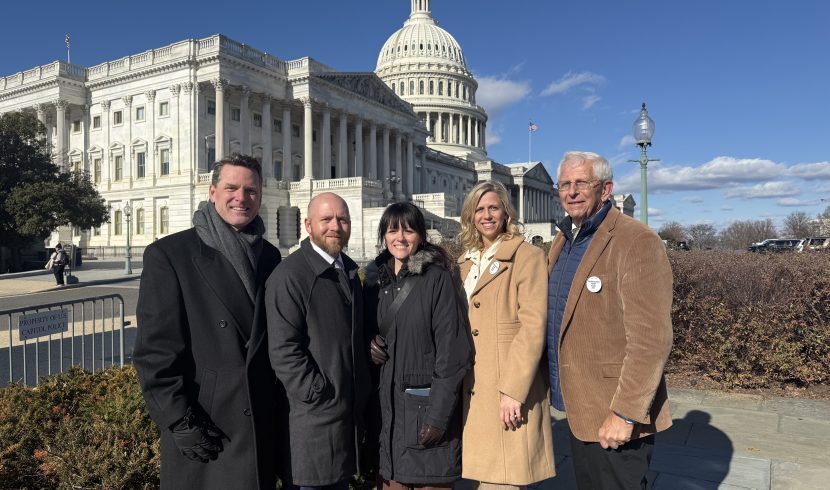
WASHINGTON — Second-generation pharmacist Anna Noojin’s dream job has turned into a nightmare because of pharmacy benefit managers, she said during a trip to advocate for reform in Washington.
The PBMs act as middlemen that manage drug benefits for insurers and reimburse the retailers for the cost of the drugs. Community pharmacists, like Noojin from Boaz, said those third-party groups’ practices have “devastating” consequences for their business.
Last year, Boaz Discount Drugs filled more than 40,000 prescriptions that were reimbursed less than what they paid to buy the drug, according to Noojin.
“We filled an additional 10,000 prescriptions where our profit was less than the candy bars we sell on the front counter, making us, according to PBMs, less valuable than a vending machine,” Noojin said during a press conference outside the U.S. Capitol recently.
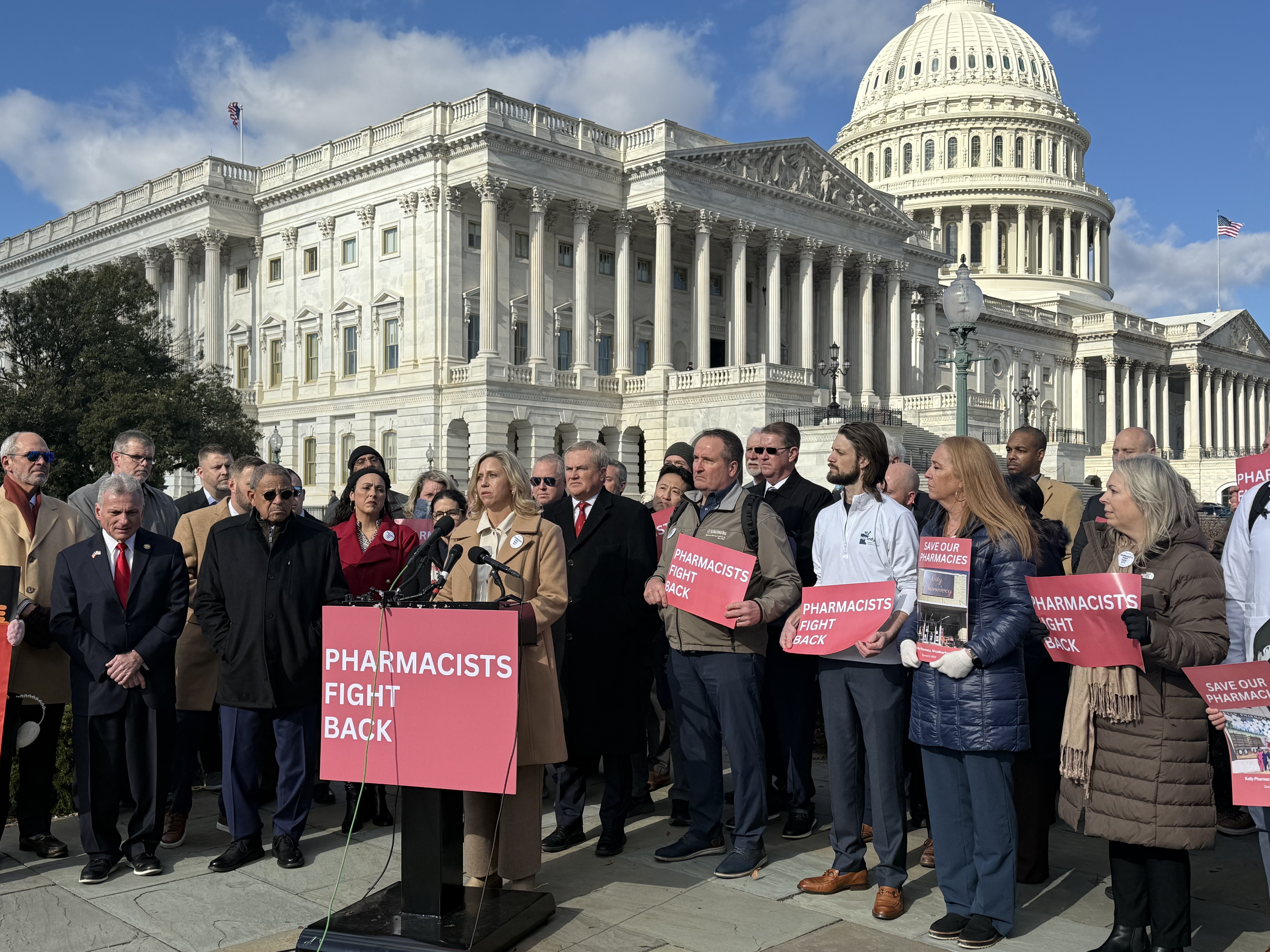
Noojin and a group of Alabama independent pharmacists recently visited Washington to advocate for bipartisan legislation, called the Pharmacists Fight Back Act.
“Pharmacies and our most vulnerable patients are struggling, and we need support with action now, or it’s going to be too late,” Noojin said.
The federal legislation would apply to Medicare and Medicaid patients and federal employees, establish a transparent pharmacy reimbursement model using market-based pricing and prohibit PBMs from limiting what pharmacies a patient can use to receive their prescriptions.
“It will enforce stricter penalties and more stringent oversight of PBMs, working with federal health plans,” said Rep. Jake Auchincloss, D-MA, a sponsor of the bill.
The Pharmaceutical Care Management Association is a trade group for PBMs. In a statement to Alabama Daily News, it said PBMs work to provide patients with a higher quality, lower cost pharmacy experience, which include supporting independent pharmacies in rural areas through programs to increase reimbursements on prescription drugs and expanding payments for clinical services.
“This bill would increase pharmacy costs and restrict the tools used to help employers drive competition and affordability for their employees at the pharmacy counter,” the statement said. “The short-sighted provisions will only benefit drugstores and do nothing to lower prescription drug costs for patients in Alabama.”
Noojin earlier this year advocated for a bill in the Alabama State House that became law. It says pharmacy benefit managers can’t reimburse independent pharmacies less than the amount paid by the Alabama Medicaid Agency. That currently includes the average cost of the drug and a $10.64 per-prescription dispensing fee.
The new state law doesn’t apply to chain pharmacies, Medicare recipients or those who buy their medications without insurance.
In State House debates, opponents of PBM bills said they did nothing to address the real issue, skyrocketing costs of medications set by manufacturers. Meanwhile, the state legislation would do something not done for most businesses: guarantee a profit.
Noojin’s dad, Dale Johnson, and the owner of Boaz Discount Drugs, has loved being a pharmacist for more than 50 years. But recently it’s been harder for him to find that joy as he’s seen his business decline over the years.
“We’re caught between wanting to provide the medicine for the patient and not being able to do it,” Johnson told Alabama Daily News.
The bills also require PBMs to give a portion of manufacturer rebates directly to patients and call for the rest of the rebate to be used to lower plan premiums.
Recounting his interactions with patients at the pharmacy counter, Johnson said it’s hard to tell someone he can no longer fill their prescription because the pharmacy is losing too much money on it.
“How do you tell your pastor I can’t fill your diabetic shots anymore, because I’m losing $40…and that times 12, it’s $480 a year, and you have to fill a lot of other prescriptions to make up for that,” Johnson told ADN.
While in DC, the Alabama pharmacists also met with the state’s congressional delegation to advocate for the legislation and push for reform.
Similar bills targeting PBMs were also introduced last Congress and received some bipartisan support. This year, Rep. Barry Moore, R-Enterprise, is the only Alabama U.S. House member who has so far signed on as a cosponsor of the legislation.
Alabama Daily News’ Mary Sell contributed to this report.